


Updated: July 30, 2026
Investing in Portuguese real estate has become even more attractive for foreign buyers when looking through the lens of rental yields and the investment potential of buying a house to rent it out.
The Portuguese government has announced in its state budget a series of tax incentives for individuals who rent out their homes for up to €2,300 per month, including a reduction in the IRS rate from 25 percent to 10 percent.
In this context, buying to rent has less risk and a greater gross profitability, standing at 6.9 percent for Quarter 3 of 2025.
Investing in Property to Put on the Rental Market
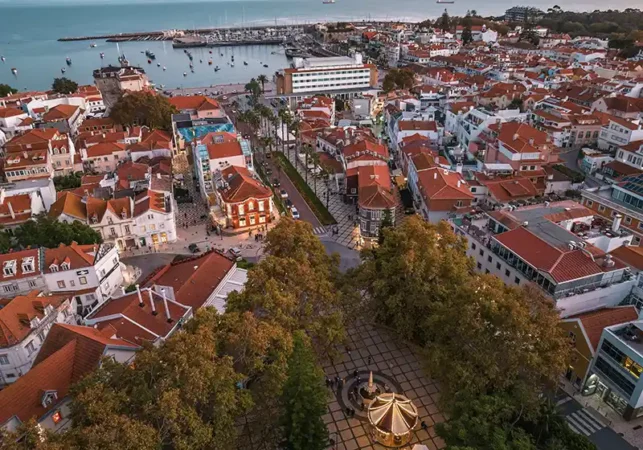 In the summer of 2025, purchasing a home in Portugal to put on the rental market yielded a gross return of 6.9 percent, a slight decrease of 0.3% compared to the same period in 2024 and 0.5 percent compared to the same period in 2023.
However, even though the business risk is lower in 2025 than it was in the last two years, investments in housing remain 0.4 percent higher than those recorded in 2020, where gross return was 6.5 percent.
Gross profitability means the return on the housing investment before taxes, fees, and other costs are deducted. House sales in Portugal have been rising at a faster rate than rents – prices rose by 7.6 percent, with rents only rising by 4.1 percent in September 2025 (according to data from Idealista).
When property prices rise faster than rents, rental yields fall. However, it is crucial to realize that while lower yields may seem less attractive, they usually come with lower investment risks.
Highest Rental Yields by City
Castelo Branco stands out as having the most attractive property market, with gross returns of 9 percent, although given the higher rental yields, there is greater business risk due to reasons such as greater market vitality, more irregular demand, and liquidity risks.
Following Castelo Branco, the following cities were pinpointed as top investment spots:

- Santarém: 7.1 percent
- Coimbra: 6.7 percent
- Leiria: 6.5 percent
- Viseu: 5.9 percent
- Évora: 5.8 percent
- Porto: 5.7 percent
- Braga: 5.6 percent
- Viana do Castelo: 5.5 percent
- Aveiro: 5.3 percent
- Setúbal: 5.3 percent
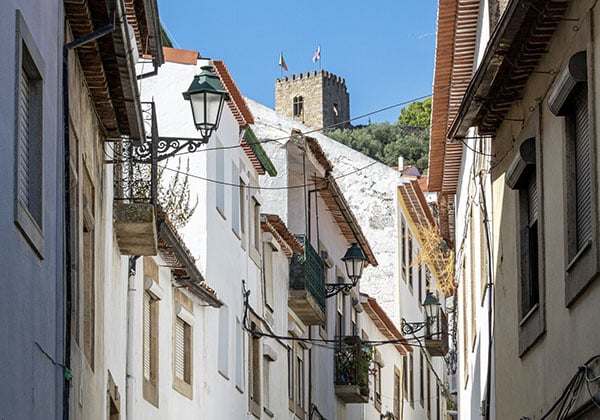
Lisbon stands at 4.5 percent, and Funchal, the capital of the autonomous island of Madeira, at 4.8 percent. However, it’s important to note that while rental yields were lower during Q3 of 2025, investment risks are lower if buying to let in cities with lower rental yields.
You can see that cities in Central Portugal are amongst the cities with the highest yields, highlighting the diverse nature of Portugal’s property market.
Santarem, Portugal, real estate, for examle offers very high rental yields. In the north, Porto remains a popular option, with a lower price entry for property, and demand continues to increase in Portugal’s second-largest city.
Portugal: Smart Choice for Investors
For investors seeking to make their mark on Portugal’s real estate market, this data continues top osition the country as a smart choice amongst investors. With smart planning and expert advice from locals who truly understand the market, you should be able to uncover a top investment property, where you can strike a strong investment return in the long term.
Looking to buy property as an investment. Discover how to get the ball rolling.


