

 Barbara Queiróz
 Updated: March 30, 2026
A Homeowners’ Association (HOA) is not an official ownership board in Portugal, with the closest equivalent in Portugal being a condomínio. This is when the ownership of properties with shared elements, such as buildings, amenities, or land, is established through a co-ownership system, similar to an HOA in the USA.
Many community developments in Portugal are situated by the coast and often provide a range of communal facilities, such as gardens, golf courses, swimming pools, tennis courts, or a gym, which are managed by the condominium (condomínio). Take the Algarve, for example, where you’ll come across several of these condominiums with shared facilities.
In this article, Homeowner’s Association Portugal, we arm you with everything you’ll need to know about condominiums in Portugal, including fees, complaints, and rules for 2026.
We’ll cover:
Homeowner’s Association Portugal: Key Takeaways
- HOA equivalent: There is no Homeowner’s Association in Porutgal, with the closest equivalent in Portugal being a condomínio.
- Responsibilities: The condomínio is responsible for upkeep of common spaces, maintenance, and condominium rules.
- Mandatory checks: Buildings need to undergo conservation or renovation works every eight years.
- Condominium fees: Fess are usually between €30 to €150, but range depending on the condominium.
- Community rules: Residents need to respect rules, such as with the communal spaces, noise restrictions, and payment of fees.
Do HOAs exist in Portugal?
Technically, Homeowners Associations (HOAs) do not exist in Portugal as they do in the USA. However, there is a common equivalent known as a condomínio (condominium). These are mandatory for shared residential buildings and focus on maintenance and shared area upkeep (such as pools, gardens, etc.). If you own a unit in a condominium, you own the individual unit, but the condominium is managed under specific laws and bylaws, and governed by a resident-elect board or an external company, which will manage the expenses.
How does condominium co‑ownership work in Portugal?
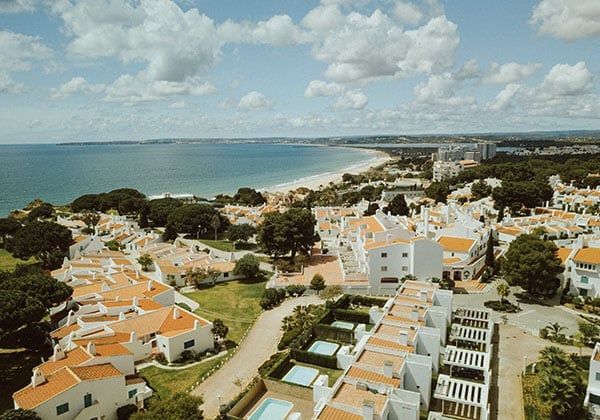 When a property in Portugal is co-owned, this means that the rights and responsibilities over it are shared and backed by a legal framework in the Portuguese Civil Code.
Condominium co-ownership is very common in Portugal, particularly in the Algarve region. For condominium co-ownership, this allows many different people to own units within a shared complex, which has shared common areas (such as a swimming pool or garden) and responsibilities with other co-owners.
While propriedade horizontal (horizontal property) is the most common form of condominium, you also find detached and semi-detached homes that can constitute a condominium.
How much does a homeowners association cost in Portugal?
There is no homeowners’ association in Portugal, but the equivalent is the condominium. Condominium (homeowners association Portugal) fees vary but usually cost around €30 to €150 per month. If you have a swimming pool, this is maintained and cleaned, as are the garden, public areas, elevator, and maintenance is also sorted under this monthly fee.
Rules for Using Community Swimming Pools in Portugal
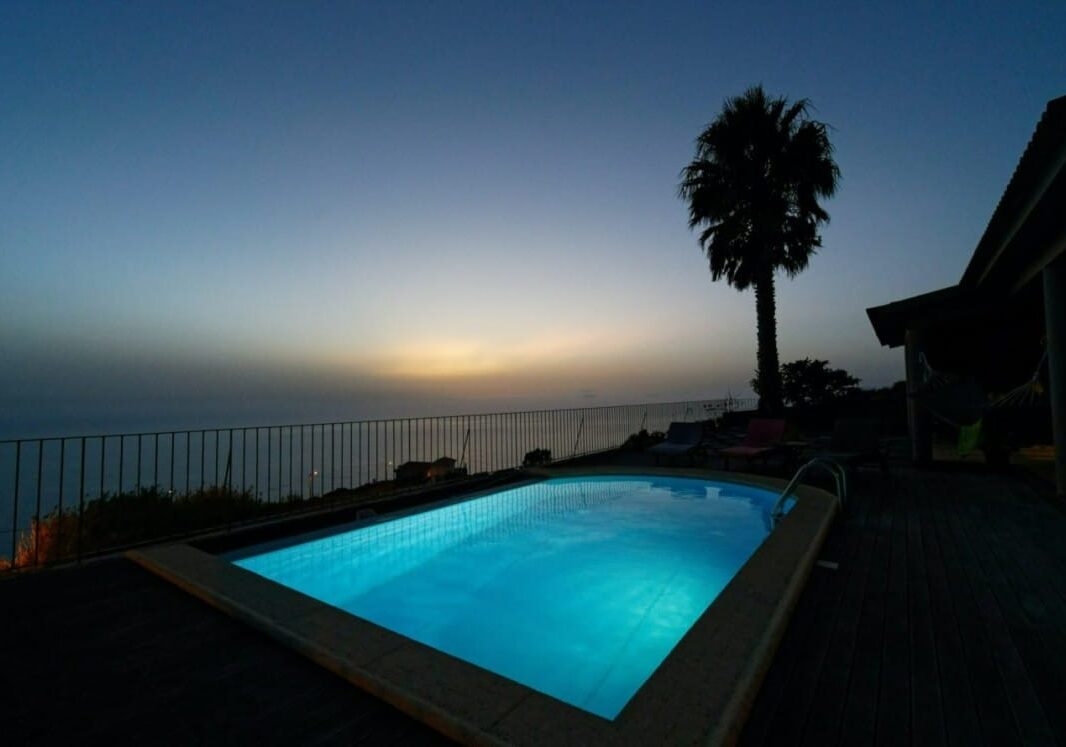 Many residential communities in Portugal offer community swimming pools as part of their amenities.
The building management ensures that the maintenance of the pool is taken care of.
However, there are community rules and guidelines that residents must adhere to for the safety and enjoyment of all. These may include designated swimming hours, the requirement of a pool pass, rules for children’s supervision, and regulations regarding proper conduct and hygiene.
If living in a condominium, make sure that you are aware of the rules in place.
What to Do if Your Neighbors Harass You
Unfortunately, living in close proximity to others can sometimes lead to conflicts or harassment. It is important to address the situation promptly and effectively in such cases. Homeowners in Portugal can seek guidance from the building manager when dealing with neighbor harassment. Maintaining open communication and seeking a peaceful resolution is crucial to maintaining a harmonious living environment.
Pet-friendly Portugal: Rules and Laws for Living with Animals
In Portugal, there are rules and laws in place to ensure responsible pet ownership. The condominium may impose restrictions on pets in the building’s common areas. Each individual apartment can have up to three dogs or four adult cats.
Note that the pet is the responsibility of the owner, and if their pet is disturbing neighbors and causing noise, you will face issues. You must have your pet registered in Portugal. For more details, check our guide about moving to Portugal with pets.
Building Renovation Works in Portugal: Rules and Regulations for Apartment Blocks
 Portuguese apartment buildings must undergo conservation works once every eight years or within an eight-year period.
- Municipal authorization is not required for works on apartment blocks that do not visually alter the building (changing the color) or affect the size of the property (structural changes). If approved by the condominium, building owners can proceed with these works.
- The shared responsibility for preserving the building lies with the condominium, and work can commence only after a condominium owners’ meeting where a simple majority (51 percent) decides. This is the quorum rules for general matters like budget approval or minor maintenance.
- In cases where the reserve fund lacks sufficient capital, homeowners are generally responsible for financing the necessary upkeep of common areas based on property values.
- If some apartment owners fail to pay their share, and the condominium as a whole lacks funds for necessary maintenance, it becomes necessary to communicate with those defaulting neighbors, emphasizing the importance of building preservation despite associated costs and challenges.
- All apartment owners should understand that regular maintenance work is not only legally required but also beneficial for the optimal upkeep of the condominium.
Property documentation in Portugal is essential. Make sure to keep all your property documents in a safe place that you can easily access if needed.
Looking to buy property in Portugal? Find out more in our complete guide

How can you watch TV from home while in Portugal?
 Moving to a new country doesn’t have to mean missing out on your favorite TV programs. Some ways to watch your home TV stations from Portugal are the following:
- Probably the best-known option is satellite TV, but it is also the most expensive. Note that some condominiums do not allow the installation of satellites, as this involves making changes to the property.
- Websites such as Sky, BBC, and CNN allow you to watch programs in some cases, although there may be restrictions if you are not in the country.
- Apps where you can watch TV content from a tablet or mobile device
- You can use a VPN Service to make your internet connection believe that you are browsing from a different country.
- You can often pay for a streaming service from a paid website to watch your favorite programs in Portugal.
How to Get Your Portuguese House Ready for Winter
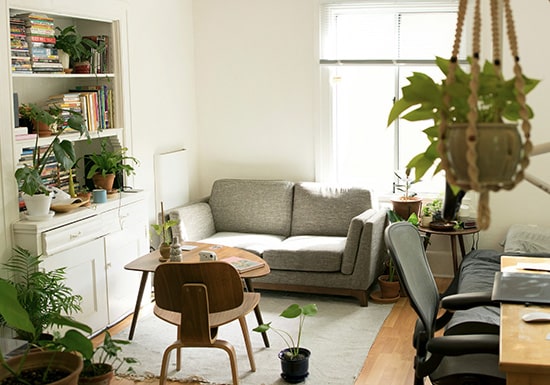 While Portugal is well known for its sublime climate, it can get chilly in the winter months. Here are some top tips to ensure that you are prepared.
- Check windows and insulation for any cracks or holes. Use a silicone product to seal them and prevent heat from escaping and cold air from entering.
- Weatherstrip doorways with rubber, silicone, or foam weatherstripping to seal cracks and enhance insulation.
- Choose the right heating system for your property and ensure regular servicing.
- Properly prepare and use radiators by bleeding them before winter and avoiding obstructions to allow for efficient heat circulation.
- Maintain a moderate and constant temperature in your home instead of frequent adjustments.
- Hang thick curtains to insulate windows, open them during the day to let sunlight in, and close them at night to retain heat.
- Place carpets or rugs on bare floors to prevent heat loss.
- If you have a fireplace, use it as an alternative heating source. Clean and inspect the hearth and chimney before use.
- Ventilate your home daily for a few minutes to remove stale air and bring in fresh air, even when the weather gets chilly.
- To reduce your energy consumption, you can always wear a jumper inside.
Implementing these strategies will help you improve insulation, reduce heat loss, and create a comfortable environment in your home during winter.
If you are interested in how much the total ownership of a property in Portugal can cost you, you may want to check our article: Total Cost of Ownership.
What Buyers Should Know About Homeowners Association Complaints in Portugal
There are condominium regulations (equivalent to the HOA) that each owner of a unit must respect. If you buy a unit in a condominium, you will have a copy of these regulations, and there will also be general rules and laws about construction and noise.
If you have a complaint, you should file the complaint with the condominium management if you are unable or feel reluctant to attempt to resolve the issue yourself.
Rising HOA fees and unexpected costs
Homeowners association Portugal HOA fees – known as condominium fees – are increasing, largely due to higher labor costs, while residents should take into consideration previous debts by the owner, and if there are any major reconstruction, repair, or maintenance costs that they may have to contribute to. There is, however, usually a Reserve fund (FCR) for major repairs or renovations.
Maintenance delays and building repairs
If your property or public areas require maintenance, bear in mind that there could be delays, for example, if there is a period of bad weather or workmen cannot get the required parts. However, this should not be too much of an issue, and for maintenance required in common areas, the condominium will take care of it – one of the benefits of buying a property in a condominium.
Conflicts between residents and HOA management
The relationship between residents and the condominium management administrator (síndico) is governed by the Portuguese civil code.
If you are having issues, you can call a meeting with the General Assembly of Owners, which needs at least 25 percent of the building’s ownership share. They can vote on solutions to the problem. If needed, they can go through the Julgados de Paz to resolve civil disputes. If it is still an issue, you can seek legal action if mediation fails.
Common condominium disputes in Portugal
Below, we outline the most common sources of disputes and provide information on each.
- Noise: Between 11 pm and 7 am, it is against the law to make unnecessarily loud noise under the law (DL.nº9/2007). This also does not mean that neighbors can make loud noises during the daytime and should respect fellow residents.
- Works in your home: To avoid complaints, post a warning in advance (aviso) at the entrance of the building to inform neighbors and residents in which apartment the works are to be carried out and when. This is limited to working days between 8 am and 8 pm. You should make it clear at what hours you expect more noise.
- Local Accommodation (AL): AL licenses for short-stay rentals allow you to rent your property out to tourists. The condominium may prevent local this, but they will need to show that it causes serious and continuous disturbances. They then inform the local mayor, who will decide if ALs will be banned.
- Elevators: All residents are responsible for the expenses of the elevators, including those who live on the ground floor.
Goldcrest: Who We Are and How We Can Help You
Are you considering buying a property in Portugal? Goldcrest is a buyer’s agent that is based in Lisbon, Porto, and the Algarve. We provide expert, impartial advice on real estate investments and how to buy property in Portugal. From scouting out the perfect property through to property acquisition, we have you covered throughout the process.
If you are looking to purchase property in Portugal, don’t hesitate to get in touch. Our team of skilled experts is available to solve all your real estate doubts, offering insightful expertise and strategic advice.
A crucial difference between a real estate developer and a buyer’s agent is that a buyer’s agent will work on behalf of the client, ensuring that you get the perfect investment and the best possible price. This is in contrast to traditional real estate agents, who work on behalf of the seller.
Frequently Asked Questions about Homeowner’s Associations in Portugal:
Are there HOAs (Homeowner’s associations) in Portugal?
In Portugal, the ownership of properties with shared elements, such as buildings, amenities, or land, is established through a co-ownership system, resembling the ownership of a condominium or HOA community in the United States, although there is no homeowner’s association (HOA) in Portugal. The closest equivalent is a condomínio in Portugal.
Do homeowners associations exist in Europe?
Yes, there are homeowner’s associations, community associations, and places where you have shared property values in Europe, depending on the country. For example, they do exist in the Netherlands, but they are not the same as in the USA. Generally, a homeowners’ association in the Netherlands is for apartment buildings or houses with shared roofs or parking to take care of common spaces.
What powers does a homeowners association have?
In the USA, the homeowner’s association – also referred to as a property owners association – will set HOA rules for the homeowners to ensure the proper upkeep of the area. In Portugal, you do not have an HOA, with the condomínio being responsible for shared space upkeep and for setting the universal rules.
Who has jurisdiction over homeowner associations?
In the USA, state law usually has jurisdiction over homeowner associations. In Portugal, although there is no HOA community or homeowner association, you will need to secure municipal authority to make structural or visual changes.
What is an HOA management company?
HOA management companies fulfil the role of handling financial obligations such as billing and collecting payments from residents. They are responsible for making sure that the HOA fee is paid. In Portugal, there is no HOA and the nearest equivalent is the condomínio.
What is the Homeowners Association Portugal cost?
There is no Homeowners Association in Portugal, and the equivalent is the condominium (condomínio). Condominium fees (equivalent HOA fees) vary in Portugal but usually cost around €30 to €150 per month. Unpaid fee enforcement can lead to legal action.

