Home » Living » Is Portugal Safe? Crime Rates, Safety Tips & Expat Considerations
Updated: August 6, 2026
Whether you want to sunbathe on stunning golden beaches, explore the big cities, beautiful countryside, or remote mountains, you may ask yourself, “Is Portugal safe?”
The short answer is – Yes. Portugal has a calm political scene, a laid-back lifestyle, low crime rates, and reliable public services, all of which create a secure environment for visitors, residents, expats, and travelers.
If you are worried about safety in Portugal, you’ve come to the right place. Goldcrest is a buyer’s agent with detailed insight into the Portugal real estate market. We compiled a detailed guide with the latest data, travel safety tips, emergency contacts, and more. Here’s all you need to know about what makes Portugal one of the safest countries in the world.
Portugal consistently ranks in the top 10 safest countries in the world, creating a reliable and welcoming destination for expats, digital nomads, retirees, and families with children.
Rural areas and smaller towns are the safest places in Portugal. Major cities are also secure, but require basic caution against pickpockets.
While Portugal's major cities like Lisbon and Porto have higher rates of petty crime due to tourism, they are generally considered secure for walking even at night.
Is Portugal safe in 2026?
Yes, Portugal is safe in 2026. It ranks 7th out of 163 countries on the 2026 Global Peace Index. Portugal also holds the lowest-risk “Level 1: Exercise Normal Precautions” from the US State Department and no serious warning updates from the UK FCDO Advisory.
Violent crime is rare, while the main risks for visitors and residents are petty and opportunistic crime in major cities, crowded tourist areas, popular beaches, and public transport.
That being said, Portugal ranks among Europe’s safest countries. Overall, both major cities – such as Lisbon and Porto – are relatively safe, including the countryside. You can take normal precautions when traveling or living in Portugal.
According to the local authorities, Portugal’s national terrorism alert is a level 3 out of 5 (significant), although there have been no recent terror attacks. The country’s stable economy, effective local laws, and welcoming locals contribute to its high Portugal safety ranking.
Emergency contacts
Portugal’s National Emergency Number: 112
US Embassy Lisbon: +351-21-094-2000 or +351-21-727-3300
Portugal Safety at a Glance
Wondering how safe is Portugal? In 2026, Portugal remains one of the safest countries in the world. Pickpocketing, theft of electronics, backpacks, luggage, and car break-ins can occur, but the rates of violent crime are relatively low.
You can take normal security precautions in Portugal, mainly in major cities such as Lisbon, Porto, and Faro. Here is what the numbers say based on the latest global peace indexes and authorities.
Safety indicator
Rating
Share
Global Peace Index (GPI) 2026
7th safest country in the world
Institute for Economics & Peace
Numbeo Safety Index 2026
40/148(25th safest in Europe)
Numbeo
US State Dept Advisory
Level 1: Exercise Normal Precautions (lowest tier)
travel.state.gov
UK FCDO Advisory
No travel warnings
gov.uk
Terrorism Alert Level
Significant (3 of 5): no recent attacks
Portuguese authorities
Global Peace Index 2026
Portugal ranks 7th in the 2026 Global Peace Index (GPI), which is very impressive considering how small the country actually is. With a GPI score of 1.427, Portugal outranks many secure destinations, mainly Singapore (8th), Japan (10th), and Canada (13th).
When it comes to other European countries, Portugal’s GPI score definitely stands out, especially when compared to Finland (9th), Spain (27), and Germany (28th).
World Population Review 2026
In the 2026 World Population Review, Portugal ranks among the safest countries in the world. This ranking pulls together different data from various sources, such as the Global Terrorism Index, Global Peace Index, and the Safest Countries Index, and Risk Level, placing Portugal in a top-tier bracket.
Numbeo Safety Index by Country 2026
Over to the 2026 Numbeo Safety Index by Country, Portugal ranks 40 out of 148 countries with an overall safety index score of 66.7. It is in the “green”, meaning it is a safe country to travel or live in.
Compared to other European countries, the same index puts Portugal in the 25th position out of 43 countries evaluated with a crime index of 33.3, which is relatively low.
What makes Portugal a safe country?
Here are the top reasons that make Portugal a safe country:
Political stability since 1974 — Portugal ended its 48-year dictatorship with the Carnation Revolution on April 25, 1974. Since then, the country has become a liberal democracy with free elections, freedom of the press, the right to healthcare, and education.
Strict gun laws — Portugal has one of the strictest gun laws in Europe. To own firearms, citizens need a license, pass background checks, undergo serious medical and psychological testing, among other requirements.
Strong social cohesion — The Portuguese culture leans more toward the local community and family life. People often have good relations with their neighbors, and the locals are relatively calm and welcoming.
Reliable public services — The emergency response system is reliable and quick to respond, public and private healthcare is affordable and high-quality, and the public transport is functional.
Low civil unrest — Major crises, such as large-scale violence, destructive public protests, widespread arson, or civil unrest, are not part of daily life.
Is Portugal safe for American tourists?
Yes, Portugal is quite a safe country for American travelers. The US Travel Advisory ranks Portugal as a Level 1 (Exercise normal precautions) destination. US citizens can travel to Portugal without a visa and exercise basic precautions.
American tourists should stay vigilant against pickpocketing, bag snatching, distraction scams, and phone theft, mainly on public transport, in major cities, crowded beaches, and popular tourist areas.
So, how safe is Portugal for American tourists? Portugal is a low-risk European country according to the CDC (Centers for Disease Control and Prevention). There is no need for special routine entry vaccines other than the standard travel recommendations.
Portugal Safety Compared to Other Countries
Safety metric
Portugal
United Kingdom
United States
2026 Global Peace Index (GPI)
7th with a GPI score 1.427
39th with a GPI score 1.73
134th with a GPI score 2.535
2026 Numbeo Safety Index
40th
89th
93th
US Travel Advisory
Level 1 (Exercise normal precautions)
Level 2 (Exercise increased caution)
N/A
Common Portugal Safety Considerations
So, is Portugal safe to visit? Although Portugal’s crime rate is low, visitors should exercise normal safety precautions, especially in popular tourist destinations. Here are the different types of crime and where to be extra careful.
Petty crime
Pickpocketing and bag snatching are typical types of petty crime. There is a moderate to high level of risk for tourists in crowded areas, such as Lisbon (especially on Tram 28 and in Baixa), Porto, and the beaches of the Algarve. Although it is a relatively peaceful country, you should exercise normal safety precautions.
Opportunistic theft from rental cars is also a risk. For example, thieves target vehicles with rental car stickers when they can see valuables, like bags, electronics, or coats.
Tourist scams
Exercise caution when you spend time at major tourist areas, like beaches, train stations, shopping centres, and historical monuments. While traveling in Portugal, there’s a small but real chance of being tricked or overcharged, usually through sneaky or distracting tactics. For example, someone might take your attention when you draw money from an ATM.
A taxi driver may offer to provide services without a meter and make you pay more. Strangers may approach you offering rides, tours, or other services that aren’t legitimate. For example, they may offer to take you to shopping centers for cheaper, but end up charging you more.
Urban areas tend to have more taxi drivers who don’t abide by local laws, mainly at the airport. Your tour operator can provide adequate travel advice on how to spot these scammers.
Violent crime
So, how dangerous is Portugal? Overall, the country has a low risk of violent crime, rarely involving tourists. Most issues are about petty theft instead of serious offenses.
In recent years, Portugal crime rate statistics have shown a steady decrease, helping the country maintain a secure and welcoming environment for both visitors and residents. Local authorities also enforce strict gun laws, which contribute to overall public security.
When compared to the average crime rate in the European Union and other countries like the United States and the UK, Portugal remains one of the most reliable destinations to travel or live in.
Terrorism risk
Portugal’s terrorism risk is low, similar to Western Europe. Local authorities advise visitors to remain vigilant in public places and monitor local news, as is standard guidance for maintaining personal security anywhere in the world.
Portugal’s national terrorism alert is ‘significant’ (level 3 out of 5), but there have been no recent terrorist attacks in the country.
Protests and demonstrations
Public protests and demonstrations in Portugal are moderately common, especially in major cities like Lisbon and Porto. Popular demonstrations are often organized due to economic or labor issues, such as the housing crisis, wages, labor reforms, and teacher strikes.
However, public demonstrations are usually very peaceful. Several factors can affect the frequency and risk. Overall, tourists are rarely targeted, but advised to keep up with the local news and avoid large crowds.
Natural risks
The main natural risks in Portugal are wildfires, ocean conditions, cliff erosion, and occasional severe weather warnings. Wildfires are more common from April to October, particularly in dry forests. So, travelers should check local advisories and adjust their travel plans.
The country has a reliable public alert system that notifies residents and visitors about natural disasters, extreme heat, or high fire danger. Along the coast, strong currents and rip tides can occur year-round, making it important to follow beach warning flags and lifeguard instructions to avoid serious injury.
In areas like the Algarve, cliff erosion and falling rocks are ongoing concerns. Visitors should avoid walking too close to unstable edges and pay attention to posted safety signs. By staying informed and following local guidance, travelers can safely enjoy Portugal’s diverse natural landscapes.
So, is Portugal a safe country? Portugal is a very safe place to visit, whether you are staying for a short term or a long term. In the 2025 Global Peace Index, Portugal ranks as the seventh safest country in the world and the fifth safest country in Europe, trailing only Iceland, Ireland, New Zealand, Austria, Switzerland, and Singapore.
Portugal is generally very safe for women, including solo travelers. However, it is best to implement a couple of habits that can make the experience even smoother.
Tips:
Stick to well-lit, busy streets at night, especially in larger cities like Lisbon and Porto.
Use licensed taxis or ride-hailing apps and avoid public transport after dark.
Trust your instincts and avoid overly persistent strangers or anyone who invades your personal space.
In bars, cover the drinks with a lid and keep them in sight.
Book accommodations in central neighborhoods to avoid isolated late-night walks.
Families traveling with children
Living in Portugal as an expat is a reality for many internationals, and the safety aspect is a key attraction. Portugal is extremely family-friendly, with welcoming locals and plenty of safe public spaces. Here are a couple of tips for families with children to feel safer.
Tips:
Beaches can have strong currents. Families should always follow the colored flag system and stay near lifeguard zones.
Historic areas have narrow streets that can get very crowded. It’s important to keep children nearby at all times.
In crowded tourist zones, such as Sintra or Belém, it is easy for children to get separated, which is why many parents use ID bracelets.
Rural areas often have fewer options for public transport, restaurants, shops, and medical centers nearby.
Retirees and older travelers
Portugal’s relaxed pace and excellent public health system make it a popular destination for retirees.
Tips:
Make sure to have health insurance that covers medical treatment abroad, and keep a list of nearby clinics or a local doctor in the area where you’re staying.
Many towns have hilly streets and uneven cobblestones. So, it is best to wear supportive shoes with a good grip.
In hot months, avoid walking during peak heat and stay hydrated. Portugal’s emergency services are reliable, but having these essentials prepared can work in your favor.
Pharmacies (farmácias) are everywhere and very helpful, but keep a list of medications in case of medical emergencies.
Use official taxi ranks or ride apps if mobility is an issue. Besides, taxi drivers often can carry the bags.
When driving or walking near roundabouts, be cautious, as traffic can be fast-moving.
Driving in Portugal
Driving is low-risk, but different from North America and Northern Europe in some ways.
Tips:
Highways are well-maintained, but many require electronic tolls. Consult with your rental company about how a toll device works.
Mountain and coastal roads can be narrow. So, drive slowly and expect tight turns.
In cities, avoid driving in historic centers, as they have steep hills, one-way streets, and limited parking.
Never leave valuables in the car, even in the trunk, especially at beaches, transport hubs, or viewpoints.
Roundabouts are common, and vehicles already inside the roundabout have priority.
LGBTQ+ travelers
Portugal is one of the most LGBTQ+ inclusive countries in the world, with legal protections and a strong Pride culture. Portugal LGBT expats can feel very welcome.
Tips:
Lisbon and Porto have active LGBTQ+ scenes with bars, events, and inclusive neighborhoods.
Same-sex couples can travel safely. But smaller rural areas can have some conservative opinions.
PDA (public displays of affection) is generally okay, but, as in any country, it depends on the environment.
Look for LGBTQ+-friendly accommodations.
Note: If there is an incident, you can visit the nearest police station. There are many tourist police stations (Esquadras de Turismo). Local authorities can help you file a police report for theft, lost documents, or any other emergencies. Just make sure to have emergency contact details saved before you visit Portugal.
Portugal Safety for Tourists
Is Portugal safe for tourists? Absolutely. The Global Peace Index Ranking puts Portugal in the top 10 safest countries in the world. The country is tourist-friendly, but practicing normal precautions will enhance your experience. The biggest safety measure is to protect your personal belongings.
Here are a couple of Portugal travel safety tips:
Be vigilant: Keep bags closed and in front of you in crowded places, especially on trains, trams, and festivals. When using public transportation, such as the famous Tram 28 in Lisbon, store your valuables in a hidden pouch or a cross-body bag with a zipper. Keep your phone and wallet in front pockets or use a money belt in busy tourist areas.
ATMs: Use ATMs inside banks during the day, and be aware of your surroundings. Protect your password when typing, and don’t accept help from strangers who claim the machine is “broken”.
Car safety: Never leave valuables inside a parked car, even if you hide them in the trunk. Rental cars are a common target, especially if you leave them near a beach or a scenic viewpoint.
Night safety:Portugal nightlife is vibrant, diverse, and, by European standards, remarkably safe. Major areas in Lisbon and Porto are generally safe to walk at night, but it’s avoid poorly lit areas and stick to busy streets. If you are not sure about the area, take an official taxi or a verified ride-share app.
Read our ultimate guide to buying property in Portugal
There are many safe places to travel to in Portugal. Below, we’ve listed some of the most notable locations in the country, alongside some safety tips for expats.
Lisbon – Big city safety tips
If you are moving to Lisbon or visiting, Portugal’s capital is one of the safest in Europe, as it offers the perfect balance between modernity and tradition.
So, is Lisbon safe? Yes, the capital is a very safe city for tourists and residents. According to the 2024 Annual Internal Security Report in Portugal, Lisbon’s crime rates have decreased by 7.6 percent over the past year alone.
The biggest issue for locals and foreigners in Lisbon is petty, opportunist theft. In Lisbon, you have to take basic precautions to stay safe, especially at night. Stay in well-lit areas, preferably in a large group, and keep your valuables secure.
Overall, Lisbon is one of the best cities in Portugal for expats, digital nomads, families with children, and retirees.
Porto – Tourist-friendly but crowded
As Portugal’s second-largest city, Porto is a popular tourist destination. The city has very similar crime rates to Lisbon: moderate risk of petty theft in crowded tourist destinations and rare cases of violent crime.
According to the 2024 Annual Internal Security Report, general crime rates in Porto decreased by 0.9 percent. However, the cases of pickpocketing increased by 30.6 percent, and theft on public roads rose by 5.1 percent.
Overall, Porto is a safe city for families and retirees, requiring basic precautions.
Algarve – Beach safety and nightlife considerations
The Algarve, known for its stunning beaches, resort towns, and expat communities, is overwhelmingly considered a very safe destination for tourists, retirees, and families with children. The region generally enjoys the same low violent crime rates as the rest of Portugal. For example, Tavira, which is in the eastern Algarve, is considered the safest place in Portugal.
However, since the Algarve region focuses mostly on tourism in Portugal, safety concerns shift slightly from the city centers to areas related to holiday properties, beaches, and nightlife. So, is Portugal safe at night? The answer is yes if you exercise normal precautions.
To stay safe in the Algarve region, watch out for the strong ocean currents and rip tides. Don’t ignore warning signs, especially flags on beaches. It is generally helpful to pick tourist attractions with a lifeguard on site.
During the hot, dry summer months from June to September, the risk of wildfires is high, especially in the interior. So, keep an eye on the local news for any Portuguese tourism industry concerns when it comes to outdoor activities.
Smaller towns and rural areas
Is it safe to go to Portugal in rural areas and smaller towns, considering crime rates, road safety, and environmental hazards? The answer is yes! In fact, the safest place in Portugal is any small town or rural area.
Near Lisbon, you have Óbidos, a stunning medieval village completely enclosed by ancient walls. If you want a truly rural escape, look to the interior. Monsaraz is a quiet and historic high-set village in the Alentejo.
For a unique, off-the-beaten-path experience, schist villages like Piódão offer a safe, remote look at traditional Portuguese life among the mountains. Last, but not least, are the vineyards of the Douro Valley. They provide a breathtaking and very safe scenic setting.
Is Portugal safe to travel to right now?
Yes, as of August 2026, Portugal remains safe to travel to. The US State Department rates the country as a Level 1, which is a low-risk country for travelers that requires exercising only basic precautions. The most common risk factor is petty theft and opportunistic crime.
The UK Travel Advisory also considers Portugal among the safest traveling destinations in Europe. However, Portugal has a high risk of wildfires, especially during the summer season from April to October.
Keep in mind that there is a heatwave in Europe in 2026. In May, Portugal recorded a new high temperature of 40.3 °C (104.54 °F) as other Western European countries grapple with the sweltering hot weather. The heatwave also affected Spain, Germany, and Switzerland, which experienced unusually hot weather.
How can Goldcrest help you?
If you’re feeling confident about Portugal’s safety and ready to invest here, working with a trusted local buyer’s agent can make your next steps even easier.
Goldcrest is a qualified buyer’s agent that can navigate the property market, avoid common pitfalls, verify the legal status of homes, negotiate fair prices, and connect you with reliable local professionals, from lawyers to contractors.
Whether you’re relocating, renting, or buying a holiday home, having an expert ensures a safe, informed, and stress-free experience. Contact us today to get personalized guidance and the latest market insight on Portuguese real estate.
Frequently Asked Questions about How Safe Portugal is
Is Portugal a safe country in 2026?
Yes, Portugal is a safe country to visit for travelers, expats, and residents, with a very low crime rate. These factors have contributed to a sense of security in the country, fostering a peaceful environment and allowing residents to enjoy Portugal’s quality of life.
Is Portugal safe from natural disasters?
Yes, Portugal is relatively safe from natural disasters. However, the country is susceptible to wildfires, localized flooding, and earthquakes. To stay safe in Portugal, we suggest you keep an eye on Portuguese news and any warnings from the local authorities, such as with ANEPC (the National Authority for Emergency and Civil Protection) and IPMA (Portugal’s Institute for the Sea and Atmosphere Forecasts)
Does Portugal have a high crime rate?
No. According to the Annual Internal Security Report (RASI) in Portugal, general crime fell by 4.6 percent in 2024. The rate of robbery in public spaces reduced by 0.3 percent, robberies at gas stations by 12.3 percent, and other robberies by 8.3 percent.
What is the safest city in Portugal?
Most cities in Portugal are relatively safe. Travelers often consider Funchal, the capital of Madeira, as the safest, but other cities also fit the criteria, like Braga, Coimbra, Aveiro, Porto, and Cascais.
Is it safe to travel alone in Portugal?
Portugal is generally a safe country to visit alone. It has a low crime rate, and violent crime is extremely rare. Just watch out for pickpocketing and bag-snatching. Store your personal belongings out of sight on the trams and metro in major cities like Lisbon and Porto.
Is it safe to drive in Portugal?
While Portugal is a safe country, driving in Portugal comes with a moderate risk compared to other Western European countries. It can be difficult to navigate historic centers in Lisbon and Porto because of narrow streets, steep hills, and heavy traffic. Rural roads are sometimes poorly maintained.
Is Portugal safe for solo female travellers?
Yes, Portugal is a very safe country for women travelers, but as with any country, incorporate basic precautions such as avoid walking alone in poorly lit areas and stick to busy streets.
Related Articles
2030 World Cup Comes to Portugal: What it Means for Property Buyers
We use cookies to ensure that we give you the best experience on our website. Our Terms and Conditions
Functional
Always active
The technical storage or access is strictly necessary for the legitimate purpose of enabling the use of a specific service explicitly requested by the subscriber or user, or for the sole purpose of carrying out the transmission of a communication over an electronic communications network.
Preferences
The technical storage or access is necessary for the legitimate purpose of storing preferences that are not requested by the subscriber or user.
Statistics
The technical storage or access that is used exclusively for statistical purposes.The technical storage or access that is used exclusively for anonymous statistical purposes. Without a subpoena, voluntary compliance on the part of your Internet Service Provider, or additional records from a third party, information stored or retrieved for this purpose alone cannot usually be used to identify you.
Marketing
The technical storage or access is required to create user profiles to send advertising, or to track the user on a website or across several websites for similar marketing purposes.



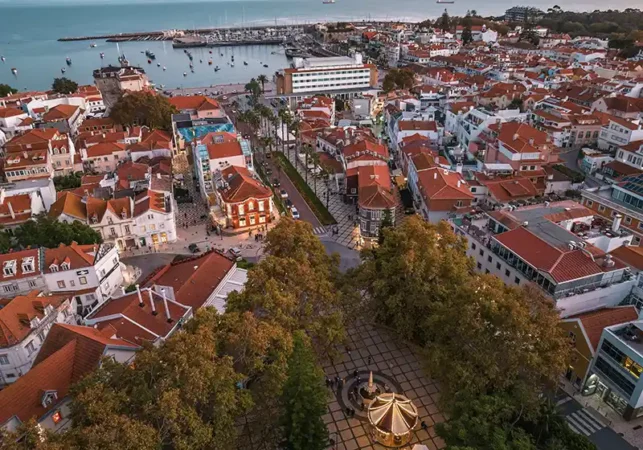 Yes, Portugal is quite a safe country for American travelers. The US Travel Advisory ranks Portugal as a Level 1 (Exercise normal precautions) destination. US citizens can travel to Portugal without a visa and exercise basic precautions.








 Families traveling with children