

 Barbara Queiróz
 Updated: March 12, 2026
From its golden beaches to the cobblestone streets and high-quality wineries, Portugal is a top destination for travelers, especially the LGBTQIA+ community (lesbian, gay, bisexual, transgender, or queer).
LGBTQ+ rights in Portugal are among the best in the world, particularly in terms of legal protections and social acceptance. Because of its progressive stance, Portugal is one of the safest and most welcoming countries for the LGBTQIA+ community.
In this Portugal LGBT expats guide, we’ll cover the rights, regulations, and pride events. We’ll also explore the best neighborhoods in Portugal for LGBT expats to explore.
Stick around to read about:
Overview of Portugal LGBT Rights
Category | Status | Since / Timeline |
Homosexuality (same-sex sexual activity) | Legal | 1982 |
Censorship | No censorship | - |
Gender transition | Legal, self-determined (18+) | 2018 |
Non-binary gender recognition | Not legally recognized | - |
Housing protections | Protected under anti-discrimination laws | 2004 |
Discrimination laws (employment) | Illegal (sexual orientation & gender identity) | 2003 |
Discrimination laws (all other areas) | Illegal | 2004 |
Military service | Open to all LGBTQ+ and transgender people | 1999 (LGB), 2023 (transgender) |
Same-sex marriage | Legal | 2010 |
Recognition of same-sex unions | Yes | 2001 |
Stepchild adoption by same-sex couples | Legal | 2016 |
Joint adoption by same-sex couples | Legal | 2016 |
Gender-affirming care | Legal | - |
Intersex infant surgery | Banned without medical necessity | 2018 |
Blood donation | Legal, no restrictions | 2021 |
Hate crime laws for sexual orientation | Yes | 2007 |
Hate crime laws for gender identity | Yes | 2013 |
Sexual orientation/gender identity for asylum recognition | Yes | 2008 |
Access to artificial insemination/IVF for lesbian couples | Yes | 2016 |
Conversion therapy | Banned on minors | 2024 |
Automatic parenthood for both spouses after birth | Yes | 2016 |
Commercial surrogacy | Illegal (regardless of sexuality or gender identity) | - |
How LGBT friendly is Portugal?
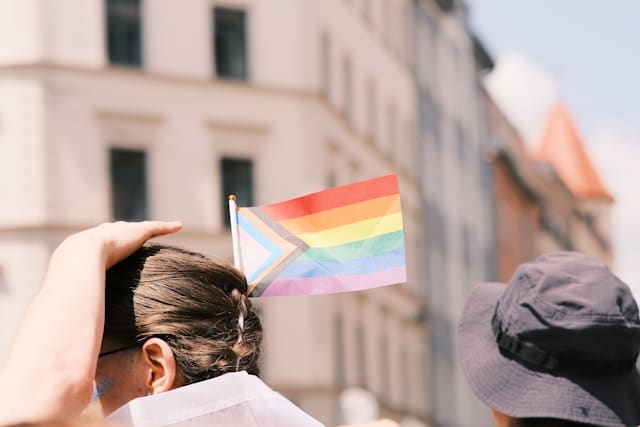 Over the past few years, Portugal has emerged as a top destination for LGBT expats and as a country that prioritizes the acceptance and safety of citizens and tourists despite their sexual orientation.
Today, Portugal is considered one of the most LGBT-friendly countries in the world. It is home to communities accepting of cultural, religious, and racial diversity, as well as heterosexual and cisgender youth and individuals part of diverse sexual minority populations, including gay and lesbian people, transgender people, and intersex children.
According to the Spartacus Gay Travel Index for 2025, Portugal shares the top spot for being one of the most LGBT friendly countries, alongside Malta, Spain, Canada, and Iceland.
Portugal also recently changed its gender identity law and laws protecting sexual orientation and gender, while introducing several anti-discrimination laws and hate crime laws.
Many famous celebrities, personalities, and activists live in Portugal, such as António Serzedelo, a Portuguese human rights and LGBT activist, and Isabel Moreira, a politician and advocate for LGBT rights and same sex relationships.
Your LGBT Rights and Legal Protections in Portugal
If you are a member of the LGBTQ+ community and want to move to Portugal, you may want to know exactly what rights protect you against discrimination.
Below, we will explore the LGBT rights in Portugal, including homosexual marriages, the law on gender identity, and adoption rights.
Gay marriage in Portugal
Wondering “Is gay marriage legal in Portugal”? The answer is yes. Portugal first recognized unions for same-sex couples in 1999, marking a progressive achievement for gay rights in Portugal. In 2010, the country legalized same-sex marriage, including gay and bisexual men and women. As such, same sex married couples have the same rights as heterosexual couples under Portuguese law. This includes marriage, visas, inheritance, adoption, and IVF laws.
Marriage visas for same-sex partners in Portugal
Marriage visas for heterosexual and same-sex couples in Portugal work the same. If your spouse has permanent residence in Portugal, you can apply for a two-year residence permit. You can renew this permit at the end of the two years, provided your relationship status has remained the same.
If your spouse has a temporary residence, you can join them under the family reunification visa, also known as the Portugal D6 Visa. In such a case, you must prove that you possess sufficient funds to support yourself during your stay in Portugal.
Same-sex marriage to a Portuguese citizen
If you marry a Portuguese citizen, you can apply for residency. After three years of marriage, you will be eligible to apply for Portuguese citizenship.
In other words, same sex marriage in Portugal works the same way as heterosexual marriage when applying for residency. For more details, check our guide on how to get residency in Portugal.
Gender identity according to Portugal LGBT law
Put into place in 2018, Act No. 38/201 [65] allows an adult person to change legal gender without any requirements. Minors aged 16 and 17 can do so with parental consent and a professional psychological opinion on the child’s sexual identity to ensure that their decision is sound and not being made due to outside pressure.
This law also prohibits both direct and indirect discrimination based on gender identity, gender expression, and any violation of gender minority students’ rights in general.
Family rights for LGBT couples in Portugal
Thanks to the legalization of same-sex marriage in 2010 and same-sex adoption in 2016, Portugal is gay friendly and welcoming country. The children of same-sex couples are recognized as dependents in the same way that children of heterosexual couples are.
As such, these children can apply for family reunification visas and are also included as dependents under Portugal’s Golden Visa program. This means they qualify to obtain a residence permit if they are under 18 or in full-time education.
Inheritance rights for Portugal’s LGBT community
In Portugal, there is no inheritance tax for spouses or close relatives, and this applies to both heterosexual and same-sex couples and their children. This means that sexual orientation has no effect on commercial or financial relationships between LGBT Portugal families.
Adoption rights for Portugal’s LGBT couples
LGBT families and heterosexual families have the same rights to adopt children. Portugal legalized adoption for same-sex couples in 2016, and it is also possible for same-sex partners to adopt their spouse’s children.
Portugal’s adoption process is the same for both heterosexual and same-sex couples, but is known to be quite bureaucratic and can take three to four years to complete.
IVF for same-sex couples in Portugal
In Portugal, same-sex couples can use IVF treatment just like straight couples. As such, LGBT person has the same rights to IVF as a cisgender or heterosexual woman.
Note: Surrogacy is not legal in Portugal unless under specific circumstances.
Blood donation rights
Gay or transgender people can donate blood in Portugal. Since 2021, there are no special restrictions based on sexual orientation or gender identity.
Discrimination protections and hate crimes
Compared to many European countries, Portugal is one of the most LGBTQ+ friendly, regardless of your gender identity, self-determination, or sex characteristics.
Portugal became the first country to ban discrimination based on sexual orientation in 2004.
With the progressive Penal Code in 2007, Portugal offers protection for:
- Same-sex relationships in cases of domestic violence or hate crimes
- The same rights for the age of consent, whether you are in a same-sex or opposite-sex relationship
- Sexual orientation is considered an aggravating factor in homicides and hate crimes
The LGBT Community in Portugal and Social Acceptance
Being gay in Portugal doesn’t pose any problems due to the wide social acceptance and welcoming Portuguese people.
In certain sectors of Portuguese society, particularly the more rural sectors, there is still some discrimination against the LGBT community. However, Portugal’s government has spent recent years actively working to protect the rights of LGBT residents. In Portugal, LGBT-friendly businesses are easy to find. These include hotels, bars, and cafes known for being welcoming to sexual minority youth. You can even find guides specializing in LGBT-friendly tours in Portugal.
Popular Portugal LGBT locations and landmarks include the neighborhoods of Bairro Alto and Príncipe Real, which are Lisbon’s gay-friendly tourist hotspots popular for their nightlife, including LGBT-friendly bars and clubs.
Resources for the LGBTQ+ community in Portugal
The Portuguese government offers social and legal resources, including the Comissão para a Cidadania e a Igualdade de Género (CIG), which is a government body responsible for promoting gender equality and fighting discrimination based on sexual orientation and gender identity.
LGBTQ+ expats in Portugal also have access to health and support services like CheckpointLX, which is a Lisbon-based sexual health center for the LGBT, and the Transsexual Portugal Support Network, which offers support and resources for transgender individuals.
There are also a number of online communities and resources available, such as the PortugalGay.pt website that features resources and directories for the LGBT community in Portugal, as well as several Portugal LGBT online forums and social media groups.
Portugal for sexual minority youths
Portugal offers a world-class education system and a number of international schools where expats can find a safe space for their children who are part of the LGBTQ+ community to learn in an environment created for positive and healthy development.
You will be able to find private and public schools offering inclusive school programs, school support groups promoting awareness-raising activities, and schools that implement mandatory teacher training in inclusive student and school ethics.
Portugal LGBT high school students and older students will also have access to schools and tertiary institutions with a student organization offering sexuality-related social support, as well as social and parental support to fight homophobic and transphobic bullying.
LGBTQ+ Life in Portugal
So, is Portugal gay-friendly in everyday life? The answer is a resounding yes. The rights of LGBTQ+ members in Portugal are protected, and no matter where you live, you can feel welcome. The country has made safety a top priority, offering people a vibrant community, lively events, and a culture that embraces diversity.
From accepting gay Portugal beaches and gay pride events to gay bars and even gay saunas, the lifestyle has embraced LGBTQ+ members and gay culture. Here are some of the most well-known gay events in Portugal to look forward to.
Pride in Lisbon and Porto
 Pride celebrations in Lisbon and Porto are unforgettable experiences that showcase the heart and soul of Portugal’s LGBTQ+ community.
Lisbon’s Arraial Lisboa Pride transforms the city into a colorful festival of love and acceptance, with parades, concerts, and late-night dancing in the streets.
Porto’s Pride celebration is just as energetic, mixing solidarity with celebration against the backdrop of one of the most picturesque cities in Western Europe.
These events aren’t just about parties but visibility, connection, and celebrating how far the community has come.
Queer Lisboa and other queer film festivals
For film lovers, Queer Lisboa is the place to be. This annual LGBTQ+ film festival in Lisbon brings together captivating films from around the world, offering a mix of thought-provoking features, eye-opening documentaries, and powerful short films.
It’s queer storytelling at its best and an opportunity to connect with artists, activists, and audiences who share a passion for representation. If you’re in Portugal during the festival, it’s an event you won’t want to miss.
Not to be outdone, Porto also offers the Queer Porto film festival, another unmissable queer cinematic experience that is internationally recognized and celebrated.
Top Gay Beaches and Events in Portugal
 There are various things to do and explore in Lisbon for gay travelers. The city’s beaches, including Praia da Conceição and Praia do Guincho, are popular with both tourists and locals alike.
Praia de Bela Vista, also known as, is Portugal’s most popular gay nude beach and one of Europe’s largest beaches. You can find it at the south end of Costa da Caparica, stretching for over 26 kilometers along the Atlantic coastline.
The gay pride parade in Lisbon, often called Arraial Lisboa Pride, is a huge event. The parade attracts countless participants and onlookers, celebrating the LGBTQ+ community.
Supportive LGBTQ+ Communities in Portugal
You can find different support groups and resources for LGBTQ+ people in Portugal through these organizations:
- ILGA Portugal: Offers legal guidance, mental health support, and advocates for LGBTQ+ rights across the country
- Rede Ex Aequo: Provides young people with an opportunity to meet like-minded individuals, share their stories, and boost their confidence
- AMPLOS: Supports families of LGBTQ+ people in Portugal, promotes understanding and acceptance
- Clube Safo: Focuses on support for the lesbian community in Portugal
- Opus Diversidades: Offers additional advocacy and resources for the LGBTQ+ community
- TransMissão: Supports Portugal transgender people and promotes visibility and rights
LGBTQI+ Friendly Neighborhoods 2026
Are you trying to decide where to live in Portugal but wondering: Is Portugal LGBT-friendly in every city and region?
While not every city in Portugal is as accustomed to LGBTQ+ culture yet, the larger cities like Lisbon and Porto are considered to be the most LGBT-friendly cities in Portugal, especially when compared to Portugal’s smaller, more rural areas. The Algarve region is also very friendly towards the LGBTQ+ community.
So, let’s look at some places in Portugal that are LGBT-friendly, that also happen to be some of the best regions in Portugal to live in for any expat.
Príncipe Real in Lisbon
Is Lisbon gay-friendly? Príncipe Real is one of the best neighborhoods in Lisbon for expats and a starting point for the capital city’s Pride parades. It is known as Lisbon’s most prominent gay neighborhood and has a thriving gay scene.
Located near the heart of Lisbon, this neighborhood contains the most famous gay bars in Lisbon. Unsurprisingly, it has a thriving nightlife, as well as a range of restaurants, a lovely park, and many traditional houses with stunning views over the Tagus River.
Bairro Alto in Lisbon
Bairro Alto is popular among the LGBT community in Lisbon. The vibrant Portugal nightlife and entertainment scene here tends to attract a younger crowd, and it has a good number of gay bars. Theneighborhood also has narrow streets that fill with partygoers looking to hit the bars on the weekends.
Arroios in Lisbon
Arroios is known for being very LGBT-friendly and is popular among younger members of the LGBTQ community. The area has a few LGBT-friendly cultural centers, including entertainment attractions like Casa Independente, a terrace with outdoor seating that serves cocktails and live music performances.
Cascais near Lisbon
Cascais is a popular destination among expats. It has several beautiful beaches and is also located near Lisbon, providing all the convenience of a capital city in addition to a calmer, more tranquil lifestyle. Cascais has a host of gay-friendly bars, fantastic restaurants, and a thriving art scene.
For more insight into Portugal LGBT friendly hotspots, you can explore our guide to the best gay areas in Lisbon.
Other LGBTQI+ friendly neighborhoods in Lisbon include Marvila, to the East of Lisbon, and Almada, which is on the other side of the Tagus River. Further south, Caparica and Trafaria, Setúbal, are also good options to consider.
Cedofeita in Porto
Porto, like Lisbon, is also exceptionally welcoming of LGBTQIA+ individuals and offers a diverse community where expats from all walks of life can fit in well and enjoy a relaxed and peaceful lifestyle.
Cedofeita is a standout neighborhood in Porto, known for its LGBT-friendly nightlife and a good mix of bars, cafes, and cultural events. Popular locations to visit include Café Lusitano, Conceiçao 35, Invictus, and Labyrinth. Bonfim and Campanhã are also two very welcoming neighborhoods to consider.
Faro and Albufeira in the Algarve
The coastal Algarve region is also an excellent destination for the LGBTQIA+ community, with Faro and Albufeira among the popular destinations.
Faro, the Algarve’s capital city, has a vibrant gay scene with hotspots like the Prestige Dance Club and beautiful beaches and parks to enjoy during the day. Similarly, Albufeira has an inclusive nightlife scene featuring the Connection Gay Bar and friendly residents roaming among the beautiful old town and beaches.
Interested in Lisbon real estate? Check our ultimate guide by local experts

The Portugal Golden Visa for Gay Couples
With a tourist visa or visa-free entry, you can stay in Portugal for up to 90 days. If you want to stay longer, you’ll need a residence visa. One popular option is the Portugal Golden Visa.
If you are an investor who wants to get a residence in Portugal, you can make a qualifying investment. After five years of living in the country, you can qualify for permanent residency or Portuguese citizenship.
The Portuguese Golden Visa is especially appealing because of its family benefits. As the primary applicant, you can include your spouse and children in the program. They, too, can get residence and, eventually, citizenship.
Whether you are in a hetero or gay marriage in Portugal, you have the same rights and privileges under the Golden Visa.
There are several ways to qualify, including:
- Investing €500,000 in a Portuguese fund
- Creating 8 jobs in a low-density region
- Creating 10 jobs anywhere in Portugal
- Donating €250,000 to support arts, culture, or national heritage
- Making a €500,000 capital transfer to a company and creating 5 jobs
- Investing €500,000 in scientific or technological research
Ready to buy property and make your move to Portugal? Check out our complete guide
Why choose to live in Portugal as a LGBTQIA+ Expat?
As we have seen, Portugal’s welcoming and inclusive environment, particularly in larger cities like Lisbon and Porto, is a major draw for LGBTQIA+ expats. The country’s legal protections and rights, high level of societal acceptance, and vibrant LGBTQ+ communities make it a comfortable and desirable place to build a life.
When relocating to Portugal, you will likely wonder what real estate prices are like. Portugal’s real estate market is thriving, and property prices have steadily increased. In popular neighborhoods of Lisbon, property prices tend to be more expensive.
Many members of the LGBT community choose to purchase property in Portugal to experience the coastal lifestyle, high quality of life, and excellent safety standards. You can learn more about the costs of purchasing real estate in our article on Portugal real estate.
How can Goldcrest help you?
Want to move to Portugal, but don’t know where to invest or which area suits you best? If you are interested in buying property in Portugal, you are in the right place.
Goldcrest is a buyer’s agent with years of experience in the Portuguese property market. Our team offers market analysis, negotiations, and property search services. Whether you like Lisbon, Porto, Algarve, or any other location – we have you covered.
What are our services?
A buyer’s agent like Goldcrest is specifically dedicated to you – the buyer. We can find the latest Portugal house prices and connect you with local experts, like contractors, tax advisors, or real estate lawyers. We assist with both property purchases and long-term rentals.
The Goldcrest team offers:
- Property research
- Market reports
- Price negotiation
- Property management for long-term rentals
Contact us today to ensure a smart investment.
Frequently Asked Questions about Portugal LGBT Expats
Is Portugal safe for LGBT people?
Yes, Portugal is safe for LGBT expats with low crime rates and a high quality of life. In fact, Portugal ranks among the top 10 safest countries across the world based on the Global Peace Index from 2025, ranking in the seventh position.
Is Portugal friendly to LGBTQ?
Yes, Portugal is gay friendly and one of the most welcoming LGBTQ+ countries in the world. The country legalized gay couples in 2001, same sex marriages in 2010, and adoption rights for same sex couples in 2016.
What are the best LGBT-friendly cities in Portugal?
Lisbon, Porto, and Faro in the Algarve region are among the best LGBT-friendly cities in Portugal, thanks to their safety, Pride events, and festivals. Many expats consider Lisbon and Porto among the best places to live in Portugal for the LGBTQ+ community.
Does Portugal have gender affirming care?
Yes, gender‑affirming care in Portugal is legal and widely available since 1995.
How to celebrate Pride in Portugal as a visitor?
You can visit Lisbon for the EuroPride parade from Avenida da Liberdade to Praça do Comércio in June, with a festival village, music, and events across the city. In Porto, you can enjoy Porto Pride in September with marches and cultural celebrations.
Is Portugal a good place to retire for LGBT people?
Portugal can be a great place for LGBT people to retire and is rated as one of the best countries for Americans to retire in 2025. Portugal offers tax benefits to retirees, and many locations in the country are extremely popular among expat retirees.
Is gay marriage legal in Portugal?
Yes, gay marriage has been legal in Portugal since 2010, making it one of the first countries to grant marriage equality.
Can I get a visa in Portugal through same-sex marriage?
Yes, same-sex marriages are recognized for visa and residency purposes, allowing you to apply for a family reunification visa if your spouse is a Portuguese citizen or legal resident.
Can I get Portuguese citizenship if I'm in a same-sex marriage with a Portuguese citizen?
Yes, being married to a Portuguese citizen can qualify you to apply for Portuguese citizenship, regardless of the gender of your spouse. Same-sex couples have the same rights as heterosexual couples in Portugal. To apply for citizenship, you will first need to hold legal residency in Portugal for three years.
What are Portugal's policies on gender identity?
Portugal allows legal gender changes on legal documents like birth certificates and identity documents and has strong protections for transgender rights, including access to healthcare and equal treatment.
Which is the most LGBT positive or "gayest country" in the world 2026?
In 2026, some of the most gay-friendly countries are considered to be Malta, Iceland, Portugal, and Norway, consistently ranking high for their LGBTQ+ rights and protections.

