


 Barbara Queiróz
 Updated: July 3, 2025
It’s only natural to make safety a top concern when thinking about visiting or moving to a new country, Portugal included. We already know the country offers stunning natural beauty, an affordable cost of living, and a relaxed, high quality of life – but how safe is Portugal?
Perhaps not known to many is the fact that Portugal is the seventh safest country in the world, according to the 2024 Global Peace Index. If you are visiting Portugal, one of the best tourist destinations in Europe, or are considering the big move to live in the country, rest assured that it is one of the safest countries in the world.
In this article, we’ll answer some important questions, such as: Exactly how safe is Portugal? Is Portugal safe to travel or live in? To answer this, we’ll delve into the country’s stable socio-economic climate, low crime rates, and some general safety tips to keep in mind.
Safety in Portugal
 Portugal has shown the world how to attract tourists, expats, and investors due to its high quality of life, affordability, safety, and attractive tax system, creating continued interest from expats worldwide.
With beautiful landscapes, spectacular beaches, stunning views of the Atlantic Ocean, and some of the friendliest people in the world, Portugal has many selling points that make it attractive to lifestyle buyers and investors.
Below, we have provided some key insights into why Portugal is an exceptionally safe place to reside.
Measuring the Safety in Portugal
The 2024 Global Peace Index (GPI) is an excellent place to start when measuring a safe and peaceful country. The study was created by the Institute for Economics and Peace, a non-governmental organization that produces this study annually. From the study, Portugal was ranked as the seventh safest country in the world.
The GPI covers 99.7 percent of the world’s population, creating an almost conclusive set of data relating to peace levels on a global scale. 23 qualitative and quantitative indicators are used from highly respected sources to measure the state of peace across three domains:
- The level of societal safety and security
- The extent of ongoing domestic and international conflict
- The degree of militarization
Is Portugal a safe country?
Portugal is known to be an extremely safe and peaceful country – one of the safest on the globe.
So, why is Portugal so safe? The country’s high level of safety is due to its’ stable socio-economic environment and effective governance. Because of this, tourists and expats enjoy a sense of peace and security in their day-to-day lives.
Crime rates are low, although pickpocketing, bag-snatching, and theft from holiday properties can be a problem in major tourist areas. Portugal’s national terrorism alert is ‘significant’ (level 3 out of 5), but there have been no attacks in recent years. Despite this, always be alert to terrorism.
Below are some statistics about safety in Portugal:
- According to the Annual Internal Security Report in Portugal, general crime fell by 4.6 percent in 2024.
- Numbeo’s 2025 Crime Index, Portugal is shown to be a safe country, ranking in 28th position in Europe, close to Norway, Austria, Denmark, and the Netherlands (where the first position on the index indicates the highest crime rates).
- The 2025 Global Peace Index ranked Portugal as the seventh safest country, trailing only Iceland, Ireland, New Zealand, Austria, Switzerland, and Singapore.
The fact that Portugal is so popular amongst tourists is a testament to its popularity. Portugal is estimated to have closed 2024 with 27 billion euros in tourist revenue, while in 2025, tourism is expected to grow by a whopping 9 percent, according to the Secretary of State for Tourism.
Why is Portugal so safe?
So, what is it that makes Portugal such a safe country? Below, we provide a few of the secrets to Portugal’s success.
Low crime rate in Portugal
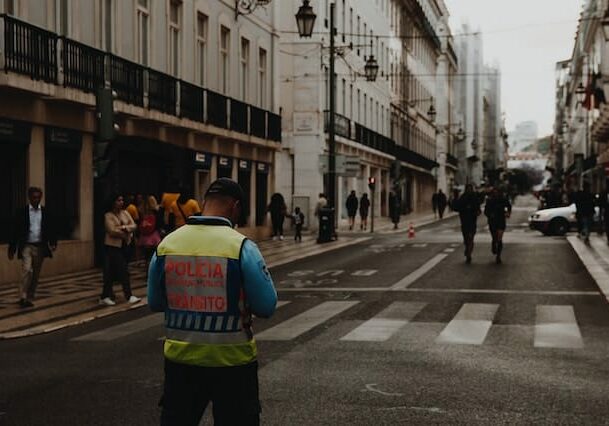
According to Numbeo, Portugal has one of the lowest rates of violent crime in Europe, and Lisbon is amongst the safest cities in the European Union.
Alongside the low crime rate in Portugal, the autonomous Portuguese islands of Madeira and the Azores, in particular, experience meager crime rates. For example, in Madeira, news items have sometimes been regarded as slightly comical as crime-worthy items are somewhat lacking. In one case, a man tried to enter a private hospital on the island accompanied by a swan, creating some puzzlement, given the island’s lack of swans.
While crime rates in Portugal are low, incidents of pickpocketing, bag-snatching, and theft from holiday properties are common in major tourist areas and on public transport. Thieves may target foreign-registered and hired cars and use threats or violence, but this is not a common occurrence, and Portugal is a very safe country overall. If you exercise caution and use common sense, you should not have many problems.
You can also get travel insurance when visiting Portugal to safeguard against unforeseen circumstances. If you have any problems, you can simply visit the nearest police station and complete a police report for the local authorities.
Stable socio-economic landscape in Portugal
Portugal’s stable socio-economic landscape is a pillar of its success when it comes to safety. The country is committed to enabling its residents and citizens opportunities and assistance which is underlined by Portugal’s consistent GDP growth, low unemployment rates (standing at 6.4 percent in 2024), and clear governance.
These factors have contributed to a sense of security in the country, fostering a peaceful environment and allowing residents to enjoy a better quality of life.
Political stability in Portugal
Portugal is known for its security, due to its long-lasting stable political climate achieved by a well-established multi-party system and no disruptions when different parties assume power. The lasting peace traces back to the Carnation Revolution of 1974, followed shortly after by an enactment of the Portuguese Constitution.
Natural disaster preparedness in Portugal
You may be aware of the earthquake of 1755 that devastated Portugal. While there’s always a minimal risk of natural catastrophes, they are extremely rare. Wildfire dangers in rural areas and flooding have been the only forms of natural disasters in recent years, the most recent being wildfires in Northern and Central Portugal in September 2024, where more than 5,000 firefighters were prepared to respond quickly.
However, Portugal’s location does mean that the country is susceptible to natural disasters, including occasional seismic activity. Portugal has invested in disaster management and mitigation strategies, such as fast response programs and fire protection, especially in the summer months when wildfire risks are at their highest.
No recent terrorist attacks in Portugal
While there have been no recent attacks, Portugal’s national terrorism alert is set to ‘significant’ (level 3 out of 5) to always be alert to terrorism. Terrorists have targeted European cities, including transport hubs and areas visited by travelers, so heed official warnings seriously.
The Portuguese government has a public alert system on terrorism and keeps the public informed of any threat-level changes online and through social media.
Compared to other European countries, Portugal is relatively safe when it comes to terrorist attacks, and there has been no attack since 2011.

The Safest Places in Portugal
The next important question to address when it comes to safety is: Is it safe in Portugal in all areas or just some of them? While Portugal, as a whole, is very safe, no matter where you live, below we’ve highlighted some of the areas in the country that are well known for their safety and security, from stunning islands to bustling cities.
- Lisbon: Portugal’s capital is one of the safest in Europe, offering the perfect balance between modernity and tradition. According to the 2024 Annual Internal Security Report in Portugal, Lisbon’s crime rates have decreased by 7.6 percent over the past year alone.
- Porto: Capturing hearts for many years now, Porto is a very safe city that still retains the atmosphere of a small village and community feel despite being the second-largest city in the country- perhaps it’s the welcoming nature of the locals.
- Cascais and Sintra: Nearby Lisbon, Cascais and Sintra provide the perfect escape from busy city life. Sintra is a charming town known for its colorful and dramatic palaces, while Cascais is a postcard-perfect seaside town that has long captured the attention of expats and tourists looking to enjoy lovely beaches and a day by the sea. The Sintra Cascais Natural Park provides the perfect escapism for nature lovers.
- Azores and Madeira: With the most vibrant greens ever known to man, the Azores is a dream for many, with green rolling hills, beautiful landscapes, clear lakes, thermal springs, and a relaxed pace of life, while Madeira, off the Western coast of Africa, provides a high quality of life and a permanently beautiful climate. These two autonomous islands of Portugal are well known for their low crime rates.
- Averio: Known as the “Venice of Portugal”, Aveiro is gaining popularity amongst tourists and expats and is often regarded as one of the safest cities in the country. Alongside Aveiro, Braga in the north, and Coimbra in Central Portugal are also considered to be very safe cities.
- Braga: Nicknamed the “Rome of Portugal” for its religious history, Braga is known for its peaceful atmosphere and walkable streets. It is a charming historic town and one of the oldest cities in Portugal. With low crime rates, Braga is popular among expats wishing to move to a safe and quiet area.
- Tavira: The Algarve also stands out for its reputation for safety, the safest of which is largely considered to be Tavira. As a relaxed coastal town, residents enjoy the peaceful atmosphere, historic architecture, and strong sense of community.
What makes Portugal a great place to visit or live?
What makes Portugal such a stand-out country to relocate to? Below, we share some key reasons why more expats than ever before have their hearts set on this Southern European gem.
High quality of life

Portugal is regularly on the news or topping various indexes – for example, clocking in at sixth position in the Quality of Life Index by Global Citizen Solutions. The Quality of Life Index uses metrics like environmental sustainability, the cost of living, infrastructure, and personal and political freedoms to determine a passport’s power and which destinations are best to move or retire to. The big factor for Portugal ranking so highly– as you can expect – is the high quality of life.
From excellent healthcare to top-quality education, a relaxed pace of life, and a focus on enjoying the simple things in life, it’s no wonder why living in Portugal is a dream for many. Factor in the sublime climate and friendly locals, and you’re on to a winner.
Plus, English is widely spoken (Portugal ranks sixth on the 2024 Global English Proficiency Index), making it easier to integrate into the local way of life.
An affordable cost of living
Portugal is a very affordable country. Everything from groceries and eating out at top restaurants to public transportation is much more affordable than in other European countries and North America. For example, according to Numbeo, the cost of living is almost 44 percent lower in Lisbon than in London, UK (including rent) and 42 percent lower than in Washington, D.C.
Healthcare, in particular, including private healthcare, is drastically cheaper in Portugal than in the USA, for example, and is a big incentive for why many Americans have their sights set on moving to Portugal from the USA.
Bear in mind that, as with any country, prices will be more expensive in the major cities, such as Lisbon and Porto, and more touristic areas, such as the Algarve.
Family-friendly environment
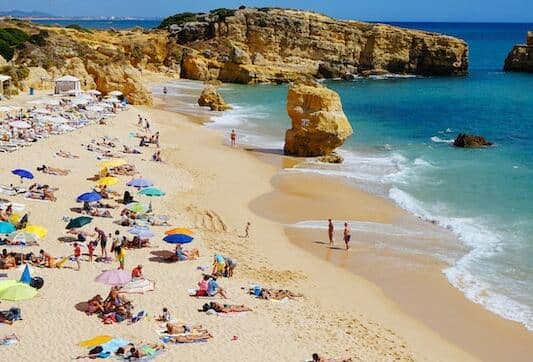
As the seventh safest country in the world according to the latest Global Peace Index, Portugal also provides a safe environment to move to with a family. With many international schools in Portugal, an array of activities, beautiful beaches, natural parks, city parks, and a robust education system, the country is a perfect country to move to with your family.
Family is vital to the Portuguese. While many other European countries value the importance of family, Portugal has a particular sense of devotion to family. Sundays are reserved for spending time with loved ones, and it is common for young adults to head over to their grandmothers for Sunday lunch. Because of this, relocating to Portugal could mean building more profound family traditions and connections.
The weather also helps in Portugal, as it is possible to head outside throughout most of the year and make the most of the good weather and mild climate. There are also many beautiful hikes in Portugal for nature lovers.
The excellent public transportation system for much of the country is another safe and convenient benefit. You can quickly get around Lisbon and Porto by metro, bus, and tram. Metro stations and public transport cover most of the two largest cities in Portugal, making getting around quick, easy, and affordable.
With three international airports, the Lisbon Airport, Porto Airport, and Faro Airport, it is also very straightforward to travel internationally.
Investment opportunities
Portugal has actively encouraged foreign investment over the years through programs such as the Portugal Golden Visa program. With a stable economy, strategic location (same time zone as the UK), and access to European markets, Portugal provides an attractive destination for businesses and investors.
Several international companies have set up operations in Portugal, including Mercedes-Benz and Google, alongside startups and tech companies who are based here, with Lisbon, Porto, and Braga having become top tech hubs.
Attractive tax system
Although the hugely popular Non-Habitual Residence (NHR) program has come to an end, the new Tax Incentive for Scientific Research and Innovation is set to continue to provide tax benefits.
Under this new tax regime, professionals working in certain qualifying industries like science, education, and technology can enjoy tax benefits for up to ten years.
These benefits include a flat 20 percent tax rate on their professional income, along with substantial exemptions on most international income. For more on the new program, see our NHR 2.0 guide.
Many locations to choose from
You’ll discover many stunning spots when searching for a home in Portugal. From the buzzing capital of Lisbon to the sublime beaches in the Algarve, there are many locations where you can buy property in Portugal. Indeed, for such a small country, the diversity in landscapes is exceptional.
Those looking for a historic city in the North have Porto and Guimaraes as excellent options, plus Braga real estate also has much to offer property buyers.
Expats are also drawn to the Silver Coast, given its proximity to Lisbon and Porto, stunning landscapes, and more authentic Portuguese lifestyle.
For the warmest climate in Portugal, opt for the Algarve, where many beaches will enable you to relax in style. Buying property in Lagos, Portugal, is especially popular among expats settling in the region.
A thriving real estate market
Buying a property in a safe, stable country is one thing. But to buy property in a thriving market that is going from strength to strength is another. According to the PwC and the Urban Land Institute, the 2025 Emerging Trends in Real Estate survey reveals that Portugal’s capital, Lisbon, currently ranks 11th in the list of cities expected to attract the most capital investments.
Plus, the average rental yield in the Lisbon Metropolitan Area currently stands at a favorable 6.8 percent, and you’ll find high rental yields across the country, making Portugal real estate an attractive option for investors.
Why invest in Portugal’s property market?
Living in one of the safest countries in the world has its perks. Homebuyers can enjoy peace of mind knowing their homes and investments are secure in a country and market that offers reduced risk for investors. Prices in such a market are less volatile, making it easier to predict returns on investment.
The fact that Portugal is a safe country is also a key reason why many digital nomads prefer to live and work in the country and why international students choose to study here as well. As such, Portugal presents an ideal rental market for investment properties.
Interested in jumping on the property ladder? Find out how

Practical Information about Safety in Portugal
Living in Portugal as an expat is a reality for many internationals, and the safety aspect is a key attraction. Although Portuguese society is known to be a fairly peaceful country, you should always exercise the normal safety precautions when visiting any foreign country.
Popular tourist destinations are still home countries to the native citizens who have local customs and local laws that need to be respected and obeyed. To gain a comprehensive understanding of safety in Portugal, let’s look at the key elements that contribute to its overall security.
 General safety in Portugal

Although Portugal is one of the safest countries in the world, it’s best to always exercise caution to ensure a stress-free experience when visiting or living here. Here are some important safety tips:
- Respect Portuguese law: Make sure you’re up to speed with local laws in Portugal for tourists and regulations, including customs and traffic rules, laws on illegal drugs, and travel advice from local authorities.
- Be aware of your surroundings: Stay alert and be mindful of your surroundings, particularly in tourist spots and other crowded areas, such as public transport during rush hour, to avoid potential pickpocketing or petty theft. Keep your belongings secure and avoid walking in quiet and poorly lit streets at night.
- Be alert to scams: Scams can happen in any country, whether it is the place you are renting that may not be legitimate or you encounter strangers offering unsolicited assistance, so keep alert.
- Health precautions: Make sure you have valid travel and health insurance. Portugal’s healthcare is excellent and can provide top-quality medical treatment, but it’s important to be well-prepared.
- Weather: Be prepared for turns in the weather and heed any weather advice, for example, if temperatures will be dangerously high or there is a risk of storms or flooding.
- Beach safety: If you are visiting the coast, be cautious of strong currents, follow beach safety guidelines, and avoid swimming alone in remote areas. Tides and weather conditions can turn quickly.
- Keep informed: Stay up-to-speed with current events and developments. Monitor local media and travel advice from the Portuguese authorities. You can also check if there are any specific current alerts about Portugal in your home country. For example, at the moment, the US State Department recommends US citizens exercise normal safety precautions in Portugal.
- Emergency number: While you hopefully won’t need it, make sure you know the emergency numbers in the country, including the police, which you can reach by calling 112. If you are robbed, contact tourist police stations and report it immediately to the local authorities. There are tourist police stations in Lisbon, Porto, Portimão, and Cascais. To contact tourist police stations, call 342 1634 or 342 1623 or send an email to lsbetur@psp.pt.
- Watch out for petty crime: Avoid traveling during crowded peak times and stay attentive in public areas. At night, opting for a taxi is a safer choice than walking down empty streets.
 Medical information to know in Portugal
 Medical information to know in Portugal
When visiting Portugal or any other foreign country, it is essential to consider any general safety requirements. You should also assess your need for medical and travel insurance according to visa requirements and do research on your destination’s healthcare system and crime rate. In the section below, we will cover these topics to help you prepare for the journey ahead when you travel to Portugal.
Healthcare facilities
The Portuguese healthcare system ranks 23rd in the world according to Numbeo’s 2025 Healthcare Index by Country. A significant contributor to its success is the abundance of multilingual medical professionals. They provide excellent service to patients and ensure effective communication and care in public and private facilities across the country.
Portugal has a top-quality selection of medical facilities from Lisbon to Porto and regions in between, including Centro Hospitalar de Lisboa Central and Hospital de Santa Maria in Lisbon.
Travel insurance
Having comprehensive travel insurance that covers you, your loved ones, and your essential belongings during your time in Portugal plays a vital role in ensuring you are covered against unexpected emergencies.
This type of coverage can help you pay for medical expenses and provide emergency services should something unexpected occur during your journey. It may also protect against loss if there’s ever the need to cancel or interrupt plans.
Various excellent travel insurance options are available for secure travel in Portugal. These include AXA Assistance USA, Cat 70 GoReady (formerly known as April), Europ Assistance, MondialCare, the GlobeHopper Senior Plan, Allianz, and AXA’s Schengen Travel Insurance. Each option offers robust medical coverage, ensuring healthcare costs and liabilities are covered.
They also consider potential transportation delays, providing additional coverage for a worry-free travel experience.
Vaccinations and health precautions
Before visiting Portugal, consult your doctor to make sure that you are aware of which vaccinations and health measures must be taken. Taking these precautions will help you prepare for your trip.
Women’s safety in Portugal
 Women’s safety in Portugal
 Portugal is generally very safe for women travelers. The culture is welcoming, and incidents of violent crime are low compared to many other countries. However, normal safety precautions are advisable.
To minimize any safety risk, women should be cautious in less populated areas, especially at night, and be mindful of their belongings in crowded tourist spots. It’s also wise to have a plan for transportation at night, such as booking a reliable taxi service or using reputable ride-sharing apps.
LGBT safety
Portugal is considered one of the most LGBT-friendly countries in the world. The LGBT community is embraced in Portugal, especially in major cities like Lisbon and Porto, where numerous LGBT-friendly venues and events exist. While public displays of affection might not attract attention in the major tourist cities, LGBT expats and tourists should be aware that more conservative views may be encountered in rural areas.
Regional safety
When navigating even the safest regions in Portugal, it’s smart to keep informed on the general safety precautions. As in all European countries and countries across the world, respecting the local culture and heeding official warnings at transport hubs and tourist destinations is vital for your safety.
Nightlife safety: Is Portugal safe at night?
Portugal nightlife is vibrant and relatively safe, ideal for visitors seeking a memorable experience. However, it’s important to remain vigilant in bustling areas, especially in the bigger cities.
Expat safety in Portugal
Portugal is known as being a welcoming country for expats, with many communities of foreigners living harmoniously in various regions. The low crime rate in Portugal and friendly locals contribute to a sense of security among expats.
Additionally, while English is widely spoken, especially in tourist areas, learning basic Portuguese can greatly enhance interactions and help understand local norms and practices.
Driving safely in Portugal
Driving in Portugal can be a pleasant experience, thanks to well-maintained roads and scenic routes. New drivers in Portugal should be aware of some challenges. Traffic in cities like Lisbon and Porto can be heavy, and narrow streets in older towns can be tricky to navigate. You should also check Portuguese driver’s license regulations to ensure you are driving legally.
Drivers in Portugal are known for being fast, so staying alert and cautious is key, especially on highways. Rural areas may have poorly lit roads, and animals on the road can be a hazard. It’s also important to be aware of Portugal’s strict laws against drinking and driving.
How to Move to Portugal
More than 1,044,606 foreign nationals live in Portugal, according to the latest Portuguese Asylum and Immigration Report from AIMA Portugal.
The country has seen more internationals seeking a better life relocate to Portugal than ever before, with highlights including excellent public services, attractive investment prospects, an affordable yet high quality of life, and a rich cultural scene. Families are also taking note of the 51 high-quality international schools in the country.
Another great aspect of Portugal is that there are many ways to secure residency. If you are an EU national, you will have no problem moving here, but for non-EU nationals, there are also plenty of options.
This includes the D7 Visa (also known as the retirement visa), whereby you can relocate to Portugal as long as you have sufficient passive income, the Digital Nomad Visa, where you can work remotely in Portugal, and the Portugal Golden Visa, whereby you will need to make an investment into Portugal, alongside other options.
Discover what it’s like living in Portugal as an American in our expert guide
Wrapping Up: Safety in Portugal
Is Portugal a safe country? Well, we’ve answered that in detail. Portugal is one of Europe’s safest destinations to visit. By following basic safety measures, you’re unlikely to encounter any issues and be able to enjoy your time in a country that offers gorgeous scenery and captivating history.
Portugal is an excellent place for travelers who want a memorable experience with peace of mind within their surroundings. And, should you be thinking of extending your stay, perhaps even relocating, you’ll find Portugal to be one of the most wonderful places to live!
Frequently Asked Questions about How Safe Portugal is
Is Portugal safe and friendly to US citizens?
Portugal is a very safe country for US citizens to visit. There is a low crime rate in Portugal, a well-developed tourist infrastructure, and a friendly local population. However, like any travel destination, it’s essential to exercise normal safety precautions, particularly in tourist-heavy areas.
What are the most common types of crime in Portugal?
Crime rates are low in Portugal, but be wary of pickpocketing, bag-snatching, and theft from holiday properties and accommodation, which are more common in major tourist areas. However, violent crime occurrences remain relatively rare.
Scams against tourists occur to a limited degree in busy tourist areas. Rare cases of ATM skimming and taxi overcharging have also been reported in popular cities like Lisbon and Porto.
Specific Crime Types and Statistics:
- Theft: In 2021, there were 6,053 incidents of theft in public places (excluding vehicle theft) and 29,735 incidents of theft from motor vehicles and carjackings.
- Homicide: Portugal had a low homicide rate in 2022, with 0.72 homicides per 100,000 inhabitants.
- Organized Crime: Organised crime is a minor factor in some aspects of the crime landscape in Portugal.
Are the Portuguese friendly to tourists?
The Portuguese are very welcoming to tourists and usually go out of their way to help foreigners in Portugal. They can often be seen providing helpful advice about their favorite dining spots or attractions in the area. With time, visitors will quickly become part of this culture’s warm embrace that makes them feel right at home from day one!
Is Lisbon safe for tourists?
Lisbon stands out as a secure city for visitors, with a low crime rate in Portugal and welcoming locals. Apart from occasional cases of petty theft in heavy tourist areas, it is unlikely that you will come across any danger in Lisbon. Portugal is also ranked seventh on the 2024 Global Peace Index, showing how safe the country is compared to the rest of the world.
Is drug-related crime an issue in Portugal?
Drug-related crime has not been an issue in Portugal since 2001, when the government began treating the use and possession of small quantities of all illegal drugs as a public health issue.
As the first country in the world to decriminalize the possession of small amounts of all drug types, this decision has led to positive results in relation to drug-related deaths and drug-related crimes.
How safe is Portugal in terms of natural disasters?
You may be aware of the earthquake, the natural disaster that devastated the country in 1755. While there’s always a minimal risk of natural catastrophes, they have become extremely rare. Wildfire dangers in rural areas and flooding have been the only forms of natural disasters in recent years. It is always a good idea to monitor local media if you have any cause to worry about severe weather warnings.
What is the safest country in the world?
According to the Global Peace Index 2024, Iceland is the safest country in the world, followed by Ireland, Austria, and New Zealand.
Portugal is also a very safe country. The Portugal safety ranking on the Index is seventh position. Several European cities are considered very safe, such as Lisbon, Porto, and other big cities in Portugal.
Why is Portugal such a safe country?
Portugal is a safe country because it has a stable socio-political environment, a low violent crime rate, friendly people, and a family-centered and relaxed vibe. While the country is relatively safe, some petty crimes in the bigger cities may target tourists.
Where is the best place to live in Portugal?
This will largely depend on what you are looking for, as it will vary depending on if you are moving with family or looking to retire in Portugal. The cosmopolitan city of Lisbon is an excellent option for investors and those who want to live in a bustling city. It is also a great option for retirees, with tons of museums, excellent restaurants, and top amenities on offer.
For a more historic city, opt for Porto in the North or other cities such as Coimbra or Braga. The Algarve should be at the top of your list for those looking for good weather and beaches.
The Silver Coast is also an excellent location for expats, especially those seeking an active outdoor lifestyle in a welcoming and accessible area. The Silver Coast is conveniently located just over an hour northwest of Lisbon and two and a half hours south of Porto by car.
Does Portugal have a high crime rate?
If you’re wondering: Is Portugal dangerous? You can put your mind at ease. Portugal has a very low crime rate (scoring 32.1 in Numbeo’s 2025 Crime Index) and is one of the safest countries in Europe. By following standard safety precautions, you should have no problems. In particular, the autonomous Portuguese islands of Madeira and the Azores experience very low crime rates.
How safe is Portugal for tourists?
According to the Global Peace Index, Portugal is the seventh safest country in the world, and it is a safe place for travelers. It would help if you always carried photo identification with you, abided by local laws in Portugal for tourists, and stayed up to date with any travel advice from the local authorities when visiting.
Several European cities in Portugal are considered to be amongst the safest in Europe, including Lisbon, Porto, Braga, and Aveiro. If you have any problems, you can visit a police station (or tourist police stations (PSP), two of which are in Lisbon) and report the issue to the local authorities. You can also access consular assistance if required.
Is Porto, Portugal safe?
Yes, Porto is a very safe city with a stress-free lifestyle. As with any large city, there are instances of petty theft, but Porto is one of the safest cities to live in Europe.
Is Portugal safe to travel alone?
Portugal is generally a safe country to visit alone. It has a low crime rate, and violent crime is extremely rare. The main concerns to keep in mind are petty crimes such as pickpocketing and bag-snatching. So, remain especially vigilant when traveling on the trams and metro in major cities like Lisbon and Porto.
Is it safe to drive in Portugal?
While the well-maintained roads and beautiful scenery make driving in Portugal appealing, there are some hidden hazards to watch out for, especially for new drivers.
The water’s edge in Portugal can sometimes be unpredictable. Cliff erosion can cause falling rocks and hidden rocks to appear along the coast with little warning. Be aware that warning signs about cliff erosion might be in Portuguese and may not be readily understandable to visitors.
These dangers are especially important to consider during short stays, as new road hazards can emerge within just a few weeks. It’s important to stay alert at all times and be aware of Portugal’s strict laws against drinking and driving.
Is Portugal safe for solo female travelers?
Portugal is a very safe country for women travelers, but as with any country, it is best to exercise caution in certain areas and avoid walking alone at night.
What are the risks of traveling to Portugal?
Traveling to Portugal generally poses low risks. Exercise caution against pickpocketing, drive attentively due to winding roads, respect ocean safety, be aware of natural hazards, and carry travel insurance. Stay informed, follow local guidelines, and enjoy your trip to this beautiful country.
Is it safe to use public transportation in Portugal?
Yes, it is safe to use public transportation in Portugal. Train stations, metro services, buses, and trams are all safe and easy to navigate.
What should I do in case of an emergency while in Portugal? Is the emergency services system reliable?
If you need medical treatment or a medical evaluation, visit one of the many healthcare centers. If it is an emergency or you have a severe injury, the emergency service is reliable, and their contact number is 112.
Is it safe to live in Portugal?
Yes, Portugal is one of the safest countries in the world, with low crime rates. The autonomous islands of Madeira and the Azores are some of the safest destinations. Mainland Portugal is also very secure.
Is it safe to travel to Portugal right now?
Yes! Portugal is a very safe destination for travelers. Stay up-to-date with any current travel advisories or local guidelines to ensure a smooth trip. Portugal’s tourist-friendly environment and high safety standards make it a great choice for a getaway.
Do and don'ts in Portugal?
Dos in Portugal:
- Be polite and respectful of the Portuguese people and customs.
- Keep your belongings secure to safeguard against petty theft like pickpocketing.
- Follow local laws and regulations.
- Try to speak a little Portuguese.
Don’ts in Portugal:
- Don’t assume everyone speaks English.
- Don’t leave valuables unattended.
What are the cons of Portugal?
While Portugal is widely regarded as a safe and welcoming country, it does have a few drawbacks to be aware of. Petty crime, such as pickpocketing and bag snatching, can occur in crowded tourist areas and on public transport, so it’s important to stay alert and keep your belongings secure.
In the summer months, wildfires and heatwaves can pose risks, especially in rural or forested regions. If you are moving to Portugal, some newcomers find the bureaucracy challenging, as processes for things like residency, healthcare registration, or exchanging a driver’s license can be slow and complicated.
Driving in Portugal, particularly in the countryside, may also be a concern due to narrow, winding roads and limited street lighting in some parts of the country.

