


Updated: September 14, 2026
Sustainable housing in Portugal is becoming very popular among local and foreign investors. These homes create healthier living spaces, long-term savings, and boost the resale value, no matter where you invest.
The Portuguese government has implemented many policies to support investors who practice sustainable infrastructure development, urging them to use more solar panels, recycled materials, and invest heavily in renewable energy.
In this article, you can take a closer look at the situation in Portugal about sustainable construction initiatives and the pros and cons of building an eco-home.
Stick around to read about:
Sustainable Living in Portugal
Many investors, homeowners, and property renovators are looking for sustainable practices to reduce their carbon footprint and improve air quality. There is strong housing demand in Portugal for coastal properties with eco-friendly materials, like solar power and rainwater harvesting systems.
Major cities like Lisbon and Porto are at the forefront, pushing for green properties and smart, energy-efficient technologies. Because of environmental concerns, the Portuguese government has rolled out significant incentives in recent years, successfully helping to create a healthier and much more eco-conscious lifestyle.
What are eco-houses in Portugal?
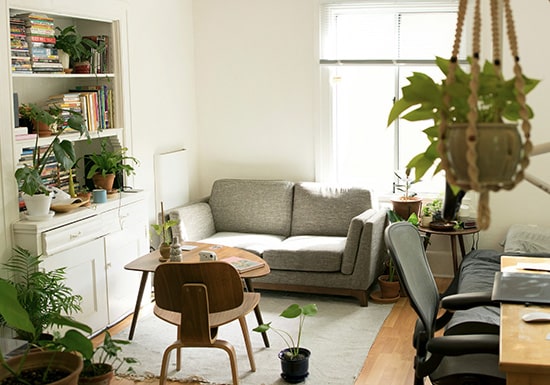
In Portugal, for a home to become sustainable, you need an Energy Performance Certificate (EPC), known as Certificado Energético. To get a high score, your house should meet certain criteria. For example, it needs to receive natural sunshine and enough shade.
You should seal the walls, floor, and roof with cork or use double-glazing windows, so the cool air stays inside in summer and keeps the house warm during winter. You can also install solar panels in Portugal so the house can make its own power.
Eco-friendly Practices for Building Homes in Portugal
Eco-friendly building practices in Portugal use sustainable materials like cork, bamboo, and recycled wood to reduce environmental impact. Builders design homes to make the most of natural resources, such as sunlight and ventilation, which help lower energy consumption.
Many modern projects also include solar and wind energy systems for cleaner power. Waste management plays a big role, reusing or recycling construction waste whenever possible. Practices such as these can reduce pollution, save energy, and create comfortable, durable homes that fit well with the climate.
Green Building Practices for Home Renovations in Portugal
When it comes to home renovations, green practices are transforming the real estate investment market in Portugal. Investors who prefer more efficient, eco-friendly homes often upgrade their insulation, solar panels, and smart systems. This helps them enjoy all the benefits of modern living while reducing dependence on fossil fuels. In the long run, the upgrades lead to cost savings and better property value.
The Benefits of Sustainable Housing in Portugal for Homeowners
By living in a green home, you can:
- Spend less on gas bills, hot water, and electricity
- Reduce your carbon footprint
- Create less waste
- Cut back on water and air pollution
- Increase property value
- Practice composting
Portugal's Eco-Friendly Properties Recent Market Trends
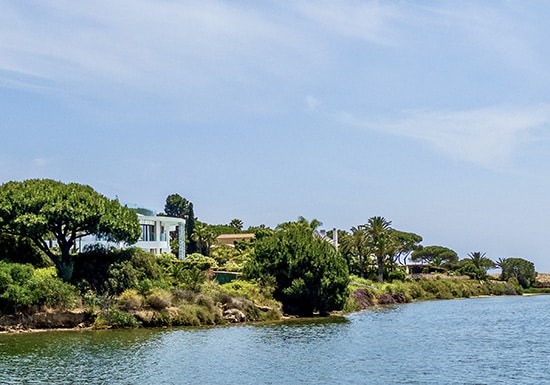
In Portugal, properties with an Energy Performance Certificate (EPC) are very popular and worth more. According to a recent Research Paper in Economics, buyers are willing to pay 13 percent more for apartments and 5 to 6 percent more for houses with a high EPC rating.
The global climate agenda adds to this domestic momentum, especially with the UN Climate Change Conference (COP30) in Belém, Brazil, in November 2025. The conference may renew the pressure on European nations, including Portugal, to meet and exceed their carbon reduction targets.
Government incentives for sustainable development in Portugal
Portugal’s government actively contributes to this trend by offering tax advantages, grants, and subsidies for renovating buildings and new construction projects. This has inspired buyers to invest in eco-hotels, green homes, and agritourism resorts.
Initiatives like the National Energy Poverty Observatory and Energy Saving Plan, including programs such as “Edifícios Mais Sustentáveis” and “Vale Eficiência”, promote sustainable building practices for residential properties, Cities for Climate recently explained.
Luxury properties in Portugal with sustainable design
Eco-friendly luxury properties in Portugal are no longer a niche market, but a dominant trend, especially in prime locations like Lisbon, Porto, the Algarve, and central Portugal. Luxury buyers often invest in properties with a minimal carbon footprint.
Portugal luxury real estate often has a very high EPC rating, superior insulation, solar panels, and smart home technology. Many properties harvest rainwater and use natural pools with indigenous landscaping.
If you are looking for sustainable housing in Portugal for sale with a high EPC rating, a property finder can help you monitor the latest market trends.
Take a look at our ultimate guide on Portugal luxury real estate

What are the pros and cons of building an eco-home?
Building sustainable housing in Portugal has advantages and disadvantages. Here is what you can expect with your investment.
Pros
- Saves you money in the long run
- Improves insulation
- Uses fewer resources
Cons
- Higher up-front costs
- Limited design choices
- Difficult to maintain
Where to find eco-friendly communities in Portugal?
Tamera, in Alentejo, is a popular sustainable community in Portugal. This research and education center has been working for years. It focuses on water retention, solar energy, and building a peaceful community.
Ecoaldeia de Janas near Sintra is another option that is tailored toward permaculture, traditional crafts, organic farming, and education. You can find many workshops here, and a demand for sustainable farming.
In central Portugal, near Lisbon, is a Traditional Dream Factory. This is a co-living and residency space focused on regenerative homes, art, technology, and permaculture that brings together founders, creatives, and farmers.
Western Algarve also has several communities with eco-conscious property owners, many in Barão de São João and Aljezur. Some families practice sustainable living near the coast and offer eco-homes for sale in Portugal.
How can Goldcrest help you?
A buyer’s agent like Goldcrest can research the real estate market in Portugal, negotiate prices, and offer property management services for long-term rentals.
Your agent can filter out the most energy-efficient homes on property listings and offer valuable advice for building materials, energy systems, and home improvements. Together we can work toward a sustainable future. Contact us today and let us help you find the property with long-term value.
Frequently Asked Questions about Sustainable Housing in Portugal
Can I live off-grid in Portugal?
Yes, in Portugal, you can live off-grid. However, you must follow the Portuguese government’s rules for land use, building, and residency. Check our guide to learn how to get Portuguese residency.
Is Portugal eco-friendly?
Yes, Portugal is one of the most proactive countries for eco-friendly practices. The government offers incentives, grants, and tax advantages for anyone who wants to protect the environment through their commitment to eco-conscious living.
Is there an eco-village in Portugal?
Yes, Portugal has many eco-villages, like Terramada in southern Portugal, Tamera in the Alentejo region, and Spirala in São Miguel de Acha in central Portugal.
How to find eco-homes for sale in Portugal?
You can research the local marketplace for eco-homes for sale or contact a buyer’s agent like Goldcrest to search for you. Our team offers expert market insight so you can find the perfect property.
