Home » Living » Things to Do in Porto, Portugal: Explore Like a Local
Updated: July 30, 2026
Porto, Portugal’s second-largest city, has become a major tourist destination in recent years, attracting over three million visitors annually. Despite its popularity, Porto retains its homey, traditional atmosphere that needs to be experienced firsthand.
Between the tranquil Douro River, world-class port wine, historic monuments, and captivating architecture, Porto offers something for everyone.
Use this list of top things to do in Porto to inspire you to experience Porto like a local and get an authentic experience of the city rather than just ticking off tourist spots.
We’ll also give you insider tips for planning your trip, including where to stay in Porto, getting around the city, and the weather you can expect.
Porto Cheat Sheet: Planning Your Trip
Porto was named Europe’s Leading Seaside Metropolitan Destination for the second year in a row in the 2024 World Travel Awards, and ranked eighth on Time Out’s World’s 50 Best Cities for 2025, too.
These accolades, combined with its vibrant spirit and authentic heritage of the city, explain why Porto continues to attract more travelers each year.
If you are curious about experiencing Porto’s charm for yourself, here are the essentials to know when planning your trip.
Where is Porto?
Porto is located in Northern Portugal, overlooking the beautiful Douro River. It’s roughly 300 kilometers (about a three-hour drive) north of the capital, Lisbon.
How to get to Porto?
Porto is easily accessible through its own international airport (Francisco Sá Carneiro Airport or Porto Airport). If you are traveling from elsewhere in Portugal, trains, taxis, and private cars are convenient to use.
How long should you spend in Porto?
Porto is best explored over a couple of weeks if you are able, because it allows you to soak up the experiences along with the peaceful lifestyle of the incredible city. You can easily spend months in Porto and not get bored. However, you can see most of the highlights in three to four days.
When to visit: Weather in Porto
Porto experiences mild winters and warm summers, and is generally cooler in temperature compared to the sunny South of Portugal. Below, you’ll get a better idea of the seasons in Porto to help you decide when to book your trip.
Spring and early summer (March to June): This is generally considered the best times to visit Porto. Temperatures are pleasantly warm, and you’ll have fewer crowds than peak summer.
Summer (July to August): This is peak tourist (and summer) season, ideal for water activities and cruises along the Douro River. The most popular historical monuments and attractions may get quite crowded.
Fall (September to November): This time of the year still offers enjoyable warm days and fewer tourists. It is also harvesting season in the Douro Valley, making it a great time for wine lovers to visit Portugal.
Winter (December to February): Cooler and wetter weather, but typically less crowded than the other seasons. You can enjoy a cozy, festive atmosphere around the holidays.
Where to stay in Porto?
When booking your accommodation, you’ll find you have many options to choose from, whether you prefer a budget-friendly arrangement, like Hotel Carrís, or a more luxurious experience at Torel Palace or the popular Pestana Palácio do Freixo.
Short-term rental sites like Airbnb and Booking.com are quite commonly used when searching for accommodation, if you would like to stay in a particular neighborhood in Porto.
Ribeira: This charming, central neighborhood is perfect for first-timers, offering stunning views and historic buildings.
Cedofeita and Baixa: These are also central options, which are great for experiencing some of the best of Portugal’s nightlife, art galleries, restaurants, and shopping.
Boavista: This is a more upscale, quiet neighborhood that has access to the Casa da Música concert hall and Avenida da Boavista, an avenue that leads straight to the sea.
Bonfim: A trendy, up-and-coming neighborhood with a creative rhythm, great local restaurants, and a more authentic, residential feel.
Dreaming of buying your own home in Porto? Our guide has everything you need to know.
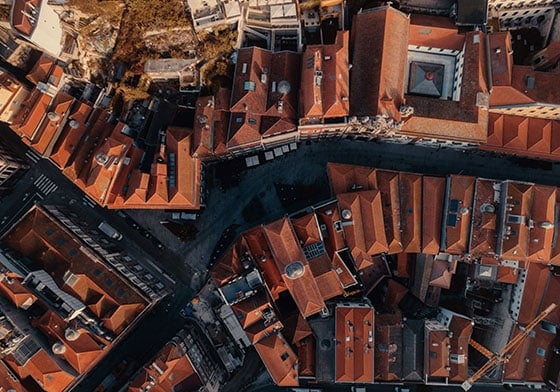
One of the perks of a modern city like Porto is that there are tons of options to get around. It all depends on where you are going and your personal preferences for navigating a city. Here are the most common options to get from A to B:
On foot: Walking is a great way to explore Porto, given its compact yet scenic layout. Lots of monuments and attractions are just a short walk apart from each other. However, fair warning, the city is quite hilly.
Public transport: The efficient metro, bus, and tram systems are all at your fingertips. You can also try the Guindais Funicular, which connects Ribeira to Batalha.
Taxis and ridesharing: Uber and Bolt are widely used in Porto.
Tourist-friendly transport: There are hop-on, hop-off buses to enjoy a quick overview of the city.
The Best Things to Do in Porto
To plan your itinerary, use our list of ideas for what to do in Porto to get inspired and find your top picks.
Remember, Porto is best enjoyed slowly, so try to spread your activities out wisely to experience the city the way it is meant to be.
1. Explore Porto’s beautiful old town and city center on foot
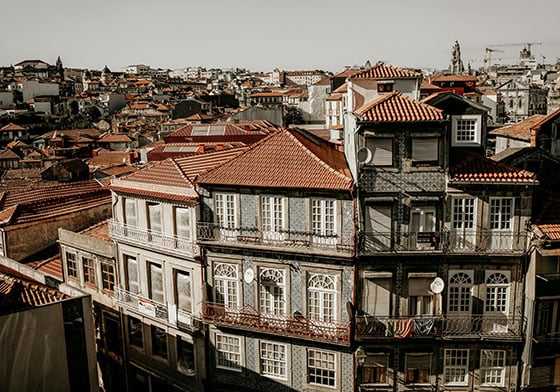
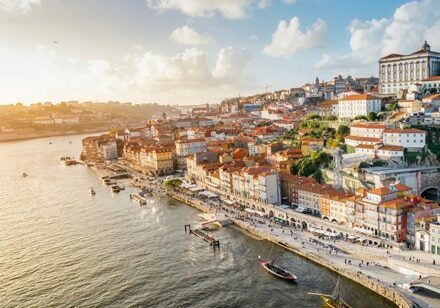
Walking through Porto’s UNESCO-listed historic city center is like walking through a living museum. The traditional colorful tiles (azulejos) and historic buildings keep centuries of stories alive, sharing pieces of history with each person who passes by.
From the bustling, riverside Ribeira district, with its vibrant houses, ancient Sé Cathedral, and the exquisite famous churches, the old town is best experienced on foot.
Start at São Bento train station, one of the most beautiful train stations you’ll ever see, and stroll down Rua das Flores, a vibrant pedestrian street. Then, explore all the Ribeira district has to offer before venturing up to the Porto Cathedral for stunning views.
2. Taste Port wine in Vila Nova de Gaia
A day trip to the Port wine lodges in Vila Nova de Gaia is an absolute must. Just across the iconic Dom Luís I Bridge, these historic port cellars house some of the best wines in the world.
Each wine estate and lodge have their own unique signature wines, so our recommendation would be to join a wine tour to experience and compare a few different ones.
These experiences usually include a guided cellar tour on each estate, where you can learn about the establishment’s history, production process, and aging secrets of the iconic Port wine, before enjoying a port tasting session.
3. Cycle along the Douro River
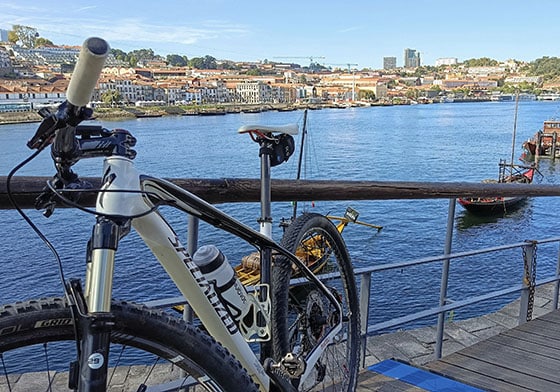
A wonderfully scenic way to enjoy an afternoon in Porto is to rent a bike and cycle along the Douro River.
You can start near the city center, where the well-maintained bike paths will lead you towards the Atlantic Ocean.
The trail guides you past charming riverside villages, quaint fishing boats, and stunning views of both Porto and Vila Nova de Gaia on the other side of the Douro River.
4. Take a scenic boat ride
Another vantage point from which to view Porto is the water.
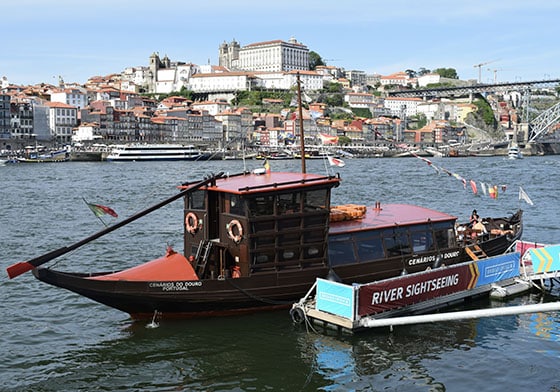
Traditional Rabelo boat cruises are available for slow rides down the river, or you can join one of the popular Six Bridges cruises.
These tours offer unique perspectives of Porto’s iconic bridges, the colorful Ribeira waterfront, and Vila Nova de Gaia’s riverside wine lodges, all while retracing the historic path of the wine trade.
5. Eat a pastel de nata (or three)
While the creamy, caramelized pastel de nata custard tart originated in Lisbon, the sweet treat has grown into a sort of national treasure. Porto has its own equally fantastic versions that are a classic part of the local culinary experience.
Seek out local bakeries in Porto where they are baked fresh throughout the day, often still warm with a slightly crisp, flaky pastry. Two top recommendations to try are Manteigaria and Castro.
Pair the tart with a Portuguese espresso, known as a bica, for a light breakfast or mid-afternoon treat.
6. Cross the Dom Luís I Bridge (and take unreal pictures)
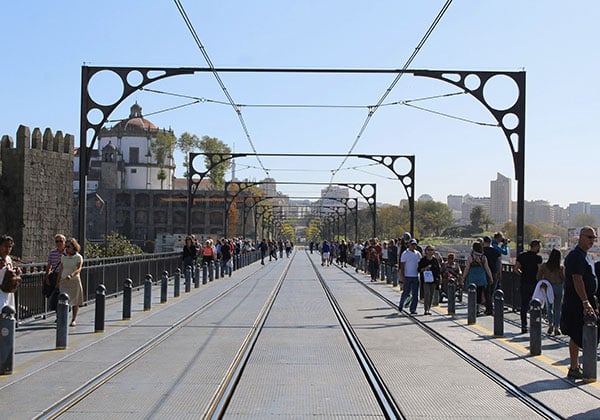
The iconic Dom Luís I Bridge is a magnificent double-deck iron bridge designed by a student of Gustave Eiffel.
Crossing the upper deck of the bridge, you’ll experience one of the city’s most iconic panoramic views, perfect for capturing the most magical photos.
Pro tip: The views are particularly stunning at sunrise or sunset, when the city is covered in golden light.
7. Visit Porto’s scenic gardens and parks
Yes, Porto is quite a modern city, but that does not mean it is lacking in natural beauty. Choose a sunny day to escape the urban bustle and find tranquility in Porto’s serene gardens and parks.
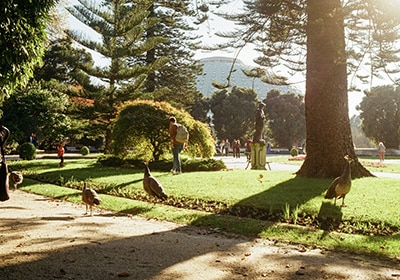
The Jardins do Palácio de Cristal (Crystal Palace Gardens) jump straight out of a romance novel, with charming pathways, trimmed hedges, quaint little fountains, and even resident peacocks. Round out your day with a trip to the nearby art district. You can take a walk down Miguel Bombarda Street and stroll through the art galleries for some creative inspiration.
If you’re up for a full park day, head to Parque da Cidade, Porto’s largest urban park, which stretches all the way to the Atlantic coast. When you visit, you’ll be able to walk to Matosinhos, a city home to Porto’s most popular beach.
Not only will you find lush greenery, duck ponds, and endless walking trails, but Parque da Cidade also offers access to restaurants and hosts exciting events and shows throughout the year, including the Primavera Sound Porto music festival and regular flea markets selling organic products. The Sea Life Porto Aquarium is also located next to one of the park’s entrances.
8. Take a day trip to the Douro Valley
Speaking of natural beauty, another must see in Porto is the Douro Valley. This UNESCO World Heritage Site is the world’s oldest demarcated wine region, with a breathtaking landscape of terraced vineyards, steep hillsides, and charming historic quintas in Portugal (traditional wine estates).
You can explore the Douro Valley on a leisurely boat trip on the river, a serene train ride, or as part of a guided wine tour to explore the history of the area and its traditional port wine production.
If you plan to spend a few days discovering the region, Peso da Régua, Lamego, and Pinhão are great places for overnight stays.
9. Visit Mercado do Bolhão
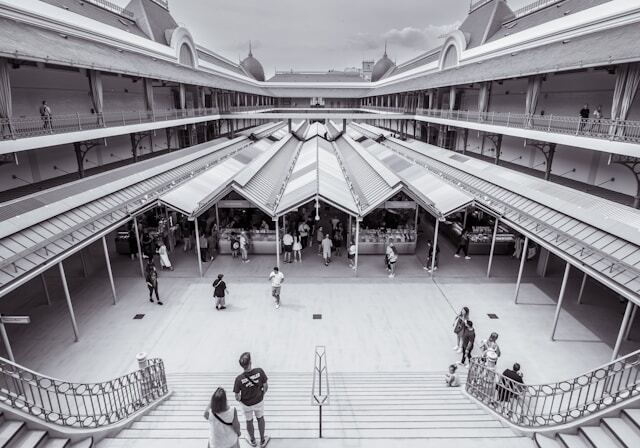
Immerse yourself in the vibrant buzz of Porto’s historic, but recently renovated, Mercado do Bolhão.
This food market is brimming with fresh produce, bright flowers, artisanal cheeses, cured meats, and, of course, a tempting selection of local fresh fish and seafood, caught daily from the Atlantic Ocean.
There are also a few local sit–down eateries at the market to enjoy a tasty meal after browsing and restocking your pantry.
10. Discover Porto’s historic monuments
If you are after more of a traditional sightseeing day filled with historic monuments and buildings, there are plenty of must-see Porto landmarks. History lovers will love a visit to the following places:
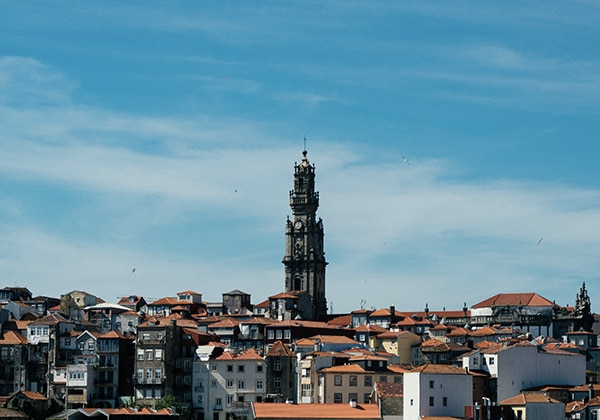
Clérigos Tower (Torre dos Clérigos): Climb this iconic bell tower for breathtaking 360-degree panoramic views of Porto.
Sé Cathedral (Porto Cathedral): Explore Porto’s ancient fortress-cathedral, dating back to the 12th century, which features a beautiful azulejo-decorated Gothic cloister.
Palácio da Bolsa (Stock Exchange Palace): Discover this opulent 19th-century neoclassical building, the former stock exchange, famous for its lavish rooms, including the majestic Arab Room.
Church of São Francisco(Igreja de São Francisco): This ornate church’s stunning gilt woodwork and intricate artwork cover almost every surface. Stepping inside is a true jaw-dropping moment.
São Bento Train Station: This operational train station’s stunning main hall is decorated with over 20,000 intricate blue and white azulejo tiles depicting Portuguese history and life.
Lello Bookshop (Livraria Lello): Visit one of the world’s most beautiful bookshops, famous for its stunning Neo-Gothic architecture and ornate staircase, which is said to have inspired parts of the Harry Potter series.
Pro tip: There are many cultural tours, walking tours, and excursions that will cover a lot of these landmarks in one day. The perks of opting for a private tour are that your guides will be most efficient at getting you in and out with the shortest wait times and will also have deep knowledge of the history of each monument.
11. Enjoy a beach day at Matosinhos Beach
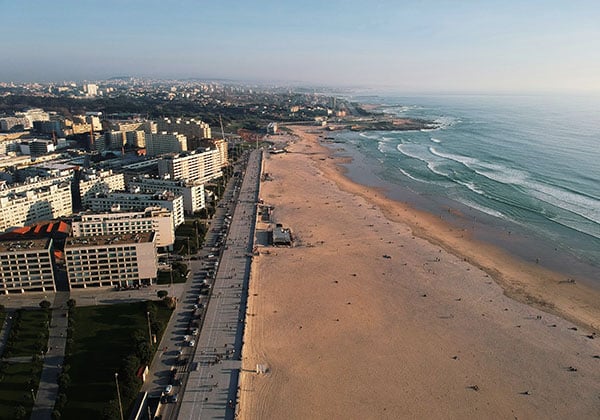
When the beautiful city has left you craving sand and sea, hop on the metro for an easy ride to Matosinhos Beach for a relaxing city break.
This wide, sandy stretch is popular with locals and visitors for both swimming and surfing, with several surf schools offering lessons for all levels.
Once the sun has disappeared, indulge in some of the freshest grilled seafood at one of the many excellent, casual restaurants lining the promenade.
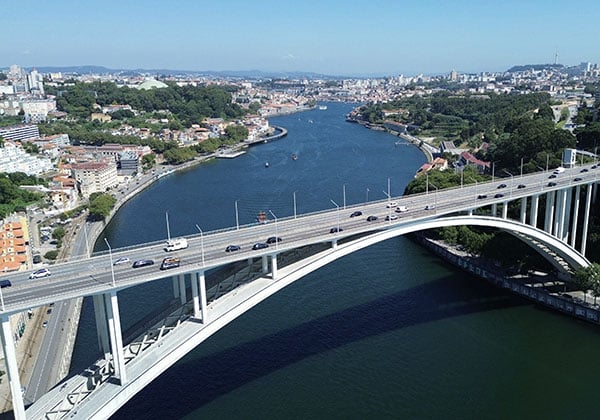
For the adventurous traveler, try the Porto Bridge Climb on the Arrábida Bridge. This exhilarating experience is the only climb of its kind in Europe, allowing you to ascend the graceful arch of the bridge itself.
This is another activity where you are rewarded with pinch-yourself views of the city, the winding Douro River, and the stunning coastline.
13. Watch a live show at Casa da Música or São João Theatre
For creatives looking for the best things to do in Porto, Portugal, there’s no better way to immerse yourself in Porto’s cultural scene than by catching a live performance.
Experience a concert at the Casa da Música, a striking modern building renowned for its innovative architectural design and world-class acoustics. Casa da Música hosts a diverse range of musical acts, offering something for all tastes.
Alternatively, enjoy a classic play, opera, or ballet performance at the historic Teatro Nacional São João, a grand theatre that serves as a cornerstone of Portuguese performing arts.
14. Spend a morning at Serralves Museum and Gardens
The Serralves Foundation brings an inspiring fusion of art, architecture, and nature. It features a Contemporary Art Museum with multiple exhibitions all year, a charming Art Deco Villa available for touring, and extensive, beautifully landscaped gardens.
Within the park, you’ll find a formal botanical garden, woodlands, and a traditional farm, along with “The Gardeners’ House” (another architectural project on the site), as well as a treetop walk.
Stepping onto the complex feels like stepping into another world entirely, leaving you inspired and wanting more.
15. Experience Porto’s nightlife
As the sun sets, Porto transforms into a lively hub. At night is the perfect time to enjoy a soulful fado performance in a cozy, traditional tavern, or sip sophisticated rooftop cocktails with glittering city views.
You can also dance the night away around Galerias de Paris street, Porto’s vibrant nightlife area. Some of the top recommended spots are:
Ferro Bar: Stays open until five in the morning, offering a mix of electronic music DJs, rock concerts, and art performances
Club Gare: The go-to spot for groove and minimal techno lovers
Passos Manuel: A two-floor disco and concert hall
Pérola Negra: An old cabaret house transformed into a club
Maus Hábitos: An iconic venue known for live music shows and niche parties
Restaurants and Dining
What good is a “what to do in Porto” list without a what to eat in Porto recommendation?
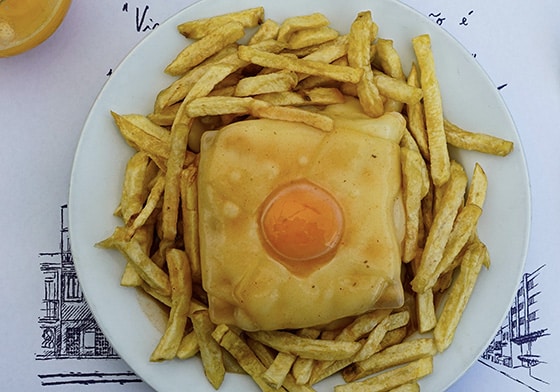
Porto is bursting with tons of delicious food to try. You simply must sample the iconic Francesinha, a towering sandwich layered with meats, cheese, and a rich, spicy tomato and beer sauce.
Other must-try traditional dishes include Tripas à Moda do Porto, a hearty tripe stew with white beans; Caldo Verde, a comforting kale and potato soup; and Bacalhau à Brás, a popular codfish dish.
To make sure you have the chance to try a bit of everything, consider taking a food tour. The best ones will allow you to discover local markets and hidden eateries through an expert guide.
Here are some restaurant recommendations, too:
For traditional Portuguese: Casa Guedes, O Buraco, Taberna dos Mercadores, and Culto ao Bacalhau
For seafood: Mariscar, Meia-Nau Porto, Petisqueira Voltaria, and Meia-Nau Porto
For Michelin-starred dining: The Yeatman and Antiqvvm (both two stars)
Final Thoughts
It is clear that Porto offers tons of activities and must-see attractions for every personality. Whether you prefer to soak in its history, relax along the Douro River, or sample the signature port wine while taking in the incredible vineyard views of the Douro Valley or Vila Nova de Gaia, Porto will have you endlessly entertained.
Even after this extensive Porto, Portugal things to do guide, there is still the rest of tourism in Portugal to discover.
Should you be going one step further than visiting this charming city and are considering living in Porto, you’ll find it an excellent place to live. From delicious food, great infrastrucutre, and welcoming locals, Porto is one of the best places in Europe to move to.
If you are planning on staying in Portugal long-term and are thinking of moving to Portugal, our expert team at Goldcrest is here to make the process easier.
We can help you find a convenient long-term rental home, close to all the best things to do in Porto, or help you find your dream forever home if you are planning to buy and relocate to the country.
You will find many Porto retirement homes and dream retirement spots, should you be thinking of enjoying your golden years in Portugal’s stunning second city, while there are also ample opportunities when it comes to buying property in Porto to get excellent deals, whether you are moving to work or to relocate with family.
Frequently Asked Questions About Things to Do in Porto
What should I not miss in Porto?
You absolutely shouldn’t miss experiencing a Port wine tasting in Vila Nova de Gaia, wandering through the charming Ribeira district, crossing the iconic Dom Luis I Bridge, and indulging in a delicious Pastel de Nata. Other Porto must-see places include the Clérigos Tower, Livraria Lello, and the São Bento Railway Station.
Is Porto really worth visiting?
Yes, absolutely! Porto is highly worth visiting for its authentic charm, stunning Douro riverfront, rich history, delicious food and port wine, and vibrant local atmosphere. While it may not be as visited as Lisbon, Porto manages to make each visitor’s experience memorable.
What is Porto best known for?
Porto is best known for its world-famous Port wine, its beautiful riverside Ribeira district (a UNESCO World Heritage site), the iconic Dom Luis I Bridge, and its historic architecture, often decorated with traditional azulejo tiles – all iconic things to see in Porto.
Is Porto prettier than Lisbon?
Many travelers find Porto to be more picturesque than Lisbon, with its more compact, hilly, and historically preserved city centre, colorful riverside houses, nearby vineyards, and dramatic bridge views. However, Lisbon has its own unique beauty, too. It all comes down to preference.
How many days do I need to explore Porto thoroughly?
To explore Porto thoroughly and enjoy its main attractions, culture, or a day trip to the surrounding areas, five to seven days is generally recommended. Five days will cover the highlights, while seven days allow for a deeper dive and a relaxed pace.
If you can make the time, spending a couple of weeks in Porto would be ideal for experiencing the local culture and lifestyle with more authenticity, in addition to trying all the best things to do in Porto at your own pace.
Is Porto a walkable city, and what's the best way to get around?
Yes, Porto is a very walkable city, especially its historic center, though you should prepare yourself for the hills. For longer distances or steep climbs, use the efficient public transport system (metro, buses, trams, and funicular).
What are the best Port wine cellars to visit in Vila Nova de Gaia, and how do I get there?
Popular and highly-rated Port wine cellars in Vila Nova de Gaia include Taylor’s, Graham’s Port Lodge, Cockburn’s Port Wine Lodge, Cálem, Sandeman, and Ferreira, each offering unique guided tours and tastings. You can get to Vila Nova de Gaia by walking across the lower or upper deck of the Dom Luís I Bridge from Porto, or by metro.
What are some unique or off-the-beaten-path things to do in Porto?
While many visit Vila Nova de Gaia for Port wine cellars, you could venture off the beaten path into the quieter side streets for a glimpse of local life and charming views. The Gaia Cable Car is a great way to see the city from a different perspective.
Porto also has a thriving street art scene, especially in areas like the Rua Miguel Bombarda, offering a window to the city’s creative side.
Can I take a Douro River cruise from Porto, and which one is recommended?
Yes, you can absolutely take a Douro River cruise from Porto. The most common is the Six Bridges Cruise (often on traditional Rabelo-style boats), which offers fantastic views of Porto and Vila Nova de Gaia from the water. You can also take a cruise that goes further into the Douro Valley, which is often combined with wine tastings.
What traditional Porto foods and drinks should I definitely try?
You absolutely must try the Francesinha, a hearty sandwich layered with various meats, cheese, and a rich sauce, as well as the Tripas à Moda do Porto, which is a traditional tripe stew. Don’t forget to indulge in the local Port wine and try a flaky pastel de nata (custard tart).
Is it necessary to book attractions like Livraria Lello or Clérigos Tower in advance?
We highly recommend booking tickets in advance for both Livraria Lello and Clérigos Tower, especially during peak season. Both attractions are popular tourist destinations, and online booking ensures you can secure your spot and potentially save time waiting in line.
What are the best day trips to take from Porto?
Several great day trips can be taken from Porto, including:
The Douro Valley, for natural beauty and wine tastings
Braga and Guimarães, for historical and cultural excursions
Aveiro, for its canals and colorful moliceiro boats
Is Porto more affordable than Lisbon, and what's the average cost for a day?
Yes, Porto is generally more affordable than Lisbon when it comes to accommodation, dining, and attractions. You can expect to spend around €70-200 per night on accommodation, €20-40 per day on food, and €10-20 on transportation in Porto, depending heavily on your personal choices. Your choice of what to do in Porto on each day may add to your budget, too.
What's the best time of year to visit Porto for sightseeing and wine tasting?
The best time of year to visit Porto for sightseeing and wine tasting is early Fall (September to October). These months offer pleasant weather, fewer crowds than in summer, and the added bonus of the Douro Valley harvest season.
Is English widely spoken in Porto?
Yes, English is commonly spoken in Porto, especially in tourist areas like downtown Porto, restaurants, and hotels. While many locals understand English, learning a few basic Portuguese phrases can go a long way in showing appreciation for the local culture. People in Porto are also very friendly and eager to help you if you try to speak in Portuguese with them.
How do I get from Porto Airport (Francisco Sá Carneiro) to the city center?
The metro’s purple line (Line E) is likely the most convenient and affordable option. You’ll find the metro station located at the airport, and the journey to the city centre takes approximately 30 minutes. Alternatively, you can take a bus, taxi, ride share service (Uber or Bolt) or a pre-booked private transfer.
Are there any free things to do in Porto?
Yes, there are many free things to do in Porto. These include walking across the Dom Luís I Bridge for stunning views, exploring the historic streets of the Ribeira district, seeing the azulejo tiles at São Bento Train Station, and wandering through the Crystal Palace Gardens.
What should I pack for a trip to Porto?
For a trip to Porto, you should pack comfortable walking shoes for the hilly narrow streets, layers of clothing to prepare for temperature changes throughout the day, a raincoat or umbrella outside of the summer season, and a scarf for cooler evenings.
Related Articles
Algarve Rents Reach €11.56 Per Square Meter in Q2 2026
We use cookies to ensure that we give you the best experience on our website. Our Terms and Conditions
Functional
Always active
The technical storage or access is strictly necessary for the legitimate purpose of enabling the use of a specific service explicitly requested by the subscriber or user, or for the sole purpose of carrying out the transmission of a communication over an electronic communications network.
Preferences
The technical storage or access is necessary for the legitimate purpose of storing preferences that are not requested by the subscriber or user.
Statistics
The technical storage or access that is used exclusively for statistical purposes.The technical storage or access that is used exclusively for anonymous statistical purposes. Without a subpoena, voluntary compliance on the part of your Internet Service Provider, or additional records from a third party, information stored or retrieved for this purpose alone cannot usually be used to identify you.
Marketing
The technical storage or access is required to create user profiles to send advertising, or to track the user on a website or across several websites for similar marketing purposes.



 Where is Porto?
 Where is Porto?





 One of the perks of a modern city like Porto is that there are tons of options to get around. It all depends on where you are going and your personal preferences for navigating a city. Here are the most common options to get from A to B: