


Updated: July 30, 2026
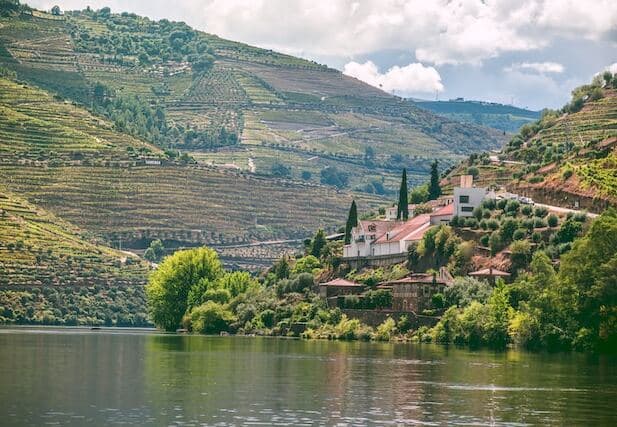
Today, Portugal’s low-density areas are becoming the true hidden gems, attracting expats, remote workers, and investors who value space, quiet, and an authentic way of life. The Golden Visa Program only adds to their appeal.
After Portugal removed the real estate investment option, the cultural donation route became the most affordable way to get a Golden Visa in low-density areas. Investors can benefit from the 20 percent discount on the investment threshold for specific routes, such as scientific research, cultural heritage support, and job creation projects.
In this article, we will list the best low-density areas in Portugal and compare them with the interior regions. We will also include a step-by-step guide for the application process.
Read more about:
Key Takeaways about Low-Density Areas in Portugal
- The Portugal Golden Visa program is one of the most popular Golden Visa programs of its kind, offering a streamlined route to Portuguese residency and potentially, citizenship.
- Investing in low-density areas in Portugal is one of the most attractive investment options because it offers lower investment thresholds, fewer restrictions, and access to regions with strong long-term growth potential.
- Investors get a 20 percent discount on cultural heritage donations (€200,000) and scientific research contributions (€400,000).
- Job creation requirements in low-density areas are lower: 8 new jobs are required instead of 10 in major cities.
- For peace and tranquility, top low-density areas include Monchique in the interior Algarve, Aljezur, the Alentejo, Central Portugal, and Northern Portugal.
- For tourism investments, the Alentejo and Douro Valley stand out, with Monsaraz and Marvão in Alentejo being ideal for boutique hotels, while Aljezur in the Algarve is increasingly popular for surf tourism and digital nomads.
What are low density areas in Portugal?
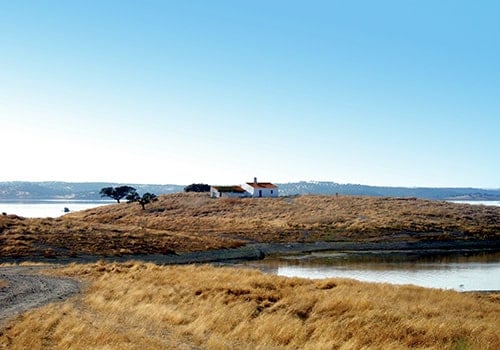
Portugal’s Golden Visa focused on these areas to promote regional development outside more densely populated regions, such as Lisbon, Porto, the Azores, and Madeira.
However, with the introduction of the Portugal Golden Visa changes in 2023, you can’t obtain residency by buying property. Portugal real estate investments for the Golden Visa, including in low-density areas, no longer qualify.
What that means is, low-density regions are no longer relevant for property-based Golden Visa applications, but they still offer significant advantages for other eligible routes, such as investment funds, scientific research, cultural heritage support, and job creation. More details on the investment fund pathway can be found in the Portugal Golden Visa Investment Fund guide.
The table below compares the Portugal Golden Visa low-density vs high-density areas:
Factor | Low-density areas | High-density areas |
Cultural heritage/arts investment amount | €200,000 | €250,000 |
Scientific research investment amount | €400,000 | €500,000 |
Job creation criteria | 8 new jobs | 10 new jobs |
Eligible locations | Interior regions, less populated areas, and smaller towns | Lisbon, Porto, Algarve coast |
Investment competition | Lower demand, less competition | High investor demand |
Project availability | Fewer qualifying projects | Wider range of options |
Cost efficiency | More affordable entry point | Higher capital required |
Strategic advantage | Optimized for residency and cost control | Strong lifestyle and liquidity appeal |
Best for | Investors focused on value and flexibility | Investors prioritizing location |
⚠️ Portuguese Nationality Law Update: May 2026
In May 2026, the Portuguese president approved the plans to increase the residency requirement for citizenship in Portugal from 5 to 10 years (or 7 years for CPLP and EU nationals). The new changes to the Portuguese nationality law must be published in the Diário da República before they take full effect.
Read the latest updates on the Portuguese Nationality Law.
Why invest in a low-density area?
Due to the country’s rising popularity as a travel destination, financial center, and hub for remote work, Portugal’s low-density areas offer a range of opportunities for investors and digital nomads.
Here is a quick look at some of the main benefits and financial rewards:
 Reduced investment threshold: By investing in Portugal Golden Visa low-density areas, you get a 20 percent discount on the standard investment. The minimum investment for cultural heritage or arts certified by GEPAC is €200,000 (reduced from €250,000), while for scientific research, the required investment amount is €400,000 (reduced from €500,000).
- Lower job creation: If you invest through the Portugal Golden Visa, focusing on low-density areas requires creating eight new jobs (reduced from 10 in high-density areas).
- Affordable property prices: While the national asking prices vary from €2,070 to €5,045 per square meter, low-density areas in Portugal provide a significantly lower entry point. You can find very affordable deals for houses, residential rehabilitation projects, or commercial real estate.
- High capital appreciation: According to data from Statistics Portugal (INE), the house price index increased by 17.7 percent year-on-year (YoY) in Q3 2025. Many low-density areas report strong annual price increases, such as Santarém, Beja, Portalegre, and Castelo Branco.
- Tourism growth: Low-density regions in Portugal are promising locations for residential and commercial properties, especially for eco-tourism, wellness, innovation, and luxury projects. Many interior areas are likely to experience tremendous tourism growth in the coming years.
- High quality of life: Low-density areas often have bigger homes, larger gardens, and open public spaces. There is less traffic, quieter streets, and more peaceful surroundings, which is harder to come by in crowded cities. On top of that, Portugal ranks as the seventh safest country in the world, based on the 2025 Global Peace Index.
- Pathway to permanent residency and citizenship: You can obtain European Union residency and enjoy visa-free travel across Europe and the Schengen Area. After five years of maintaining your investment and meeting all Portuguese nationality requirements, you can apply for Portuguese citizenship.
- Family reunification: Your immediate family members can be included in your Portugal Golden Visa application, and they can enjoy the same opportunity as you to live and work in the country. For more information on how to get Portuguese residency, check our ultimate guide.
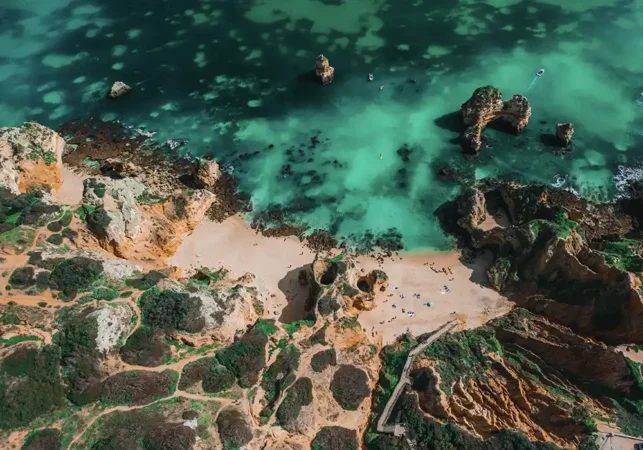 Reduced investment threshold: By investing in Portugal Golden Visa low-density areas, you get a 20 percent discount on the standard investment. The minimum investment for cultural heritage or arts certified by GEPAC is €200,000 (reduced from €250,000), while for scientific research, the required investment amount is €400,000 (reduced from €500,000).
Low-Density Areas vs. Interior Regions in Portugal
Although the Portugal Golden Visa low-density areas pathway is no longer an eligible route of the residency-by-investment program, interior and low-density areas in Portugal still present an attractive investment opportunity, such as the Douro Valley, Aljezur, and Peneda Gerês.
Each of these offers excellent, spacious properties that are very good value for money. You can find residential properties with a private swimming pool and large land for roughly €400,000.
Reselling Chances | Prices per m2 | Prices Fluctuation | Tourism Industry | Renting Returns | Tourism Returns | |
Peneda Gerês | Medium | Low | Low | High | Low | High |
Douro Valley | Medium | Medium | Low | Medium | Low | Medium |
Aljezur | High | High | Low | High | Medium | High |
Low-density areas
Low-density areas in Portugal are largely located in the interior regions and include parts of the Alentejo, Douro Valley, and the Algarve, amongst other municipalities and parishes. These areas are defined as territorial units (NUTS III) that have less than 100 inhabitants per square km or per capita GDP that is less than 75 percent of the national average.
When the real estate investment pathway of the Portugal Golden Visa program was still available, low-density areas determined whether a 20 percent discount rate was applicable to your investment or not.
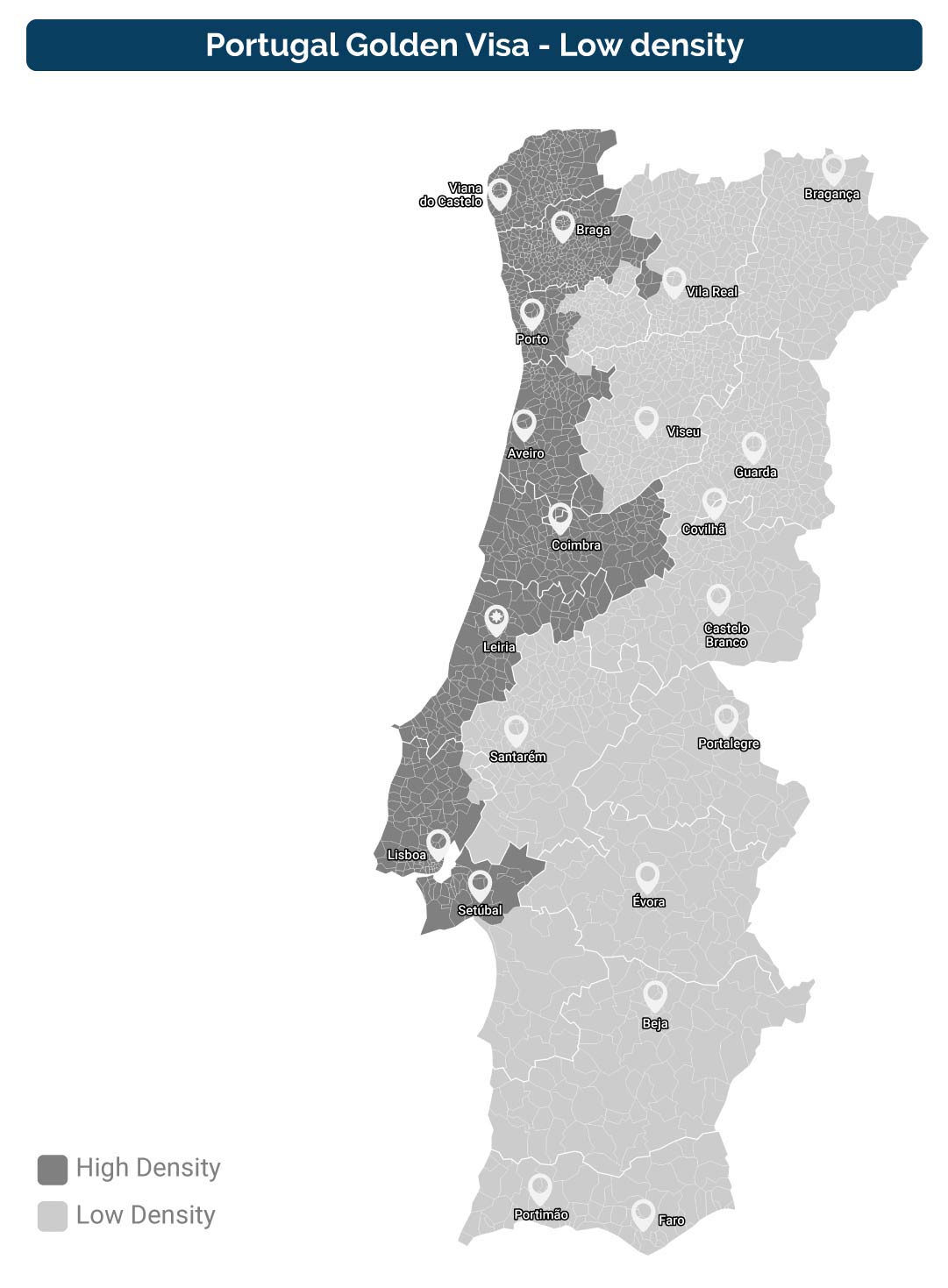
The map below outlines the Portugal Golden Visa low-density areas. The areas in light grey are the low-density areas, while those in dark grey fall outside the low-density zone.
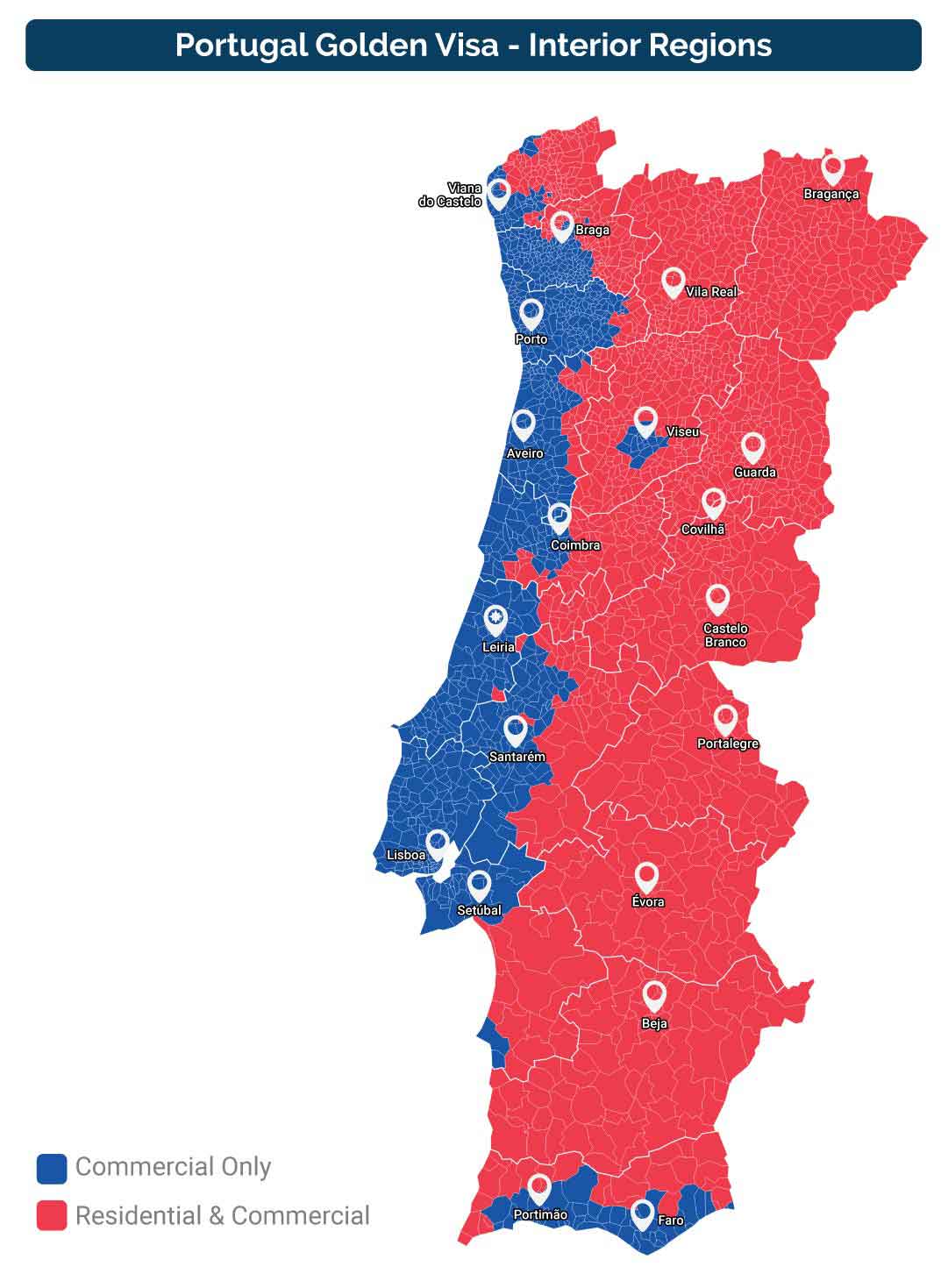
Interior areas of Portugal
Portugal’s interior areas are a specific list of low-density municipalities and parishes away from the coast and major cities like Lisbon, Porto, and Faro.
However, since the real estate investment option for the Golden Visa is no longer available, the interior regions are less relevant to new applicants than they used to be. Yet, they serve as a guide for where the country encourages non-residential development, such as eco-hotels or rural business centers.
Below is a map of Portugal’s interior regions.
Complete List of Low-Density Areas in Portugal
Abrantes | Aguiar da Beira | Alandroal |
Alcácer do Sol | Alcoutim | Alfândega da Fé |
Alijó | Aljezur | Aljustrel |
Almeida | Almodôvar | Alter de Chão |
Alvaiázere | Alvito | Ansião |
Arcos de Valdevez | Arganil | Armamar |
Arouca | Arraiolos | Arronches |
Avis | Baião | Barrancos |
Beja | Belmonte | Borba |
Boticas | Bragança | Cabeceiras de Basto |
Campo Major | Carrazeda de Ansiães | Carregal do Sal |
Castanheira de Pêra | Castelo Branco | Castela de Vide |
Castro Daire | Castro Marim | Castro Verde |
Celorico da Beira | Celorico de Basto | Chamusca |
Chaves | Cinfães | Constância |
Coruche | Covil | Crato |
Cuba | Elvas | Estremoz |
Évora | Fafe | Ferreira do Alentejo |
Ferreira do Zêzere | Figueira de Castelo Rodrigo | Figueiró dos Vinhos |
Fornos de Algodres | Freixo de Espada à Cinta | Fronteira |
Fundão | Gavião | Góis |
Gouveia | Grândola | Guarda |
Idanha-a-Nova | Lamego | Lousã |
Mação | Macedo de Cavaleiros | Mangualde |
Manteigas | Marvão | Meda |
Melgaço | Mértola | Mesão Frio |
Miranda do Corvo | Miranda do Douro | Mirandela |
Mogadouro | Moimenta da Beira | Monção |
Monchique | Mondim de Basto | Monforte |
Montalegre | Montemor-o-Novo | Mora |
Mortágua | Moura | Mourão |
Murça | Nelas | Nisa |
Odemira | Oleiros | Oliveira de Frades |
Oliveira do Hospital | Ourique | Pampilhosa da Serra |
Paredes de Coura | Pedrógão Grande | Penacova |
Penalva do Castelo | Penamacor | Penedono |
Penela | Peso da Régua | Pinhel |
Ponte da Barca | Ponte de Sor | Portalegre |
Portel | Póvoa de Lanhoso | Proença-a-Nova |
Redondo | Reguengos de Monsaraz | Resende |
Ribeira de Pena | Sabrosa | Sabugal |
Santa Comba Dão | Santa Marta de Penaguião | Santiago do Cacém |
São João da Pesqueira | São Pedro do Sul | Sardoal |
Sátão | Seia | Sernancelhe |
Serpa | Sertã | Sever do Vouga |
Soure | Sousel | Tábua |
Tabuaço | Tarouca | Terras de Bouro |
Tondela | Torre de Moncorvo | Trancoso |
Valpaços | Vendas Novas | Viana do Alentejo |
Vidigueira | Vieira do Minho | Vila de Rei |
Vila do Bispo | Vila Flor | Vila Nova da Barquinha |
Vila Nova de Cerveira | Vila Nova de Foz Côa | Vila Nova de Paiva |
Vila Nova de Poiares | Vila Pouca de Aguiar | Vila Real |
Vila Velha de Ródão | Vila Verde | Vila Viçosa |
Vimioso | Vinhais | Vouzela |
Top Popular Low-Density Areas in Portugal in 2026
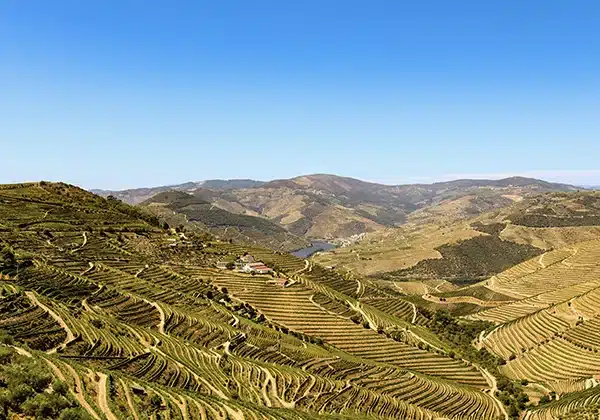 Buying property in Portugal, in particular low-density areas, can be a smart move. Below are some of the best low-density areas to invest in, with properties in these areas being much more affordable than in other parts of Portugal.
There is high potential for eco-tourism and upmarket and boutique tourism. Should you be seeking a calm place to relocate to, low-density areas offer a slower pace of life away from crowds and appeal to those seeking tranquility and a more relaxed lifestyle.
The best low-density areas in Portugal include:
- Alentejo: The breadbasket of Portugal, located to the North of the Algarve in Southern Portugal, is beloved by locals, known for its low population density and traditional way of life.
- Douro Valley: Known for its never-ending vineyards and stunning landscapes, the Douro Valley offers a tranquil, low-density environment.
- Algarve: While the coastal areas can be densely populated, inland areas are much quieter. Think places such as Castro Marim and Alcoutim in the east, or Vila do Bispo, or Aljezur in the west, which is such a great location for surfers, with beautiful beaches. Monchique in the center-north is also a top location.
- Other regions: Viseu, Évora, Santrarém, Leiria, Braga, Aveiro, Viana do Castelo, and parts of Coimbra are also good options, each with its own unique character. Serra da Estrela, home to the highest mountains in Continental Portugal, is the perfect place for nature lovers, where you can ski in the winter, while Ferreira do Zêzere in the Ribatejo Region is known for its tranquility and beautiful landscapes.
Want to know how to snap up a property in Portugal? Check out our ultimate guide

Step-by-Step Investor Decision Guide
To get the Portuguese Golden Visa, you need to make a qualifying investment, hold it for five years, and account for processing time. When submitting the application, we suggest you consult a lawyer or a Golden Visa consultant to collect the necessary documents.
Although submitting the Golden Visa application is relatively simple, the step-by-step guide below can minimize delays, offer thorough due diligence, and help you avoid common pitfalls.

- Collect the necessary documents: You will need to gather the paperwork for yourself and any eligible family members. The documents must be notarized, certified, or translated.
- Obtain a NIF and a local bank account: If you don’t have a Portugal NIF (Número de Identificação Fiscal), you will need to apply at a local tax office (Finanças) or through a legal representative. Before you make the eligible investment for the Golden Visa Program, you should set up a Portuguese bank account.
- Make your investment: Our team at GCS can begin securing your Portugal Golden Visa low-density investment. We can guide you through all the necessary paperwork required by the AIMA (Agência para a Integração, Migrações e Asilo).
- Online application: Your legal representative in Portugal files your application via the ARI Portal and walks you through all necessary documents.
- Pre-approval: Officials pre-approve your application if you satisfy all eligibility requirements.
- Biometrics visit: Once you book your interview, it usually takes about two months to attend your in-person Portugal Golden Visa biometrics appointment.
- Visa confirmation: Once AIMA approves your Golden Visa after biometrics, pay the government fee, and GCS will collect and send your residence cards to you.

Goldcrest: How We Can Help You
Goldcrest is the first buyer’s agent in Portugal. We provide expert, impartial advice on real estate investments and how to buy property in Portugal. From scouting out the perfect property through to property acquisition, we have you covered throughout the process.
Unlike traditional real estate agents in Portugal who represent the seller, we are dedicated exclusively to protecting the buyer’s interests.
If you are looking to purchase property in Portugal, don’t hesitate to get in touch. Our team of skilled experts is available to solve all your real estate doubts, helping you with the property search and offering insightful expertise and strategic advice.
Why choose Goldcrest?
- Local knowledge: With offices located across Portugal, our presence nationwide allows us to assist you personally across the country.
- Independent service: As an independent buying agent, we do not represent any development or project. Our service is entirely tailored toward each individual client, providing you with everything you need to secure the perfect property at the best possible price.
- Streamlined process: Our real estate agents speak English and Portuguese, and our service is completely focused on providing you with a hassle-free buying experience, saving you time. We can also help you buy property remotely.
- Experienced team: Our expert real estate team has a vast local knowledge of the Portuguese property market. We have cutting-edge technology and metasearch tools at your disposal to provide full market coverage, ensuring the best investment choices and negotiated prices.
- Network of partners: We have a close network of partners, including lawyers, property management services, builders, architects, designers, and landscape gardeners, again saving you time and hassle by providing you with trusted experts in their field of work.
Frequently Asked Questions about Portugal Low-Density Areas
What are the low-density areas in Portugal I can invest in?
Low-density areas in Portugal are those with fewer than 100 people /km² or a lower GDP per capita. The most popular investment options are Alentejo, parts of the Douro region, and some areas in the Algarve.
How much do I need to invest in a low-density area?
If you are looking at the Portuguese Golden Visa program for low-density areas, you can invest at least €400,000 in scientific research or €200,000 in cultural heritage or arts projects. But, the real estate investment option no longer qualifies.
Can I get residency if I invest in real estate in a low density area?
No, it is no longer possible to secure residency by investing in Portuguese real estate under the Portugal Golden Visa.
What is the least populated area in Portugal?
According to recent reports, the Alcoutim municipality, in the Algarve, has the lowest population density in the country, with about four residents per km2.
What is a Portuguese urban regeneration area?
Portugal urban rehabilitation projects and Portuguese urban regeneration areas contain buildings that are bought at relatively cheap prices, redone, and then rented out. These are key investment areas that can reap financial rewards, as you can generally expect high returns on your property investment.
How to qualify for the Portugal Golden Visa 280K EUR low-density investment option?
The real estate pathway of the Portugal Golden Visa program is no longer available, as per the program’s 2023 changes. This includes the Portuguese Golden Visa 280k Investment Option.

