Home » Living » Living in Faro: A Guide for Foreigners
Updated: July 30, 2026
Living in Faro has become an appealing option for expats who want the benefits of southern Portugal without the pressure of larger cities.
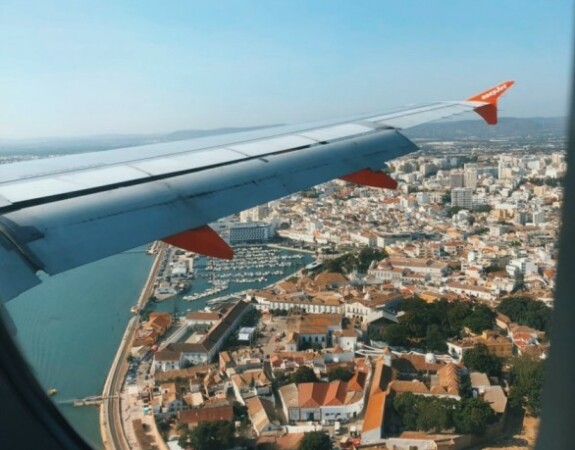
Living in Faro has become an increasingly attractive option for foreigners seeking the benefits of southern Portugal without the pressure, pricing, and pace of larger cities. As the administrative and transportation center of the Algarve, Faro operates as a working city rather than a resort.
It provides essential services, infrastructure, and employment opportunities while maintaining a slower, more manageable pace of life. This balance is one of the main reasons Faro continues to draw expats, remote workers, families, and retirees who are looking for a sustainable base rather than just a short-term getaway.
This guide is designed to provide a realistic picture of life in Faro, so you can determine whether the city genuinely aligns with your lifestyle and long-term plans, rather than relying solely on first impressions.
For many foreigners, Faro offers a strong balance between quality of life and practicality. Unlike resort-focused towns in the Algarve, Faro is a functioning city with year-round services, employment, healthcare, and education, which makes it suitable for long-term living rather than just seasonal stays.
It is generally considered safe, relatively affordable by Portuguese coastal standards, and easy to navigate on a day-to-day basis.
One of Faro’s main advantages is the close integration of urban life with nature. The city borders the Ria Formosa Natural Park, a protected lagoon and one of the best natural parks in Portugal, which influences everything from housing development to leisure activities.
Residents have quick access to walking and cycling routes, water sports, and open green areas, while Praia de Faro provides a full Atlantic beach environment within a short commute of the city centre. This proximity to nature is a key reason many people choose Faro over larger Portuguese cities.
From a lifestyle perspective, Faro is compact and largely walkable, with reliable public transport connecting neighbourhoods, the airport, and nearby towns. Daily essentials such as supermarkets, healthcare facilities, schools, and administrative services are concentrated within the city, reducing reliance on a car for most residents.
The presence of the University of the Algarve also brings an international and younger population, which supports a broader range of services, dining options, and cultural events throughout the year.
That said, Faro is not a perfect fit for everyone. Summers can be hot and dry, some areas experience increased crowds during peak tourist months, and parts of the city reflect older infrastructure, including uneven sidewalks.
Rents have also increased in recent years, particularly for well-located apartments. Overall, Faro is a good place to live for those seeking a calmer coastal city with solid infrastructure and access to nature, provided they are comfortable with a smaller urban scale and seasonal fluctuations.
What is the best area to live in Faro for expats?
The best area to live in Faro depends largely on lifestyle, budget, and how you plan to spend your time day to day.
Faro is not a large city, but its neighbourhoods differ meaningfully in terms of atmosphere, housing stock, noise levels, and proximity to services, schools, and transport links. Some areas appeal to short-term residents and students, while others are better suited to families, long-term expats, or retirees.
Rather than one standout “expat district,” Faro offers several distinct areas that attract foreign residents for different reasons. Below are the most commonly chosen neighbourhoods and what they are best known for.
Sé (Old Town/Cidade Velha)
The historic heart of Faro, Cidade Velha, appeals to expats who prioritise character, walkability, and cultural surroundings. Living here means cobbled streets, historic buildings, and immediate access to cafés, restaurants, and the marina. However, housing options are limited, parking is scarce, and prices tend to be higher relative to space. This area suits singles, couples, or part-time residents more than families.
São Pedro
São Pedro is one of the most practical choices for expats who want central living without the intensity of the Old Town. It offers a mix of apartments, shops, and services, with good walkability and access to public transport. Many foreign residents choose São Pedro for its balance of convenience and residential feel, making it a solid option for both long-term renters and buyers.
Montenegro
Located close to the airport and the beach road, Montenegro is popular with families and expats planning to stay long term. The area features newer apartment buildings and villas, quieter streets, and better parking availability. While it is less walkable than central Faro, it offers more space and easier access to Praia de Faro, making it attractive for those with cars or school-age children.
Gambelas and Penha
These neighbouring areas are closely linked to the University of the Algarve and attract a mix of students, academics, and international residents. Gambelas tends to be quieter and more residential, while Penha has a livelier, more urban feel. Rental prices are often more competitive here, but availability can fluctuate with the academic calendar.
Bom João
Bom João is a less tourist-oriented neighbourhood that appeals to expats seeking a more local experience. It offers good value for money, everyday services, and a calmer atmosphere, though it is slightly removed from Faro’s main social areas. This part of the city suits residents who prioritise space, affordability, and a quieter pace over proximity to nightlife or the waterfront.
How much does it cost to live in Faro?
The cost of living in Faro is generally lower than in Lisbon, Porto, and many other coastal cities in Western Europe, though prices have increased steadily in recent years — particularly for housing.
For most foreign residents, Faro still offers a relatively affordable lifestyle, especially when compared to other Algarve locations that are more tourism-driven.
Below is a realistic breakdown of the main monthly expenses for someone living in Faro long-term. Actual costs will vary depending on lifestyle, housing choice, and whether you live alone or as a couple.
Housing costs (rent)
Housing is the largest monthly expense and the area where prices have risen most noticeably.
One-bedroom apartment (city centre): approximately €640–€760 per month
One-bedroom apartment (outside centre): around €550–€650 per month
Three-bedroom apartment: typically €900–€1,500+ per month, depending on size and location
Utilities and internet
Utility costs in Faro are moderate by European standards but can fluctuate with air-conditioning use during summer.
Electricity, water, heating, cooling: roughly €75–€100 per month for an apartment
Internet and mobile plans: typically €30–€45 per month
Food and groceries
Groceries are generally affordable, especially when shopping at local markets and Portuguese supermarkets.
Groceries for one person: around €45–€60 per week
Monthly grocery spend (couple): approximately €350–€450
The table below gives an overview of the prices of basic food items:
Item
Price
Milk (1liter)
€0.81
Bread (500g)
€1.53
Rice (1kg)
€1.18
Eggs (12)
€1.93
Chicken (1kg)
€4.46
Apples (1kg)
€1.63
Water (1.5 liters)
€0.81
Dining out is also reasonably priced compared to larger cities:
Casual meal: €10–€15
Mid-range restaurant (two people): €40–€60
Transportation
Faro is compact, and many residents rely on walking and public transport rather than a car.
One-way bus ticket: under €3
Monthly public transport pass: around €38
Healthcare and insurance
Residents with legal status can access Portugal’s public healthcare system, with low out-of-pocket costs. Many expats also choose private health insurance for faster access.
Private health insurance: typically €40–€120 per month, depending on age and coverage
How to Live in Faro as a Foreign Citizen: Residence Permits and Visas
Depending on your country of origin, you will need different documents or require additional input from agencies before you can make your move.
Living in Faro as an EU citizen
As a European citizen, you can enjoy the freedom to travel, live, and work within the member states. Moving to another member state of the European Union (EU) won’t require a visa, eliminating potential paperwork.
After three months (before this period, you are considered a tourist), EU citizens will need to obtain a residence card to stay longer. You can apply for a residence permit from a local town hall, which should be a straightforward process.
You will also have to show that you have valid health insurance, get your national tax identification number (NIF), and prove that you’re financially independent, not relying on the Portuguese state for income.
iving in Faro as a non-EU citizen
As a non-EU citizen, expect a bit more bureaucracy and a few administrative steps before you can obtain a Portuguese residence card. It may seem long-winded and complicated, but help and support are at hand.
Our residency and citizenship division, Global Citizen Solutions has experts who can help you realize your dream of living in Portugal.
Living in Faro with the Portugal Golden Visa
Portugal’s Golden Visa program provides excellent opportunities for eligible candidates, and its residency-by-investment scheme is one of the most popular investment programs on the international market. A variety of investment options are available:
Investment funds (from €500,000)
An investment of €250,000 in support of the arts or the reconstruction of national heritage
A contribution to scientific research (from €500,000)
The Portugal Golden Visa gives you permission to stay in the country for up to five years. For a full list and more details of Golden Visa options, you can consult our Portugal Golden Visa: Your Ultimate Guide 2024.
Living in Faro with the D7 Visa
Making a substantial investment may not be a feasible option for some, so a good alternative for non-EU, non-EEA, and non-Swiss citizens is the D7 Visa. This route will give you access to residency in Portugal as long as you have enough income to sustain yourself here.
Income does not have to come from current employment; passive income such as a retirement fund or passive sources of income are also valid. The D7 Visa may also be an excellent option for remote workers and digital nomads. As long as you can prove that you earn at least €870 per month, you may be eligible to apply.
This option is especially attractive to digital nomads who want to benefit from warm weather, the affordable cost of living in Faro, and high quality of life.
Our comprehensive article and guide on Portugal’s D7 Visa will give you more details about this option, including the inclusion of dependents and attractive tax benefits.
What is daily life like in Faro?
Getting around
Getting around Faro and the Algarve is straightforward and, depending on your preferences, doesn’t have to cost a lot. Public transport is excellent and cheap, with a bus transfer from Faro airport to the city center costing €2.25 for a single ticket.
There are also plenty of intercity buses to explore other cities in the south of Portugal. Single fares per person are very affordable and below €10.
Car rentals are also readily available if you prefer more flexibility and freedom of travel. Alternatively, you can choose taxis or order an Uber as a more costly but comfortable option.
In addition, Uber and taxi drivers are often great sources of knowledge, giving you insider tips from locals.
Education in Faro
Portugal’s education system is excellent, and if your children don’t speak Portuguese yet, there are plenty of international schools in Algarve that cater to children from expat families from different nationalities. Schools teach in various languages and offer curricula from different countries, making the transition for young students a lot easier.
For older students, two out of three campuses of the University of the Algarve are located in Faro, offering a breadth of degrees and courses to study.
Shopping
Faro is a good place for shopping, with global brands and big shopping centers, as well as small, independent, and local stores. The latter offers bespoke and often traditional items, such as linen, pottery, and leather goods which support the local communities. Its most famous shopping center is Forum Algarve, which has plenty of stores and events for everyone.
Living in the Algarve also has the benefit of being able to shop in lots of local markets that sell fresh produce at reasonable prices. We recommend Faro Municipal Market, an excellent place to pick up fresh ingredients for the week.
Dining and nightlife in Faro
Dining and nightlife in Faro are best described as relaxed, local, and year-round rather than flashy or resort-driven. The city has a strong food culture rooted in the Algarve’s seafood tradition, with many small restaurants serving fresh fish, cataplanas, and simple Portuguese dishes at reasonable prices.
Nightlife is low-key but sociable, centred on bars rather than clubs, with a noticeable student influence during term time thanks to the university. While Faro does not offer the late-night club scene of larger cities, it appeals to residents who prefer informal evenings, walkable social areas, and a balance between dining out and a quieter daily rhythm.
Quality of healthcare in Portugal
Portugal’s healthcare is considered one of the best in Europe. Its national health service is publicly funded and accessible to expats if they have residency status. Alternatively, you can get private health insurance which is affordable and also very good. For more in-depth information on Portuguese healthcare, read our article on Portugal Healthcare: All You Need to Know.
Language
Although not an official language, English is widely spoken in Portugal, especially in cities and popular tourist destinations. However, once you have decided to relocate to Portugal, we recommend that you learn some Portuguese to get by. Locals welcome expats’ efforts to speak their native tongue, and you will have a more authentic experience when you can master the language.
Weather in Faro
Like most Mediterranean cities, Faro enjoys warm summers and relatively mild winters. In the summer, temperatures can reach over 30 degrees C (86 degrees F), whereas winter temperatures rarely fall below four degrees C (39.2 degrees F).
Whether you’re renting or own real estate in Faro, we’d recommend that you ensure the property is well insulated to prevent excessive heating bills during the colder months.
Festivals and attractions
Faro is a popular hub for festivals all year round, and you are sure to find plenty of events that pique your interest. Be it music festivals from a variety of genres, beach parties, theatre and film festivals, or food and drink events, Faro’s culture ensures there is something for everyone at any time of the year.
Faro is also home to many attractions that not only entice tourists but also locals and expats can enjoy.
The Old Town of Faro has multiple historic sites and buildings.
Carmo Church is best known for its small chapel made of human skulls and bones.
Faro Cathedral is located in Faro’s Old Town, and its origins date back to the middle of the 13th century
Museo Municipal de Faro is home to many archeological finds, some dating back to Roman times.
Palácio de Estoi, with its pink walls, white-gold domes, and Versailles-style gardens, is a must-see. You don’t have to rent a room to enjoy its splendor. The Museo Municipal de Faro is working together with the hotel to host special exhibitions in the reception area that honor the history and influences of Faro and the Algarve.
How safe is Faro for foreign residents?
Overall, Faro is considered a safe place to live, particularly by the standards of mid-sized European cities.
Violent crime is rare, and most safety concerns relate to low-level issues such as petty theft rather than serious incidents. For foreign residents, this means Faro generally offers a stable and predictable environment for daily life.
Areas such as São Pedro, Montenegro, and Bom João are widely regarded as calm and suitable for families and long-term residents, while the historic centre and marina remain safe but busier, especially during peak seasons.
Common safety considerations
Like most cities, Faro requires basic urban awareness rather than heightened caution. Typical points to keep in mind include:
Petty theft: Pickpocketing can occur in crowded areas, particularly during summer and around transport hubs, though it is far less common than in larger tourist cities.
Property security: Standard precautions such as locking doors and windows are sufficient in most residential areas.
Seasonal crowds: Summer tourism increases foot traffic in central areas, which can slightly raise nuisance-level incidents but not serious crime.
There are no neighbourhoods in Faro that are widely considered unsafe, and many foreign residents comment on seeing families, children, and older residents out in the evenings — a good indicator of overall security.
Portugal’s emergency services are reliable, and police presence in Faro is visible but unobtrusive. Response times for routine matters are reasonable, and serious incidents are uncommon. Foreign residents rarely report issues with local authorities, and interactions tend to be straightforward.
Buying or Renting a House in Faro as a Foreigner
Whether you choose to rent or invest in real estate depends on your personal circumstances. Below, we’ll introduce Faro’s real estate and rental market, bringing you one step closer to life in Faro.
Buying a home in Faro
The average asking price for property in Faro was €3,701 in 2024. Buying property in Faro follows the same rules for foreigners as in the rest of Portugal, and you can find a detailed guide to everything you need to know in our Three Key Essentials To Buying Property in Portugal guide. Buying real estate is safe and secure, and if you follow all our tips and advice, it should not cause any issues.
Faro offers properties for everyone, from studio apartments to townhouses, family homes, or luxury villas. Prices vary depending on the location, age, and quality of your new home, and we would always recommend seeking expert legal advice before committing to a property.
We highly recommend working with a real estate agent in Faro, or preferably a buyer’s agent, who will be able to help you discover your dream home and walk you through the buying process.
Renting a house in Faro
For a less permanent living solution, there are plenty of places to rent in Faro and its beautiful neighborhoods. For short-term options, Airbnb offers an ideal way to test your new surroundings without significant commitments.
For long-term rentals (more than one year), get in touch with Goldcrest, and we can help you find the property that meets your requirements, liaising with the landlord on your behalf.
Pros and Cons to Living in Faro
Living in Faro offers a high quality of life for many foreign residents, but like any city, it comes with trade-offs. While Faro is often praised for its safety, affordability, and access to nature, factors such as seasonal crowds, rising rents, and older infrastructure can influence day-to-day living.
Advantages
Relaxed lifestyle>
Access to quieter towns
Affordable cost of living
Reasonable property prices
Excellent weather
Great job opportunities
Cheap and reliable public transport and infrastructure
Close to an international airport
Fantastic healthcare
Plenty of things to do all year round
Close to other Algarve hotspots
Lots of golf courses are close by
English is widely spoken
Great place for digital nomads
Drawbacks
Lots of tourists during peak season
Some properties lack good insulation or central heating during the cooler winter months
Tip: If you are seeking a quieter part of the Algarve, living in Tavira and the Eastern Algarve could be the place for you. Vila Real de Santo António real estate, close to the border with Spain, could be an incredible, peaceful option.
Frequently Asked Questions about Living in Faro as a Foreigner
Is Faro a good place to live?
Living in Faro is excellent, no matter your circumstances. With a thriving job market, mild climate, beautiful surroundings, vibrant culture, and low cost of living, Faro’s versatile lifestyle is highly sought after.
Where do most expats live in Faro?
Most expats live in one of Faro’s neighborhoods because they are central and there are plenty of things to do. During the summer months, Faro sees an influx of tourists, so some expats prefer to live a little outside Faro’s center.
Is Faro Portugal cheap to live in?
Compared to most other European cities, Faro is an affordable and relatively cheap place to live in. Most expats live comfortably on a smaller budget, enjoying Portugal’s relaxed and comfortable lifestyle.
Related Articles
Portugal’s Coolest Hotspots: 7 Underrated Areas Investors Are Watching
We use cookies to ensure that we give you the best experience on our website. Our Terms and Conditions
Functional
Always active
The technical storage or access is strictly necessary for the legitimate purpose of enabling the use of a specific service explicitly requested by the subscriber or user, or for the sole purpose of carrying out the transmission of a communication over an electronic communications network.
Preferences
The technical storage or access is necessary for the legitimate purpose of storing preferences that are not requested by the subscriber or user.
Statistics
The technical storage or access that is used exclusively for statistical purposes.The technical storage or access that is used exclusively for anonymous statistical purposes. Without a subpoena, voluntary compliance on the part of your Internet Service Provider, or additional records from a third party, information stored or retrieved for this purpose alone cannot usually be used to identify you.
Marketing
The technical storage or access is required to create user profiles to send advertising, or to track the user on a website or across several websites for similar marketing purposes.












 The average asking price for property in Faro was €3,701 in 2024. Buying property in Faro follows the same rules for foreigners as in the rest of Portugal, and you can find a detailed guide to everything you need to know in our Three Key Essentials To Buying Property in Portugal guide. Buying real estate is safe and secure, and if you follow all our tips and advice, it should not cause any issues.