


Updated: August 13, 2026
Most people think that real estate investment is simple: Buy a property, rent it out, and wait for the prices to go up. But what if you could create multiple returns with a single asset?
For foreign investors, real estate investment in Portugal can combine five unique drivers in one asset: Physical asset backing, currency diversification, rental income generation, capital recycling, and market positioning.
When investing in Portugal, here are the right strategies to revamp your real estate returns.
1. Physical Asset Backing
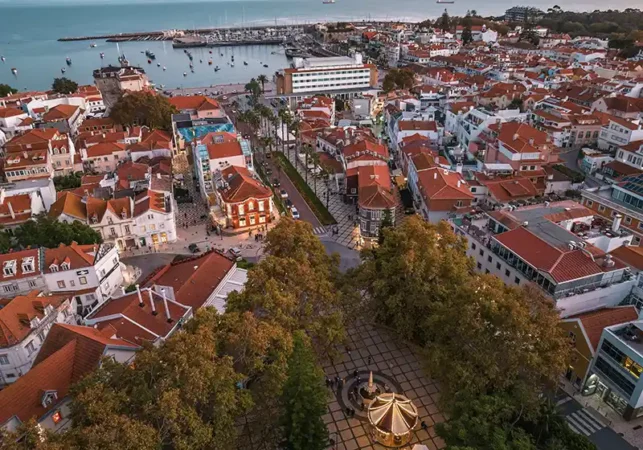 Real estate investment in Portugal is tied to a physical asset with strong demand. For example, hotels, coworking spaces, offices, residential properties, and tourism infrastructure are all physical assets you could use to your advantage.
In Portugal, this becomes even more relevant because the country has been pulling in more international investment, especially in areas linked to tourism, infrastructure, and services.
For example, you’ll see foreign capital flowing into coastal apartments for short-term rentals, hotel developments in Lisbon and Porto, and mixed-use projects that combine retail, living, and leisure spaces.
The Portuguese property market offers political stability, year-round tourism, a strong start-up ecosystem, and a booming economy.
Hard asset ownership doesn’t tie you to a single home or rental unit. It can extend into hospitality assets, commercial buildings, or income-generating developments that benefit from long-term economic and demographic trends. That being said, commercial real estate investment in Portugal is booming, reaching €911 million in Q1 2026.
2. Currency Diversification

If the euro gains strength against the US dollar, your investment becomes more valuable when converted back into dollars, even if house prices in Portugal haven’t changed significantly.
For example, a luxury villa you bought for €800,000 could be worth more in dollar terms later simply because of exchange rate changes.
Of course, currency shifts can also move the other way and reduce your returns. But this type of moderate risk is something every investor should expect.
3. Rental Income Generation
 Every property market has long-term and short-term investments. But if your real estate produces income on a steady basis, then you get the upper hand.
In Portugal, you can diversify your investments in many different ways. The country thrives with serviced apartments, hospitality properties, and commercial spaces linked to tourism, retail, and services.
There is constant demand from international visitors, which causes the price to go up faster than for standard long-term rentals. For example, investing in beach properties near Porto or a small hotel in a tourist hotspot like the Algarve can give you year-round income.
For investors, these types of properties provide recurring liquidity, rather than waiting for prices to go up before selling.
Take a look at our guide on everything Algarve real estate investment has to offer

4. Capital Recycling
Rental income doesn’t just sit there. You can recycle it back into new investments, use it to pay down existing debt, or redirect it into other opportunities as they appear.
For example, you can earn money from the property, like rent, and then reinvest that money. This way, your returns start generating returns of their own over time.
5. Market Positioning

When you look at the Algarve short-term rental vs long-term rental markets, the differences really come down to yield stability, demand drivers, and capital appreciation potential.
For example, the exclusive Golden Triangle, which includes luxury resorts such as Vilamoura, Almancil, Quinta do Lago, and Vale do Lobo, Alojamento Local (AL) properties offer superior yields during the peak summer season.
On the other end, long-term rentals in Lisbon, Porto, and emerging lifestyle hubs like Ericeira can give you steadier occupancy and more predictable income flows.
For example, Ericeira has become a standout micro-market because it combines surf tourism, remote-work relocation, and a limited housing supply. As a result, the Ericeira real estate market offers both consistent rental demand and long-term capital appreciation.
For more details about the country’s economic forecasts, check our article on Portugal’s long-term economic outlook.
Goldcrest: How We Can Help You
Goldcrest is the first buyer’s agent in Portugal. We provide expert, impartial advice on real estate investments and how to buy property in Portugal. From scouting out the perfect property through to property acquisition, we have you covered throughout the process.
Unlike traditional real estate agents in Portugal who represent the seller, we are dedicated exclusively to protecting the buyer’s interests.
If you are looking to purchase property in Portugal, don’t hesitate to get in touch. Our team of skilled experts is available to solve all your real estate doubts, helping you with the property search and offering insightful expertise and strategic advice.
Why choose Goldcrest?
- Local knowledge: With offices located across Portugal, our presence nationwide allows us to assist you personally across the country.
- Independent service: As an independent buying agent, we do not represent any development or project. Our service is entirely tailored toward each individual client, providing you with everything you need to secure the perfect property at the best possible price.
- Streamlined process: Our real estate agents speak English and Portuguese, and our service is completely focused on providing you with a hassle-free buying experience, saving you time. We can also help you buy property remotely.
- Experienced team: Our expert real estate team has a vast local knowledge of the Portuguese property market. We have cutting-edge technology and metasearch tools at your disposal to provide full market coverage, ensuring the best investment choices and negotiated prices.
- Network of partners: We have a close network of partners, including lawyers, property management services, builders, architects, designers, and landscape gardeners, again saving you time and hassle by providing you with trusted experts in their field of work.
Frequently Asked Questions about Investing in Portugal
Is investing in Portugal a good idea?
Investing in Portugal offers a stable and growing environment, mainly in real estate, technology, renewable energy, and tourism. This is a top-rated EU country for investment thanks to its high quality of life, skilled workforce, and welcoming immigration policies.
What is the best strategy for investing in Portuguese real estate?
In Portugal, you can diversify your real estate investment in five ways: Hard asset ownership, currency diversification, income liquidity, capital recycling, and market positioning.
What is the riskiest real estate strategy in Portugal?
The riskiest real estate strategy is opportunistic investing. It means you’re either building a property from the ground up or buying a building that is in very bad condition and needs major repairs. It is risky because investors expect high returns, often above 20 percent, but it can take a long time before it becomes profitable.
What is the safest real estate investment in Portugal?
Lower-risk real estate investments in Portugal often include Real Estate Investment Trusts (REITs) and residential rental properties in urban and suburban areas. These options tend to have lower risks, such as high liquidity (REITs) and steady cash flow (rentals).
But keep in mind that no property investment is 100 percent safe. Risks are common, especially with market fluctuations, changes in interest rates, tenant vacancies, and unexpected renovation/maintenance costs.
What are the legal steps to buying real estate in Portugal?
Purchasing real estate is relatively straightforward with no restrictions on foreign ownership. The process includes:
- Getting a Portuguese tax number (NIF)
- Opening a Portuguese bank account is recommended
- Choosing a property, usually with the help of a buyer’s agent or a property finder in Portugal
- Performing due diligence with a local layer
- Signing the promissory contract (CPCV) with a 10-20 percent deposit
- Signing the final deed (Escritura) and registering the property with the land registry
What taxes and fees do you pay for Portugal real estate investments?
The main costs include property taxes in Portugal, such as the IMT (Property Transfer Tax) and stamp duty (Imposto do Selo), alongside Notary and registration fees. Together, they can add an additional 6 to 10 percent to the property price.
