Buying Property in Porto, Portugal, in 2026: Your Ultimate Guide
Artur Saraiva |Global Residency Strategy Director|
Updated: June 8, 2026
Home » Investment » Buying Property in Porto, Portugal, in 2026: Your Ultimate Guide
Updated: June 8, 2026
Porto is the second-largest city in Portugal, and a top choice for those who want more affordable housing options than in Lisbon. This beautiful city lies along the Douro River, about 3 km (2 miles) from where the river meets the Atlantic Ocean.
Buying property in Porto attracts local and foreign buyers interested in the stunning views of the Douro Valley, historic architecture, world-famous Port wine, and streets decorated with traditional blue-and-white ceramic tiles.
If you are looking for a suitable property in the Porto District, then you are in the right place. In this guide, we will take a closer look at the average prices of Porto’s real estate market, the best places to invest, the buying process, and more.
Key Takeaways about Buying Property in Porto, Portugal
Porto is an attractive option for property buyers drawn to the legendary Port wines, the Douro River waterfront, and spectacular panoramic views from vantage points (miradouros).
Property prices in Porto stand at €4,895 per m2 in the city and €4,052 in the Greater Porto Area.
The average rental yields in the Porto Metropolitan Area are 5.8 percent, while in the Portuguese city, they can reach 5.4 percent.
The buying process for foreigners is straightforward, requiring a Portuguese tax number (NIF), securing financing (if desired), signing a Promissory Contract (CPCV), and completing the transaction with the final deed (Escritura).
Factor in property taxes, including IMT (0-8 percent), Stamp Duty (0.8 percent), and annual taxes, which includes IMI (0.3 to 0.8 percent).
Some of the most popular neighborhoods for US buyers are Foz do Douro, Vila Nova De Gaia, Ribeira, and Bonfim.
Is buying property in Porto, Portugal, a good idea?
Yes, buying property in Porto remains a good choice for many foreign investors. The city offers a range of property types for sale, from affordable modern apartments in up-and-coming areas to luxurious villas along the stunning beaches of the Atlantic Ocean.
The Portuguese Trade & Investment Agency (AICEP) reported that foreign direct investment reached €13.2 billion in 2024, with €3.5 billion of that amount allocated directly to real estate. During that period, international buyers made up around 27 percent of the total foreign direct investment (FDI) in the country.
Here are several other reasons why buying property in Porto, Portugal, is a smart move.
Affordability: Porto’s property market provides a lower entry point than Lisbon city and other Western European cities, such as London, Paris, and Madrid. You can save on utilities, rent prices, and overall monthly expenses while enjoying life in a big city.
Strong demand: According to Statistics Portugal (INE), the Municipality of Porto recorded a 3.8 percentage point increase in the year-on-year house price growth rate from Q3 to Q4 of 2025. The city center and surrounding districts offer buyers the opportunity to benefit from capital appreciation in both residential and commercial properties.
High quality of life: Porto is a very safe city with low rates of violent crime. A property owner enjoys easy access to all the amenities, quality healthcare, and many international schools in Porto.
Different options: The city and the surrounding area have different types of properties, from contemporary apartments, luxury villas, affordable houses, to new buildings, and renovation projects. You can find a suitable Porto property for sale based on your budget.
Rental income: Porto is a popular tourist destination and a key location for expats and digital nomads. The average rental yield of 5.8 percent provides buy-to-let property owners with a steady source of income.
Can foreigners buy property in Porto?
Yes, as a foreigner, you can definitely buy property in Porto. Portugal has an open-door policy, meaning it imposes no restrictions on foreigners who wish to purchase residential or commercial properties.
The process begins by obtaining a Portuguese tax number (NIF) in person at a local tax office or online. The NIF is your personal nine-digit tax ID, also known as Número de Identificação Fiscal. You will use it for simple, everyday transactions, such as buying property, paying taxes, or opening a Portuguese bank account.
Note: It’s highly recommended to consult with local real estate agencies when searching for properties, given the fragmented nature of the property market. Also, consulting with an experienced real estate lawyer in Porto can help prevent any potential legal issues.
Porto's Property Market: Average Property Prices and Rental Yields
Whether you want to buy a dream home, a vacation villa with a swimming pool, or a buy-to-let investment opportunity, Porto’s real estate market has excellent values, strong capital appreciation, and stable rental yields of about 5.8 percent.
In recent years, house prices in Portugal have been growing quickly, which makes Portugal’s real estate market more competitive for local and international investors. To put it into perspective, the House Price Index (HPI) saw a 18.9 percent year-over-year (YoY) in Q4 2025.
Buying a house in Porto costs about €4,052 per square meter in the Greater Porto area, while in the city itself, costs reach €4,895 per square meter. However, the average asking prices vary based on the area and the neighborhood you want to invest in.
Here are the average property prices in Porto’s Metropolitan Area:
Porto's Metropolitan Area
Average property price /m2
Foz do Douro
€7,041
Matosinhos
€4,171
Ribeira
€5,350
Vila Nova De Gaia
€3,868
Bonfim
€5,372
Paranhos
€3,974
Campanhã
€3,746
In addition to the high values of Portugal’s real estate market, there are more compelling reasons international investors turn to Porto: The variety of property types for sale and the Baroque, neoclassical, and modern architectural styles.
From the traditional houses in rural areas to the penthouses with panoramic views, historic apartments, and luxury villas with private pools – Porto has something for every budget. Porto District and the Portuguese city itself can provide long-term investment opportunities for those seeking to rent out their property.
That being said, about 60 percent of Porto homes are purchased off-plan or at the beginning of construction. Buyers are purchasing new properties as soon as they are listed, due to the high demand, restricted supply, and potential for capital appreciation.
Here are the average rental yields for Porto’s real estate market:
Porto's Metropolitan Area
Average rental yield (in percentage)
Foz do Douro
5
Matosinhos
5.4
Ribeira
5.8
Vila Nova De Gaia
5.6
Bonfim
5.8
Paranhos
5.2
Campanhã
6.9
Best Places to Buy Property in Porto
Discover some of the best neighborhoods and areas to purchase properties in or around Porto. From the winding cobblestone streets in the center to Foz do Douro on the coast, there is an array of beautiful spots to consider.
1. Foz do Douro
Foz do Douro is the perfect neighborhood for expats who prefer scenic walks on stunning beaches like Praia da Luz and property buyers seeking luxury apartments and homes in a quiet area. It is a modern yet quaint neighborhood with a coastal town vibe, situated just a few kilometers away from the hustle and bustle of Porto’s historic city center.
Foz do Douro is the perfect quaint suburb for families or property buyers looking for a tranquil location with spacious properties. It is also one of the most popular locations for retirement homes in Portugal, due to the variety of facilities available.
2. Matosinhos
Just a short twenty-minute drive northwest of Porto lies Matosinhos, a coastal city renowned for its stunning beaches like Praia de Matosinhos and Praia de Leça da Palmeira. Matosinhos offers an enticing blend of accessibility and affordability in its housing market.
Recent investments in urban renewal in Matosinhos have elevated the city’s livability, making it a prime choice for families and retirees. From townhouses nestled in vibrant neighborhoods to luxurious modern villas and traditional homes, Matosinhos offers a diverse range of residential options.
3. Ribeira
Ribeira is a great choice for both residential and commercial properties due to its massive tourist appeal. Nestled along the picturesque Douro River, Ribeira embodies Porto’s medieval essence, making this historic neighborhood a coveted spot for property buyers. Its vibrant streets showcase colorful waterfront homes, historic buildings, and quaint alleyways leading to hidden squares and traditional eateries.
With iconic landmarks like the Dom Luís I Bridge and Porto Cathedral nearby, Ribeira offers a unique blend of historic charm and scenic beauty, making it an ideal choice for housing for digital nomads and young professionals seeking a combination of culture and modern amenities.
4. Vila Nova de Gaia
Home to Porto’s most iconic wine houses on the waterfront of the Douro River, Vila Nova de Gaia offers residents excellent wine, fine gastronomy, rich cultural heritage, and properties for rent or sale with scenic views of the Atlantic Ocean. Vila Nova de Gaia is the perfect area for a property investment opportunity or expats seeking a relaxed lifestyle, offering Porto-style coastal luxury.
Vila Nova de Gaia is also home to several excellent beaches and green spaces, such as the Parque Biológico, making it an ideal destination for outdoor enthusiasts. Its growing infrastructure and proximity to central Porto add to its appeal for both families and professionals.
5. Bonfim
Situated in downtown Porto, Bonfim has transformed into a vibrant area, making it the perfect spot to purchase properties in Porto for long-term rentals and short leases, thanks to the lively town’s cultural attractions.
Although not a very central location, Bonfim is an excellent place to consider buying Portuguese property. What were once commercial properties are now unique living spaces presenting enticing investment opportunities and living experiences along the Douro River.
6. Paranhos
Paranhos is a beautiful parish and a neighborhood in the city of Porto, Portugal. With a population of over 44,000, it covers 7.17 km² and is known for its urban residential, commercial, and educational areas.
Paranhos has many popular landmarks, such as the Areosa Church, several faculties of the University of Porto (Universidade do Porto), and the large Hospital de São João. Expats gravitate toward Paranhos for its large, multicultural community.
Paranhos is a prime location in Porto’s property market. International buyers often prefer to rent their properties to students for a steady income.
7. Campanhã
Campanhã is a lively civil parish in downtown Porto and the most popular transportation hub. Here, you can find the Campanhã railway station, which is a mainline in Porto’s Metropolitan Area.
With a population of around 32,000, Campanhã is popular among property buyers who want a local yet bustling atmosphere and a base for travel to Porto and the surrounding areas.
Campanhã offers opportunities for those seeking affordable house prices and promising returns, with a great selection of old houses and commercial spaces available for restoration. Some of the best attractions in Campanhã are the Parque de são Roque, local museums, and historic estates (quintas).
Check out ultimate guide to Porto real estate investment
Housing costs in Porto are roughly 30 percent lower than those in Lisbon.
In Porto’s Metropolitan Area, the average asking price for a house is €4,052 per square meter, and €4,895 per square meter in Porto City.
To put it in perspective, the median house costs in Lisbon city are €7,086 per square meter. When it comes to rental prices, the median monthly expenses are 20.7 percent cheaper than in Lisbon.
That means, if you rent a one-bedroom apartment €1,078 to €1,398, while a three-bedroom flat can set you back between €1,723 and €2,581.
Studios are more affordable compared to the capital city, costing about €850 to €1,000 per month in central Porto or €680 to €800 in the outer areas. If you want to search for a property for sale in Porto, you can consult with a property professional to research the local area and find a dream home that suits your needs.
Here are the average costs in the Porto, Portugal, property market.
Location
Average property price /m2
Average apartment costs /m2
Average house or villa costs /m2
Porto Metropolitan Area
€4,052
€4,253
€3,070
Porto City
€4,895
€4,941
€4,504
Additional property purchase costs
When buying property in Portugal, buyers should consider various one-off costs. The associated costs include property registration expenses and expert fees. Here’s a quick breakdown:
Legal fees: €2,000 to €5,000, depending on factors such as the type of property, its price, the complexity of the purchase, and the lawyer’s level of experience.
Land registry fee: A fee of €200 to €250 is usually required.
Notary fees: Budget around €500 to €1,000 for notary fees.
Book a complimentary call to discuss your options with our team of experts today.
How to Buy Property in Porto as a Foreigner: Step-by-Step Guide
The legal requirements for foreigners buying property in Porto start with obtaining a Portuguese tax number (NIF, Número de Identificação Fiscal) from the local tax office, a citizens’ shop, or online via a fiscal representative, such as Global Citizen Solutions.
For non-EU citizens, a fiscal representative in Portugal is mandatory. Applying for a NIF in person is free at a Portuguese tax office (Finanças), and you can receive your NIF number the same day or in 5 to 10 business days through online applications.
Here is a more detailed step-by-step guide to the property buying process in Porto, Portugal.
Get your NIF number: Your Portuguese tax ID (NIF) is required for all fiscal transactions, including buying property, setting up utilities, and opening a Portuguese bank account. Setting up a local bank account is not mandatory, but it can help you mitigate the transaction costs.
Secure financing: Calculate your finances and figure out whether you need to take out a mortgage to cover the various property costs. To purchase a property, you can prove your financial means through mortgage agreements, pension statements, proof of income, savings, and other sources.
Research and view properties: Research properties for sale in Porto on listing websites or hire a real estate agent or a buyer’s agent like Goldcrest to find properties in Portugal.
Make an offer and negotiate: Submit your offer to the property seller and negotiate prices, or allow a buyer’s agent to negotiate on your behalf.
Due diligence: Hire a real estate lawyer (optional) to perform a thorough due diligence. For example, they can check the property’s legal status by requesting an official property record (Certidão Permanente) from the Land Registry, confirming that the property complies with the Local Urban Plan (Plano Director Municipal, PDM) and has all required building permits and licenses, among others.
Sign the Reservation Agreement and the CPCV: Take the property off the market with the Reservation Agreement (Contrato de Reserva) and sign the Promissory Contract (CPCV, Contrato Promessa de Compra e Venda) with a 10 to 20 percent deposit to protect your interests and prevent the seller from backing out.
Sign the Escritura(final deed): Sign the property deed in front of a Notary and pay the remaining balance to become the official owner.
Register the property: Wait for the Land Registry (Conservatória do Registo Predial) to register the property in your name and with the Portuguese tax authorities (Autoridade Tributária).
Mortgages in Porto – What Are Your Financing Options?
Getting a mortgage in Portugal involves approaching banks or mortgage agents for an initial estimate. The maximum amount you can borrow is determined by the loan-to-value (LTV) ratio, which is the ratio of the loan amount to the value of the property pledged as collateral.
In Portugal, fiscal residents can have an LTV of up to 90 percent for their primary residence or permanent home and up to 80 percent for a secondary or holiday home. It is important to note that this ratio is based on the lower value of either the purchase price or the bank’s appraisal value.
In comparison, for non-residents in Portugal, the maximum loan-to-mortgage ratio is 65-75 percent of the property’s value, but this can vary depending on the bank.
There are a variety of Portuguese banks that offer mortgage options for international buyers. Some popular banks in Portugal include Millennium BCP, Novo Banco, Banco BPI, and Banco Santander Totta.
Types of mortgages
Fixed-rate mortgage: The interest rate and monthly payment are locked for the entire term or a fixed initial period. Offers total budget security.
Variable rate mortgage: The rate fluctuates with the Euribor index, resulting in periodic changes to your monthly payment. Can be lower initially, but carries risk.
Mixed rate mortgage: Starts with a fixed rate for an initial term, like 5 to 10 years, then automatically switches to a variable rate. Balances early stability with long-term flexibility.
Financial planning and budgeting
Foreign property buyers in Porto, Portugal, can benefit from creating a detailed budget. For example, we suggest you take into account all the potential expenses, such as the one-time and annual property taxes, legal fees, Notary, and registration fees. With a clear financial plan, you can get a better estimate of the total costs when finding properties for sale in Porto and make a smart long-term investment.
How much tax do I pay when buying a property in Porto?
It’s essential to understand property taxes when buying a house in Porto. Below, we will briefly explain the applicable property taxes for property acquisition and ownership in Portugal.
Municipal Property Tax (IMI)
The IMI (Municipal Property Tax) is an annual tax whose amount is determined by the municipality where the property is located. The rates range from 0.3 to 0.45 percent of the Tax Asset Value (VPT) for urban properties (sometimes going as high as 0.5 percent) and up to 0.8 percent for rural properties.
Property Purchase Tax (IMT)
The IMT (Municipal Tax on Onerous Transmissions of Real Estate), also referred to as the Property Transfer Tax, is a transfer tax levied over the purchase price of the Portugal property. The IMT is different for every property, based on the type, location, and purchase price.
For example, the IMT tax ranges from 0 to 7.5 percent. For rural properties, it is 6.5 percent, and for properties owned by offshore entities, it is 10 percent.
The Stamp Duty (Imposto do Selo) is an additional transaction tax that the Portuguese state charges for real estate transfers. Regarding property, this amounts to 0.8 percent of the deed’s total value and must be paid at the time of purchase.
AIMI (Additional to IMI)
Additional to IMI (AIMI) is a post-purchase tax that applies to property worth more than €600,000. AIMI can be calculated as follows:
For property values of €600,000 to €1 million, a 0.7 percent tax rate is applied.
For property values above €1 million to €2 million, a 1 percent tax rate is applied.
For property values above €2 million, a 1.5 percent tax rate is applied.
Capital Gains Tax
Capital gains refer to the profit from the sale of property that may be subject to taxation. When you sell your Portuguese property, you must submit the property’s purchase details to the tax authorities for a capital gains assessment. You may be exempt from capital gains tax if you reinvest the total selling price in a new home.
Many foreign buyers struggle to navigate Portugal’s property market. Compared to other countries, like the United States, Portugal doesn’t have a single website listing every property available for sale. Instead, buyers should check multiple websites to get a better picture of what’s on the market. Seeking professional assistance can streamline the process, save you time, hassle, and money in the long run.
Real estate agent or buyer’s agent: Navigating Porto’s housing market is much easier if you have an experienced real estate agent in Porto or a buyer’s agent to guide you through the buying process. A real estate agent often works for the seller. They can offer marketing services, help find properties, and provide local market insight. A buyer’s agent, representing the buyer, can negotiate prices, find off-market properties, and navigate the entire buying process. They work on behalf of the buyer.
Real estate lawyer: Engaging a proficient lawyer is crucial when buying property in Porto, Portugal. They are instrumental in safeguarding your Porto property and ensuring a smooth transaction. An experienced lawyer is crucial for conducting thorough due diligence, drafting contracts, and ensuring compliance, thereby facilitating a secure and hassle-free acquisition process.
Living in Porto
Living in Porto comes with both benefits and challenges. It offers rich culture, beautiful scenery, good healthcare, and a growing expat scene. The cost of living is reasonable compared to other Western European cities.
On average, a single person’s monthly costs in Porto without rent are estimated to be over €700, while for a family of four, this would be €2,560 per month. But, housing prices are rising, the weather can be rainy in winter, and Portuguese bureaucracy can be slow.
For international buyers, it is crucial to note that owning property does not give you legal residency. To live in the country permanently, you will need a Portuguese residency visa or a permit.
EU/EEA/Swiss citizens can live freely in Portugal. They do not require a visa, but if they intend to reside in the country for more than three months, they must apply for a Registration Certificate (Certificado de Registo) at their local town hall. If you are an EU national, you will simply need to register at your local town hall after three months of living in Portugal.
Although the option to obtain a Golden Visa through property purchases was abolished, the visa still exists. You can choose from various eligible routes, including investment funds, scientific research, business ventures, or company capitalization. The most affordable routes are job creation or investing in arts and cultural heritage.
Common Pitfalls When Buying Property in Porto
Buying property in Proto as a foreigner can be a rewarding investment. But there are common pitfalls that could set you back, whether you are a seasoned investor or a first-time buyer. These include:
Buying properties without a license: The real estate market can be risky if you don’t know the property laws. For example, to live in a property, it must have a habitational license (Licença de Habitação), while to perform any major renovations, extensions, or repairs, you need a building permit (Licença de Obras or Alvará de Construção). If you want to invest in a property that you can later rent as a vacation rental for short-term renting, then that property needs an Alojamento Local (AL) license.
Multiple sales fraud: In Portugal, a seller doesn’t need to provide a notice of sale to the title registry. That means, they can sell the property to multiple buyers, which can cause legal disputes. That is why we often suggest buyers sign promissory agreements to obtain some legal protection.
Not seeking legal or professional help: When buying property in Porto, it is not mandatory to hire a lawyer, but they can be very beneficial for checking the legal status of a property, drafting legally binding agreements, and finding any laws or local restrictions. To find any issues with the property’s structure, utilities, or land, we suggest you work with a property surveyor in Portugal.
Goldcrest: How We Can Help You
Goldcrest is the first buyer’s agent in Portugal. We provide expert, impartial advice on real estate investments and how to buy property in Portugal. From scouting out the perfect property through to property acquisition, we have you covered throughout the process.
Unlike traditional real estate agents in Portugal who represent the seller, we are dedicated exclusively to protecting the buyer’s interests.
If you are looking to purchase property in Portugal, don’t hesitate to get in touch. Our team of skilled experts is available to solve all your real estate doubts, helping you with the property search and offering insightful expertise and strategic advice.
Why choose Goldcrest?
Local knowledge: With offices located across Portugal, our presence nationwide allows us to assist you personally across the country.
Independent service: As an independent buying agent, we do not represent any development or project. Our service is entirely tailored toward each individual client, providing you with everything you need to secure the perfect property at the best possible price.
Streamlined process: Our real estate agents speak English and Portuguese, and our service is completely focused on providing you with a hassle-free buying experience, saving you time. We can also help you buy property remotely.
Experienced team: Our expert real estate team has a vast local knowledge of the Portuguese property market. We have cutting-edge technology and metasearch tools at your disposal to provide full market coverage, ensuring the best investment choices and negotiated prices.
Network of partners: We have a close network of partners, including lawyers, property management services, builders, architects, designers, and landscape gardeners, again saving you time and hassle by providing you with trusted experts in their field of work.
Frequently Asked Questions about Buying Property in Porto, Portugal
How much does it cost to buy a house in Porto?
The average asking price for a house in the Porto area ranges from €4,052 to €4,895 per square meter. House prices in Portugal are more affordable away from coastal areas or the city center.
Do I need a lawyer to buy property in Porto?
Working with a property lawyer is not a strict requirement for purchasing real estate in Porto. But they can help you a lot if you are not familiar with local laws or property restrictions. For example, they can check for hidden debts and write legal contracts.
What are the additional fees when buying a property in Porto?
Additional fees besides standard property prices include Notary and registration fees, attorney fees, potential expenses related to the land registry, and property taxes. You will need to pay IMT and Stamp Duty at the time of purchase.
How much do I need for a deposit payment?
The deposit for the Porto property usually lies between 10 percent to 20 percent of the purchase price, although this can be lower if both parties agree.
Is property cheap in Porto?
This depends on the type of property you are interested in. However, property prices in Porto are generally lower than in Lisbon or other Western European cities.
In Q4 2025, the average house asking price in the Porto city center is €4,895 per square meter, while the average price for a house in the greater Porto municipality is €4,052 per square meter.
Where can I find beachfront properties in Porto?
You can use a property finder in Portugal or a buyer’s agent to find beachfront properties. You can search for properties close to Porto with fantastic views of the Atlantic Ocean, as well as waterfront properties along the Douro River.
What are the pitfalls of buying property in Porto?
Pitfalls can include legal complexities with property title deeds or debts, issues in understanding local regulations or tax laws, or unforeseen issues related to the location, such as zoning changes that may impact the value of your investment.
Can I find cheap houses for sale in Porto, Portugal?
Yes, you will find affordable Porto houses for sale. Explore suburban areas, consider fixer-uppers, and engage with local real estate agents or buyer’s agents who can assist you in shortlisting affordable properties that meet your requirements.
What are the best neighborhoods to buy a house in Porto, Portugal?
The best neighborhoods to buy a house in Porto, Portugal, include the historic center and Ribeira for its bustling scene and stunning riverside location, Foz do Douro for its coastal town vibe and spacious properties, Cedofeita for a vibrant arts scene, and Boavista for business and cultural amenities. Each area in Porto’s property market offers unique lifestyle benefits and investment potential.
How can I find a reliable real estate agent for buying properties in Porto, Portugal?
To find a reliable real estate agent in Porto, Portugal, look for agents with good reviews, local expertise, and certifications. Recommendations from friends, family, and expat communities are probably the best way to pinpoint the best real estate agencies, plus check out companies that have assisted expats in similar positions to your own.
Is it better to buy a new build or a renovated property in Porto, Portugal?
Choosing between a new build or a renovated property in Porto depends on preferences and budget. New builds offer modern amenities and energy efficiency, while renovated properties provide charm and are often located in historical areas.
What are the pros and cons of buying a house in Porto, Portugal?
Pros of buying a house in Porto Portugal include a vibrant cultural scene, historical charm, and a thriving property market. Cons may include a lack of insulation in some of the older buildings and difficulties in navigating through the buying process.
What are the most family-friendly areas to buy a house in Porto, Portugal?
Family-friendly areas in Porto include Foz do Douro for its beaches and parks, Boavista for its schools and amenities, and Paranhos for its residential vibe and accessibility to educational institutions. Each offers a safe and pleasant environment for families.
Is it better to buy an apartment or a house in Porto?
Whether to buy an apartment or a house in Porto depends on personal preferences and investment goals. Modern apartments offer easier maintenance and higher rental demand, while houses provide more space and privacy.
How to buy a property in Porto for rental purposes?
To buy a property in Porto for rental purposes, choose a high-demand area, ensure the property meets rental standards, and obtain necessary licenses, such as Alojamento Local (AL). A buyer’s agent can help you identify high-growth areas that are best suited for AL properties.
We use cookies to ensure that we give you the best experience on our website. Our Terms and Conditions
Functional
Always active
The technical storage or access is strictly necessary for the legitimate purpose of enabling the use of a specific service explicitly requested by the subscriber or user, or for the sole purpose of carrying out the transmission of a communication over an electronic communications network.
Preferences
The technical storage or access is necessary for the legitimate purpose of storing preferences that are not requested by the subscriber or user.
Statistics
The technical storage or access that is used exclusively for statistical purposes.The technical storage or access that is used exclusively for anonymous statistical purposes. Without a subpoena, voluntary compliance on the part of your Internet Service Provider, or additional records from a third party, information stored or retrieved for this purpose alone cannot usually be used to identify you.
Marketing
The technical storage or access is required to create user profiles to send advertising, or to track the user on a website or across several websites for similar marketing purposes.





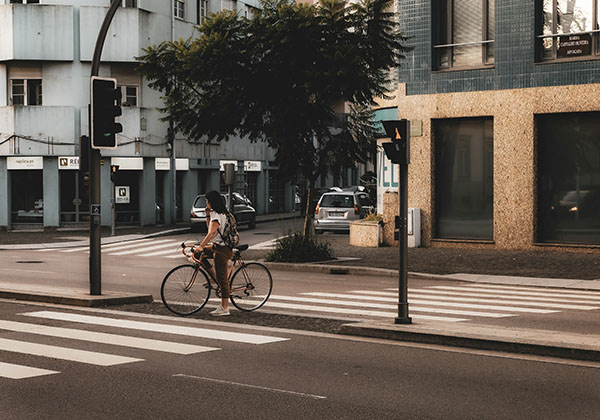

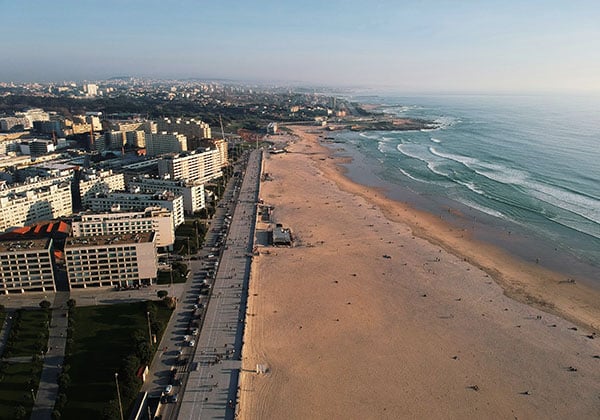


 Situated in downtown Porto, Bonfim has transformed into a vibrant area, making it the perfect spot to purchase properties in Porto for long-term rentals and short leases, thanks to the lively town’s cultural attractions.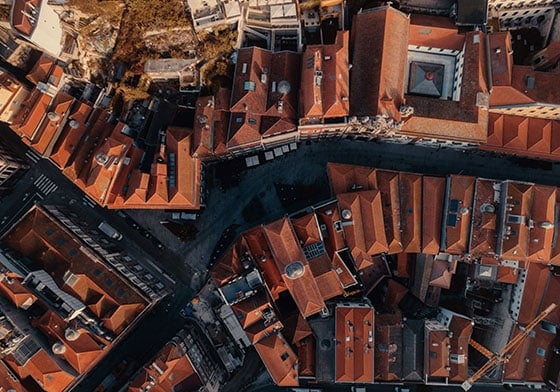


 Housing costs in Porto are roughly 30 percent lower than those in Lisbon.

 The legal requirements for foreigners buying property in Porto start with obtaining a Portuguese tax number (NIF, Número de Identificação Fiscal) from the local tax office, a citizens’ shop, or online via a fiscal representative, such as Global Citizen Solutions.



 Stamp Duty


 Living in Porto comes with both benefits and challenges. It offers rich culture, beautiful scenery, good healthcare, and a growing expat scene. The cost of living is reasonable compared to other Western European cities.
