

 Barbara Queiróz
 Updated: February 4, 2026
In recent years, relocating abroad has shifted from a distant ambition to a realistic plan for millions of people. Rising living costs, political uncertainty, housing pressure, and changing work patterns have pushed individuals and families to seriously ask a once-niche question: where is it actually the easiest to move to, legally and realistically?
The answer is rarely straightforward. Immigration rules are often complex, timelines can be unpredictable, and many countries advertise “easy” pathways that, in practice, are anything but. What makes a country genuinely easy to immigrate to isn’t just flexible visa options—it’s a combination of clear residency routes, manageable financial requirements, reasonable processing times, and a legal framework that welcomes foreign residents rather than discourages them.
Whether you are a retiree seeking stability, a remote worker looking for flexibility, an entrepreneur exploring new markets, or a family planning a long-term move, the countries in this guide stand out for offering accessible entry routes and a relatively smooth path to residency.
How much does it cost to immigrate?
 The cost of immigrating varies widely depending on the country, the visa type, and your personal circumstances. There is no single “price tag” for moving abroad, but most immigration pathways fall within a few predictable cost categories.
At a basic level, immigration costs usually include government visa fees, legal or administrative expenses, proof of income or savings, and the cost of living, such as housing, healthcare, and documentation. Some countries also require applicants to demonstrate ongoing financial stability, rather than paying a large upfront sum.
For many popular immigration destinations, government fees alone are relatively modest, often ranging from a few hundred to a few thousand euros. Where costs increase is usually not in the application itself, but in financial requirements tied to residency, such as:
- Minimum monthly foreign income or pension thresholds
- Proof of savings held in a bank account
- Health insurance coverage
- Long-term accommodation (rental or ownership)
Importantly, “easy to immigrate” does not mean “free” or “instant.” It means the financial requirements are clearly defined, proportionate, and achievable for ordinary professionals, retirees, remote workers, and families, without requiring a real estate investment or donation to the state.
Some countries prioritize income-based visas, making them accessible to digital nomads or retirees with predictable earnings. Others focus on low capital requirements, where modest savings and local living costs make long-term residency feasible even on a middle-income budget.
Overall, the most accessible countries tend to be those where:
- Visa fees are transparent and reasonable
- Income thresholds align with the local cost of living
- Long-term residency does not depend on major investments
- How long it takes to become a permanent resident or acquire dual citizenship
Understanding these cost structures upfront makes it much easier to identify which countries are genuinely realistic options and which may look simple on paper but carry hidden financial barriers.
The 13 Easiest Countries to Immigrate to in 2026
From the stunning island of Malta in Southern Europe to the bustling cities of Toronto, Montreal, and Vancouver in Canada, it can be difficult to know where to have your base. Below, we delve into the top 13 countries that are considered the easiest countries to move to in 2026.
It’s worth bearing in mind that this list of the easiest countries to move to is by no means exhaustive. There is a wide array of other countries that could provide the perfect home for you. From the Thailand Elite Residence Program to the Vanuatu Citizenship by Investment program, there are options across the globe to consider.
When choosing a foreign country to relocate to, make sure to take into account your preferences and what you’d like to get out of your move, whether it’s great job opportunities, more stability, or a better quality of life. All this will have a bearing on which foreign country would be an excellent fit for you.
1. Portugal
 You may be asking, “Why is Portugal the best country in the world?” There are many reasons why Portugal has become a firm favorite with expats, retirees, families, and investors in recent years.
Arguably the easiest country to immigrate to in Western Europe, Portugal has seen a record number of immigrants relocate to the country in recent years, with this southern European gem now being home to more than 1,044,606 foreign residents.
And a key reason why so many expats are moving to Portugal, alongside the sublime climate, welcoming locals, delectable gastronomy, and jaw-dropping landscapes and beaches, is the fact that there is a wide range of Portugal residency visa options on the table.
Here are some of the Portugal residency visa options that make Portugal one of the easiest countries to immigrate to in Europe:
Portugal D7 Visa: It offers a route to residency in Portugal for those with a passive income of €820 ($844) per month, providing a two-year residency permit that can then be renewed for a further three years. After applying for the D7 Visa, you will get a temporary residence permit valid for two years, which can then be renewed for a further three years. After five years of legally living in the country, you can apply for permanent residency and Portuguese citizenship, unlocking the doors to be able to live, work, and study in any EU member state.
Portuguese Golden Visa: This visa is designed to secure residency in return for an investment in the country. Since its inception in 2012, the investment program has become one of the most successful and popular in the world, with a minimum investment of €250,000 ($257,552) required.
Portugal Digital Nomad Visa: Targeting remote workers, this visa is another attractive option, allowing remote workers to move to the country provided they work for a foreign (non-Portuguese) company or are freelancers and earn four times the Portuguese minimum wage (currently €3,480 ($3,585).
Portugal’s range of residency options, coupled with the fact that English is a widely spoken language (Portugal ranks 6th in the English Proficiency Index), a very safe country (ranking seventh in the 2025 Global Peace Index), and a low cost of living, are each key reasons why many expats seek out Portugal as their favored relocation spot.
The country is also on the radar of crypto investors – for example, it is possible to buy property in Portugal with crypto, and the country has transparent rules on dealing with crypto.
Portugal has fast become one of the best countries for Americans to move to, as there are many options to secure residency, such as the D7 Visa, Digital Nomad Visa, and Golden Visa.
For retirees, Portugal ranks in second position in the Intelligence Unit’s Retirement Guide for Americans by our residency and citizenship division, Global Citizen Solutions, thanks to its high quality of life, security, and integration, and economics, second only to Spain, both topping the list of best countries for Americans to retire in 2026.
- Most popular visa: D7 Passive Income or D8 Digital Nomad visa
- Average processing times: Between two to six months end-to-end
- Pathway to permanent residency: Yes, after five years on a temporary residence permit
- Eventual citizenship: Yes
- Dual citizenship allowed: Yes
- Advantages of living in Portugal: Strong quality of life and multiple residency pathways, even without a job offer (especially for remote work / passive income).
- Disadvantage of living in Portugal: Residence-permit administration has been under pressure, which can affect appointments and timelines.
Considering relocating to Portugal and want to learn more about the property market.

2. Malta
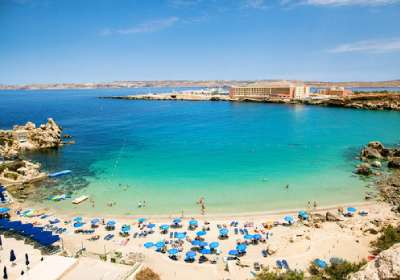 Those looking to secure residency in a charming island nation in Europe, where the sun is usually shining (more than 300 days a year you’ll find sunkissed skies) and where you can enjoy a high quality of life abroad may choose Malta.
The Malta Citizenship with Naturalization for Exceptional Services by Direct Investment program allows applicants to secure citizenship within as little as 12 or 26 months, depending on the chosen pathway, provided they make a significant property investment, government contribution, and philanthropic donation.
The Malta Residency by Investment Program program also offers a fast-track route to permanent residency in exchange for an investment into property, a non-refundable government contribution, and a donation. Malta also has attractive residency options for retirees. See our in-depth guide to where to retire: Malta vs Portugal, for more information.
Strategically located in Europe, Malta provides a top base for businesses, investors, and families, looking for a beautiful country to immigrate to. English is an official language, and you’ll find the Maltese culture to have one of the richest histories in the world, with the first inhabitants gracing the islands around 5900 BC.
- Most popular visa: Nomad Residence Permit (remote workers)
- Average processing times: About 30 working days (once the file is complete and payments are confirmed)
- Pathway to permanent residency: Yes, through separate routes such as permanent residence programs, but not automatic from the Digital Nomad permit.
- Eventual citizenship: Yes, by naturalisation after meeting residence conditions
- Dual citizenship allowed: Yes
- Advantages of living in Malta: English-speaking environment and straightforward processing for the Nomad permit.
- Disadvantages of living in Malta: Housing costs can be high for the size of the market, and the “golden passport” route has faced major EU legal pushback (headline risk).
3. Spain
 Go where you’re welcomed! And, if that’s the case, then Spain is certainly a top contender. There are many different residency options – Spain is perhaps the easiest country to migrate to in Europe, alongside Portugal – with the Spain Non-Lucrative Visa being one of the best residency programs the country offers.
This visa provides a pathway to residency for foreign nationals, provided they have a monthly income of at least €2,400 ($2,473). The residency permit can be renewed, and holders are eligible to apply for permanent residency after five years.
A country dripping in culture and heritage, Spain has a wide range of locations and cities, with something for everyone. The major cities of Barcelona and Madrid are well known across the globe. With a top cuisine, bustling cities, and where it is easy to get wrapped up in the dynamic beating heart of the country, Spain is an option worth exploring.
The cost of living is also a winning factor, alongside the beautiful climate and laid-back vibe.
- Most popular visa: Non-Lucrative Visa (NLV)
- Average processing times: Typically one to three months, though it depends heavily on the consulate and appointment availability
- Pathway to permanent residency: Yes, after five years of legal, continuous residence (long-term residence)
- Eventual citizenship: Yes, generally after 10 years of legal residence (shorter for specific nationalities/cases)
- Dual citizenship allowed: Generally no, as Spain may require renunciation for naturalisation, with limited exceptions
- Advantages of living in Spain: Excellent lifestyle proposition, strong infrastructure, easy access around the EU/Schengen.
- Disadvantages of living in Spain: Consulate logistics and renewals can be admin-heavy; dual citizenship constraints may matter for US citizens.
Spain or Portugal? Which option is best for you?
4. Greece
 There is a running theme, with southern Europe being one of the top parts of the world for expats and investors to opt for.
Greece is no different, offering a range of options to get residency including the Greece Golden Visa program.
The requirements are a €250,000 ($257,552) property investment and, in return, you’ll be able to get a residence permit that can then be renewed.
The country’s tax system makes Greece even more attractive, with Golden Visa holders paying a flat annual fee instead of global income tax.
The low cost of living in Greece, alongside the country’s sublime climate, makes it one of the top options for expats looking to retire in style.
- Most popular visa: Digital Nomad Visa (remote work)
- Average processing times: About one to three months is commonly cited for the nomad route
- Pathway to permanent residency: Yes, via long-term resident status after 5 years of lawful residence (subject to conditions)
- Eventual citizenship: Yes, generally after seven years of permanent and legal residence
- Dual citizenship allowed: Yes
- Advantage of living in Greece: Strong lifestyle and clear long-term track (5-year long-term residence milestone; 7-year citizenship baseline).
- Disadvantage of living in Greece: Bureaucracy can be uneven, and some immigration pathways require real estate investment at higher thresholds than in the past (depending on the program).
5. Cyprus
 Cyprus has favorable immigration routes, making it relatively easy for foreign nationals to relocate here.
The Cyprus Golden Visa provides a route for investors to get permanent residency in return for a minimum investment of €300,000 ($309,063).
The short processing times is appealing to investors, while the country’s relaxed lifestyle and countless sunny days mean relocating here a pleasure from day one.
Cyrpus has another arrow in its quiver.
The tax system is attractive, with there being no gift-inheritance, or capital gains on foreign assets and a low corporate tax rate of just 12.5 percent.
- Most popular visa: Permanent Residency via fast-track Regulation 6(2) (often property-led)
- Average processing times: About two to three months is commonly quoted for 6(2) fast-track
- Pathway to permanent residency: Yes, immediate, once approved (status is indefinite, with maintenance conditions like periodic visits)
- Eventual citizenship: Yes, typically after seven years of legal/physical residence (not automatic)
- Dual citizenship allowed: Yes
- Advantages of living in Cyprus: English is widely used; warm climate; relatively quick PR processing on the fast-track route.
- Disadvantages of living in Cyprus: Not in Schengen, and property-led residency can mean higher upfront commitments than income-based visas.
6. Italy
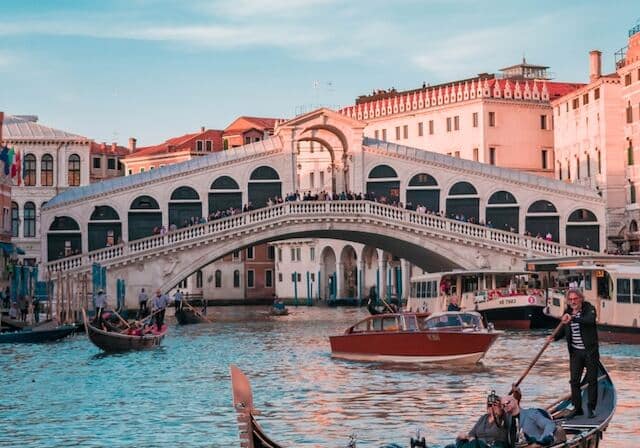 On the hunt for la dolce vita? Italy offers an unparalleled good life, with arguably the best cuisine in the world and a rich history.
The Italy Golden Visa and Italy Digital Nomad Visa are attractive options. The Golden Visa requires a minimum investment of €250,000 ($257,552), and in return, you’ll score a residency permit, which, after five years, you can swap for permanent residency.
On the other hand, the Digital Nomad Visa is perfect for remote workers working for non-Italian companies, with a minimum income requirement of €2,066 ($2,128) per month required to make the most of the residency scheme, alongside proof of continued employment and sufficient funds to support yourself.
When it comes to the easiest countries to move to from USA, Italy is a top contender in Europe, alongside Spain and Portugal. If you’re an American wondering where and how to move out of the US, then these three countries could be good places to begin your search.
Greece, Malta and, Cyprus are also attractive options for those seeking a rich island lifestyle in Europe. These are also among the easiest countries for Americans to move to.
- Most popular visa: Elective Residence Visa (ERV) for retirees and passive income profiles
- Average processing times: Up to 90 days is the official guidance; in practice often two to four months, depending on the consulate
- Pathway to permanent residency: Yes, via EU long-term residence after 5 years of legal residence
- Eventual citizenship: Yes, typically after 10 years of legal residence for non-EU nationals
- Dual citizenship allowed: Yes
- Advantage of living in Italy: High lifestyle value and strong long-term settlement framework (5-year long-term residence; 10-year citizenship baseline).
- Disadvantages of living in Italy: Administrative pace varies, and immigration/citizenship rules have been politically active in recent years.
Find out why Portugal is capturing the hearts of Americans in our guide to Moving to Portugal.
7. Canada
Taking a break from Southern European countries and Canada is a top option, particularly for Americans, given the similarities in the culture, the language, and close proximity.
Canada offers immigration programs for entrepreneurs and skilled works that include the Provinical Nominee Program and the Canada Statup Visa.
The Provincial Nominee Program is best placed for entrepreneurs, investors, and workers, and offers permanent residency, while the Startup Visa provides foreign entrepreneurs with innovative business ideas. The political stability in the country, alongside its strong economy, makes Canada an appealing country to relocate to.
8. St Lucia
 If you are looking for unrivaled island life, then St Lucia may be just the ticket! One of the easiest countries to immigrate to, St Lucia is a stunning island in the Eastern Caribbean full of luxury resorts, rich ecology, and reef diving.
St Lucia’s Citizenship by Investment program has become one of the most popular in the world. Applicants have the opportunity to invest in property, contribute to the National Development Fund, or invest in a government-approved business, with the minimum investment required being $240,000 (around €232,962).
One of the perks of the Citizenship by Investment program is the quick processing time, with the entire process often taking around ten months to complete.
Successful applicants will be able to enjoy no tax on worldwide income, a peaceful environment, low crime rates, and outrageous natural beauty.
9. St Kitts and Nevis
 Another Caribbean country that should be on your shortlist is St Kitts and Nevis, home to lush rainforests, a beautiful shoreline, and majestic mountains.
With one of the easiest citizenship-by-investment programs and short processing times of four to six months, and with a required minimum investment of $250,000 (€242,751) in the Sustainable Growth Fund, the St Kitts and Nevis Citizenship by Investment program has become a top option for investors.
The other popular option is to invest $325,000 (€376,933) in real estate.
St Kitts and Nevis offers a plethora of advantages, such as visa-free travel to 160 countries, which extends to the UK and the EU.
This island nation also has significant tax benefits, such as no personal income, inheritance taxes, or capital gains, making it a top country to consider for second citizenship. The political stability, warm climate, and welcoming locals add another layer to the country’s appeal.
10. Antigua and Barbuda
 Known for its splendid beaches, dreamy resorts, and lush rainforests, Antigua and Barbuda is a top choice for many expats seeking a high quality of life amidst a postcard-worthy setting.
The Antigua and Barbuda Citizenship by Investment program provides a route for individuals and their families to acquire citizenship in return for an investment of $230,000 (€223,187), typically in the form of a donation to the National Development Fund or through an investment of $300,000 (€291,114) in real estate or a business.
These picturesque islands are a great option as the entire immigration process takes as little as four to six months, and the only residency requirement is a short five-day stay within the first five years.
The Antigua and Barbuda passport grants access to 148 countries and tax benefits, which include no wealth tax, gift tax, inheritance tax, and capital gains tax.
11. Dominica
 Wrapping up the last Caribbean island nation on our list is Dominica. The Dominica Citizenship by Investment scheme is a popular one, requiring just a $200,000 (€194,075) contribution to the Economic Diversification Fund or a real estate purchase also with at least $200,000 (€194,075).
As is the case with Antigua and Barbuda, Dominica’s processing time is short, taking just six to nine months for completion. Dominica also has no residency requirements.
With beautiful natural landscapes across the island and a focus on eco-tourism and working with nature to create a better quality of life, sustainability is at the forefront of life in Dominica.
The attractive tax scheme, with no taxes on worldwide income and no inheritance tax, alongside no capital gains, makes is a very attractive destination.
Processing takes six to nine months, and no residency requirements exist. Citizens enjoy visa-free travel to over 145 countries, including the Schengen Area and the UK.
12. Turkey
 Turkey is the melting pot of Western and Eastern cultures, with a beautiful Mediterranean climate, spectacular scenery, and a high quality of life.
The range of landscapes, delicious cuisine, and rich history have made the country a popular destination for expats and foreign investors.
The Turkey Citizenship by Investment program provides a simple pathway to Turkish citizenship, with a minimum investment of $400,000 (around €388,150) required for real estate.
Other options include making a bank deposit, capital investment, government bonds, and investment fund share – each of which requires an investment of $500,000 (around €485,194) or creating full-time employment for at least 50 people.
13. Brazil
 Brazil, home to the largest economy in South America, is a firm favorite with tourists and expats looking for an easy-going and relaxed pace of life.
It’s possible to secure permanent residency in Brazil with an investment of $100,000 (€97,038) in a Brazilian company or $200,000 (€194,075) in real estate (or $140,000 (€135,854) if investing in real estate in the northern or northeastern regions).
Not only is Brazil a powerhouse in South America, but you’ll be able to enjoy a colorful new life, with 8.5 million square meters of beaches, jungle, and vibrant communities just waiting to be explored.
Cities like São Paolo and Rio de Janeiro are acclaimed across the globe. After just four years of permanent residency you’ll also be able to secure Brazilian citizenship – one of the fastest countries to secure citizenship in the world.
Which country is best for your situation?
While all the countries listed above rank among the best countries and the 10 easiest countries to relocate to, the reality is that not every destination suits every lifestyle equally. Immigration success isn’t just about gaining a resident visa or legal residency — it’s about whether the country aligns with how you earn, live, and plan long-term.
Below, we break down which destinations tend to work best depending on your personal situation, based on visa structure, taxation, lifestyle, and long-term settlement potential.
For remote workers
 Remote professionals and self-employed individuals typically need flexibility above all else. The most suitable countries for this group are those that recognise foreign income, allow income earned abroad, and offer clear visa options without requiring a local job offer or employer sponsorship.
Countries like Portugal, Spain, and Italy consistently appeal to American expats, skilled professionals, and remote professionals because they combine affordable living with structured pathways to gain residency.
Portugal, in particular, is attractive to an American citizen earning in US dollar, thanks to its clear income-based routes, modern infrastructure, large expat community, and a territorial tax system that can reduce exposure to double taxation on foreign income when structured correctly.
For those seeking an English-speaking environment, Malta and Canada also stand out. Malta offers attractive tax incentives for certain residents and long-term planning options that may lead to dual citizenship, while Canada’s points-based system rewards qualified professionals with strong work experience and sufficient income.
Overall, the best options for remote workers are countries that make it an attractive proposition to establish residency without tying your status to a single employer or short-term contract.
For families
 Families tend to prioritise stability, education, healthcare quality, and a predictable immigration process.
The most suitable destinations are those with strong educational systems, excellent healthcare, and a welcoming attitude toward new residents planning a long-term future.
Greece, Portugal, and Spain are popular among families because they combine a high standard of living with universal healthcare, strong cultural ties, and relatively low cost compared to other EU countries.
These countries also allow families to transition from a temporary resident visa to permanent resident status over time, making them appealing destinations for those seeking EU residency or eventual EU citizenship.
For families looking beyond Europe, Brazil is often overlooked but highly practical. Its rentista-style income routes, vibrant culture, friendly locals, and lower cost of living make it accessible for families with stable income or monthly pension support, including a Brazilian citizen spouse or dual-national households.
Family-focused immigration is rarely about speed. It’s about whether a country offers safety, healthcare access, and a realistic path to permanent resident status without excessive investment thresholds.
For retirees
 Retirees usually benefit most from countries that recognise pension income, allow stable passive income, and offer an affordable cost of living alongside excellent healthcare.
For American retirees in particular, the ability to live comfortably on foreign pensions while managing tax exposure is critical.
Portugal, Spain, and Italy remain among the easiest places for retirees to settle, thanks to their lifestyle appeal, warm climate, great food, and structured residency pathways that do not require active employment.
These countries also offer strong healthcare systems and a peaceful lifestyle suited to long-term living abroad.
For retirees seeking a faster route or alternative options, Dominica, Antigua and Barbuda, and St Lucia attract attention due to residency by investment or citizenship programs tied to real estate acquisition or contribution routes.
While these options differ significantly from European residency models, they can suit retirees prioritising flexibility, second passport planning, or access to Caribbean nations with beautiful weather and diverse landscapes.
For most retirees, the ideal destination is not the one with the fastest approval, but the one that offers long-term comfort, healthcare security, and a realistic path to legal residency without unnecessary complexity
What makes a country easy to immigrate to?
So, what do the easiest countries to move to have in common? Below, we provide key factors that influence the ease of relocation for expats across the world.
Visa types
What’s the easiest country to immigrate to? Well, this largely depends on the country’s policies and how favorable they are for expats. A country’s visa policies and visa requirements play a significant role in determining how easy that country is to relocate to. Whether a country has a work visa, family reunification visa, startup visa, or digital nomad visa, can each be an easy route to secure residency in a country.
Accessibility
Getting a specific visa type can be harder or easier, depending on accessibility components. For example, a country may have a quota system that sets a numerical limit or restricts the maximum number of immigrants who can move to the country.
Application process
Countries that have quick and streamlined application processes and clear guidelines also make it much easier for expats looking to relocate – for example, St Lucia and Antigua and Barbuda both have quick processing times and have become incredibly popular as a result of this.
Permanent residence or citizenship
Many countries that we’ve listed above also have pretty straightforward routes to obtain permanent residency and even citizenship, making it possible to protect your future by having two passports. This can be a big incentive for expats and investors to choose one country over another. Having a Plan B in this day and age – having two passports – is increasingly important to many expats and investors.
Job opportunities and economic stability
Many foreigners move abroad to further their careers or for job opportunities. Even if a country offers a work visa, without a strong job market or employment opportunities, expats and skilled workers may face obstacles in securing relevant employment or the local job market that aligns with their background, career goals, and qualifications.
Increasingly, more countries are offering digital nomad visas to cater to remote workers, which allows individuals greater flexibility and global mobility, Digital nomads can enjoy a better work life balance. These days it is increasingly possible to work from anywhere in the world, provided you have stable Wi-Fi.
If you are interested in Portugal and are a US national, check out our article on Jobs in Portugal for Americans.
Business leaders and entrepreneurs are increasingly fixing their attention on Portugal, too. You can find out why in our article: Portugal: For Business Leaders Seeking an Elevated Lifestyle.
Quality of life and cultural integration
Many expats choose to relocate in search of a better quality of life, which can include more affordable healthcare, medical services, and education options, a more relaxed lifestyle, or to explore a new culture. The ease of adapting to a new country is another key element in why some countries are more popular amongst foreign nationals than others.
Goldcrest: How We Can Help You
Do you have your heart set on Portugal and are looking to kickstart your property-buying journey? Unsure which location in the country is right for you? From the glamour and natural beauty of the Algarve to the bustling cities of Lisbon and Porto, the opportunities are endless. If you’d like to discuss which part of the country could be just the ticket for you, feel free to get in touch with us today.
If you’re still considering which country could be the right fit for you and where it would be possible to secure residency easily, our residency and citizenship division, Global Citizen Solutions, would be more than happy to assist you. You can contact them today.
Frequently Asked Questions about the Easiest Countries to Immigrate To
How to immigrate to Europe?
To immigrate to Europe, Americans often need a visa for longer stays, which can be tied to education, employment, or family reunification. Some European countries have separate digital nomad, investor, and retirement visas, making immigration easy.
What are the best countries to live with family?
Many countries are great for families, but Portugal immigration policies are among the most welcoming. Visas are very accessible, and many people speak English. Malta and Spain also offer residency programs for investors and other visa options.
What is the easiest country to immigrate from to the US?
The U.S. Diversity Immigrant Visa Program (Green Card Lottery) offers a pathway for individuals from countries with low immigration rates to the U.S. Eligibility varies annually based on U.S. immigration statistics.
What country can I move to without a job?
Spain’s Non-Lucrative Visa allows individuals to reside without employment, provided they have sufficient financial means to support themselves. This makes Spain an attractive option for retirees and those with independent incomes. Portugal’s D7 Visa and Golden Visa are also attractive options, whereby you will need to have passive income or make a minimum investment into Portugal’s economy, respectively.
Where is it hardest to immigrate to?
Countries like Japan and Switzerland are known for stringent immigration policies, making relocation challenging due to strict requirements in obtaining residency and limited visa options.
What country accepts the most immigrants?
The United States hosts the largest number of immigrants globally, with over 50 million foreign-born residents, reflecting its long history as a destination for migrants.

