Home » Real Estate » Porto vs Lisbon Property: Where Should I Buy Real Estate?
Updated: July 30, 2026
Looking to invest in the Portuguese real estate market, but aren’t sure whether to choose Porto or Lisbon? As the capital city, Lisbon has the highest property prices per square meter in the country, while Porto is more affordable, but prices are quickly catching up.
Recent data shows that rents in Lisbon are often 30 percent to 45 percent more expensive than in Porto, especially for bigger apartments in prime districts. Both markets have strong capital appreciation and good rental yields. However, Porto often provides a slightly higher passive income.
Before making a final decision, our buyer’s agents at Goldcrest prepared a detailed analysis comparing the Porto vs Lisbon property markets. In this comprehensive guide, we will examine the average property prices, local purchasing power, and the prime neighborhoods for real estate investments.
Key Takeaways about Lisbon vs Porto Property Market
Lisbon is one of the most sought-after locations for capital appreciation, luxury properties, and a cosmopolitan lifestyle. Meanwhile, Porto is an attractive destination for renters and buyers seeking a more affordable cost of living.
Rent prices are 30 percent to 45 percent higher in Lisbon compared to Porto.
Lisbon offers higher property values, a fast-paced life, and a larger job market. Porto remains a top choice for property investors who prefer a more traditional lifestyle, a community-oriented city, and a slower pace of life.
The average asking price varies from €5,045 to €7,086 in Lisbon versus €4,052 and €4,895 in Porto.
Lisbon vs Porto Property: Market Overview
Lisbon has the most expensive real estate prices in Portugal. Porto, although relatively cheaper, is closing the gap fast. Both markets continue to grow, but Porto often offers slightly better rental returns for long-term property investors.
These two largest cities draw many expats, business experts, retirees, and digital nomads. Lisbon provides stability and premium asset value, while Porto offers maximum size and lower entry points for property investments.
If you are wondering, “Can foreigners buy property in Lisbon“? The answer is yes! Foreign buyers can purchase property in Lisbon, Porto, and other areas of Portugal with no restrictions.
Investment factor
Lisbon
Porto
Average asking price per m²
€5,045 - €7,086
€4,052 - €4,895
Rental yield
4.6 percent (in the city); 5.8 percent (in the metropolitan area)
5.4 percent (in the city); 5.8 percent (in the metropolitan area)
Best for capital gains
Prime areas with luxury properties
Up-and-coming neighborhoods
Risk factors
Low inventory for turnkey properties
Rapid growth and gentrification
Primary lifestyle
Cosmopolitan, large expat communities
Traditional, strong local community
Lisbon property market
Lisbon is the most expensive location for real estate investments in Portugal. The average asking prices vary from €5,045 in the wider metropolitan area to €7,086 in the city itself.
According to Statistics Portugal (INE), Greater Lisbon experienced one of the highest median house prices in the country. In the first half of 2025, property prices in the Lisbon municipality increased by 4.2 percent, slightly below the 4.9 percent rise recorded in the Porto municipality.
The capital city generates average yields of 4.6 percent, compared to 5.8 percent in the metropolitan area.
Luxury neighborhoods such as Avenida da Liberdade, Lapa, Príncipe Real, and Chiado are popular among high-net-worth individuals and lifestyle buyers. These prime locations offer capital appreciation, rich history, and access to some of the best international schools in Portugal.
The Lisbon property market is characterized by low inventory, particularly for turnkey properties. Regulatory constraints, especially the restrictions on new short-term rental AL licenses (Alojamento Local) in central districts, have limited investment opportunities.
Despite these challenges, foreign buyers, particularly those from the United States, France, and Brazil, continue to represent a significant portion of transactions. They view real estate investments in Lisbon as more affordable than those in other Western European cities.
Porto property market
The Porto property market is the second largest in Portugal. It is a high-growth investment opportunity that offers better rental yields compared to Lisbon.
The average asking price is €4,052 in the metropolitan area and €4,895 in Porto city. Since the costs are considerably lower than in Lisbon, real estate in Porto, Portugal, remains a popular choice for both investors and lifestyle buyers.
In Porto, the average rental yield stood at 5.4 percent and 5.8 percent in the wider metropolitan area.
Up-and-coming neighborhoods like Bonfim and Campanhã are undergoing significant changes driven by renovation projects, cultural initiatives, and growing interest from expats.
Prime areas like Foz do Douro, Boavista, and the historic center are the most expensive for buying property in Porto. They offer lower entry costs than Lisbon and a strong rental demand that attracts expats and young professionals.
Northern Portugal, with the city of Porto at the forefront, has attracted a substantial amount of investment, accounting for around 67 percent of all capital invested. The area remains a key driver in commercial real estate investments.
Porto has specific restrictions on new AL (Alojamento Local) properties, particularly in its historic areas like Ribeira, Miragaia, Sé, and central areas, such as Santo Ildefonso (Baixa), Vitória, and Sé. But the market is less saturated for short-term rentals than in Lisbon.
Cost of Living in Porto Compared to Lisbon
Porto offers a significant advantage over Lisbon with its lower cost of living. According to Numbeo, rent prices in Lisbon are 30.7 percent higher than in Porto. The monthly costs are 16 percent higher in Lisbon, including rent. You would need around €2,616 in Lisbon to maintain the same standard of living that you can have with €2,460 in Porto for a family of four.
Property price differences
The average property price in Lisbon city is €7,086 per square meter, compared to €5,045 per square meter in the metropolitan area. Some prime districts provide properties that cost over €8,000 per square meter.
In Porto city, the average asking price is €4,895 per square meter, compared to €4,052 per square meter in the metropolitan area. Prime districts offer luxury properties with prices exceeding €6,500 per square meter.
Overall, the price gap difference is almost 30 percent between Porto and Lisbon. The table below provides general estimates of the average price per square meter for purchasing an apartment.
Although living costs in Portugal have increased over the last decade, they are relatively low compared to other EU countries.
One of the main advantages Porto has over the capital city is its more affordable cost of living. Rental prices in Lisbon are about 30.7 percent higher compared to Porto, with the general cost of living (not including rent) being around 8.9 percent higher.
Expenses
Porto
Lisbon
Meal at an inexpensive restaurant
€10.00
€12.00
Domestic draft beer (0.5 liter)
€3.00
€3.00
Cappuccino regular
€1.82
€2.31
Fresh loaf of bread (500 g)
€1.34
€1.61
Local cheese (1 kg)
€10.45
€11.44
Source: Numbeo
Are Porto and Lisbon good places to live?
Porto and Lisbon are excellent places to live or buy property in Portugal. While Lisbon boasts a cosmopolitan vibe, Porto offers a more community-oriented atmosphere.
Which one you choose depends entirely on your lifestyle preference. Both cities are excellent options, whether you are looking to work remotely, retire in Portugal, or relocate with your family.
Climate: Both cities have sunny weather year-round, even though Porto has more rainy days. Portuguese winters are mild, and summers are hot and dry. Portugal has more than 300 days of sunshine per year.
Culture: Around every street corner in Porto, you’ll find enchanting cobblestone streets, brightly colored buildings, and traditional culinary gems. If you are seeking to retire to Portugal’s second-largest city, you will also find very good Porto retirement homes in and around the city. In Lisbon, you’ll find many parks, gardens, museums, cafes, and restaurants, the famous Tagus River, and historic monuments. The capital city offers a blend of traditional and modern properties for sale.
Facilities: Both cities benefit from a state-of-the-art public health and education system, at roughly the same quality level as other European countries. There are 6 international schools in Porto and 36 in Lisbon. Many of them use different curricula, such as the British Curriculum, the International Baccalaureate (IB), and the American Curriculum. They incorporate different teaching styles and may offer instructions in English, Portuguese, French, and German.
Job opportunities: Lisbon has a larger and more established job market. It has the highest volume of corporate and international job openings in the country, especially for technology and commerce. Porto has fewer total jobs available, but a rapidly expanding market, mainly in manufacturing and engineering. Check our guide to Lisbon vs Algarve if you would like to compare these regions, as well.
Can expats get jobs in Porto and Lisbon?
Yes, expats absolutely can get jobs in both Porto and Lisbon. Lisbon has the largest volume of corporate and tech jobs, often requiring only English. Porto has a growing market, particularly in IT and engineering, offering a better cost-of-living balance. The most in-demand roles in both cities are in customer support, IT, and sales for foreign candidates.
Can you work remotely for a foreign company?
Yes, you can work remotely for a company outside Portugal. Many non-EU/EEA nationals do this through the Portugal Digital Nomad Visa (D8), which asks for proof that you work for a non-Portuguese company or are self-employed and earn approximately €3,480 per month. Keep in mind that if you stay in Portugal for more than 183 days in a year, you’ll be treated as a tax resident and will need to report your global income.
What are the most attractive neighborhoods in Lisbon to live in?
Lisbon is one of the most beautiful cities in the world. With its unique golden light, warm summers, mild winters, friendly people, rich heritage, booming housing market, and excellent opportunities to buy Portugal real estate.
Below are some of the best neighborhoods in Libson to find properties.
Bairro Alto: This is one of Lisbon’s most historic, bohemian, and central districts. Bairro Alto is highly sought after for vacation rentals, such as those offered on Airbnb or through short-term leases. This can lead to strong rental yields, making it a powerful income-generating investment. However, new Alojamento Local (AL) licenses, required for short-term rentals, are currently prohibited in this zone due to stricter city regulations in historic areas. This means investment potential relies on acquiring a property that already holds an existing AL license. Many properties are traditional townhouses or apartments within historic buildings. Renovating these historic properties can offer significant returns.
Lapa and Santos: These neighborhoods are perfect for families seeking exclusive real estate and a high quality of life. Lapa has the highest income per capita in Lisbon, creating an elite and desirable area. Lapa’s real estate market offers capital preservation and stable, long-term appreciation. The area features elegant mansions, restored palaces, and luxury townhouses, often with high ceilings and sophisticated architectural details. It has rapidly evolved from a historic, quieter district into a trendy, design-focused area. Santos has a reputation as a hub for designers, artists, and architects. The area offers rehabilitated classic apartments and new developments.
Avenidas Novas: This is one of the leading business centers in Lisbon. The average asking price for property was €9,397 per square meter in Q4 2025. The area is attractive for both primary residences and rental investment. Ongoing urban regeneration and the introduction of new, modern apartments are bringing contemporary properties to the market, often featuring luxury amenities such as terraces, parking, and pools, which cater to the affluent market.
Campo de Ourique: This is one of the best places for families and retirees. The area feels like a village within a city due to its strong sense of community, high quality of life, and quiet areas. The average asking prices stood at €7,122 per square meter in Q4 2025. Residents rarely need to leave the neighborhood due to its access to specialty shops, parks, bookstores, local boutiques, and the famous Amoreiras Shopping Center nearby. Campo de Ourique offers a diverse range of properties from restored historic apartments to contemporary condominiums and private luxury villas with gardens and pools.
Alfama and Graça: Alfama is the city’s oldest surviving district and the birthplace of Fado music. Buying property here is investing in a piece of living history and one of Lisbon’s most charismatic tourist hotspots. Properties in this area often boast stunning views of the city’s terracotta rooftops and the Tagus River, particularly from famous viewpoints such as the Miradouro das Portas do Sol and Miradouro de Santa Luzia. Graça is located on Lisbon’s highest hill, adjacent to Alfama, but is generally considered a more peaceful and residential neighborhood. Real estate in Graça can provide supreme panoramic views of São Jorge Castle, the historic center, and the Tagus River.
Belém, Ajuda, and Restelo: These are some of the best neighborhoods in Lisbon for families, expats, and high-net-worth property investors. These areas have wider avenues and greater access to green spaces compared to the dense central districts. Residents are close to the vast Monsanto Forest Park and several local gardens. Restelo is known for its luxury villas, houses, and penthouses. Belém is a must-visit, famous for the stunning Jerónimos Monastery, the original Pastéis de Nata, and the futuristic design of the MAAT museum right by the water. Belém offers modern apartments, renovated flats, and new luxury apartment complexes, while Ajuda offers mid-range apartments and smaller rehabilitation projects.
Parque das Nações: This is one of the best places for properties for sale in Lisbon, especially for luxury investors. There are many modern apartments and luxury properties, with an average asking price of €8,120 per square meter in Q4 2025. Properties here meet high standards, featuring state-of-the-art construction, innovative designs, and luxurious finishes.
Alcântara: This is the best neighborhood in Lisbon for a cosmopolitan lifestyle. It offers more competitive prices than the city center and industrial design. The area is famous for the LX Factory, a renovated industrial complex that is now a vibrant cultural scene for young professionals, expats, and families. It offers a variety of properties, ranging from modern apartments to industrial lofts and duplexes.
If you need help comparing prices in different locations or obtaining the latest market insights, you can consult with a buyer’s agent or a real estate agent in Lisbon.
What are the most attractive neighborhoods in Porto?
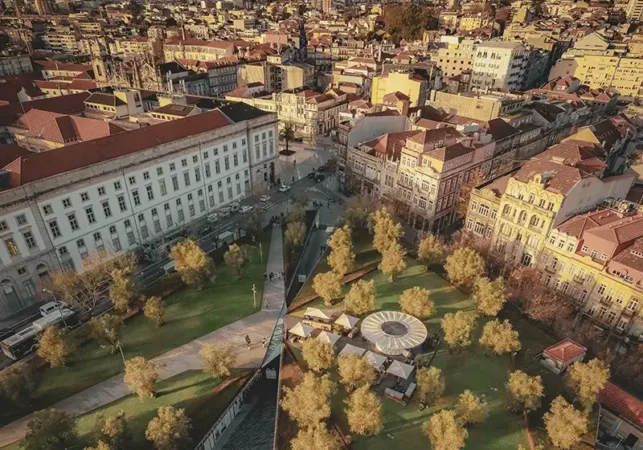
Porto is famous for its Port wine, its historic Ribeira waterfront, and its beautiful bridges over the Douro River.Real estate investment in Porto offers more affordable property prices than in Lisbon.
Below are some of the most attractive neighborhoods to live in Porto.
Ribeira, Miragaia, and Baixa do Porto: These neighborhoods, located in the historic center of Porto, are among the most desirable and high-potential locations for property investment. They are considered a prime asset due to their historic value and strong market performance. The historic center is the epicenter of Porto’s tourism. It can offer strong rental yields and steady demand for holiday-let properties. The majority of properties are within fully rehabilitated classic buildings. These often maintain the traditional Portuguese facade (such as azulejo tiles or granite work) but feature modern, high-end interiors. You can find smaller studios or one-bedroom apartments, as well as large family homes, duplexes, and penthouses on the top floors.
Cedofeita and Boavista: Both areas are considered a central part of Porto. It’s a top choice for young professionals and digital nomads, as it provides co-working spaces and a lively social scene. Boavista is a modern and upscale neighborhood. It is a major business district with excellent transport links. It is home to the iconic Casa da Música concert hall and is close to beautiful parks and green spaces, offering a high quality of life. You can find low-rise buildings, historic apartments, traditional townhouses, lofts, and studio apartments. Most quality, turnkey rehabilitated apartments in Cedofeita start above €300,000.
Foz do Douro: The Foz do Douro neighborhood in Porto is considered one of Portugal’s most exclusive and prestigious areas for property ownership. The proximity to the Douro River and the Atlantic Ocean provides stunning sea views and a beautiful riverfront scenery. The area has a peaceful atmosphere and sandy beaches, such as Praia da Luz and Praia do Homem do Leme. You can find luxury houses, villas, penthouses, modern apartments, and renovated historic homes.
Bonfim and Campanhã: These up-and-coming neighborhoods are the best places to buy properties for lower entry prices. They offer high rental yields, making them an excellent choice for buy-to-let investors. You can find new build apartments and condominiums often in contemporary buildings. There are also multi-story traditional Porto houses and renovated homes with small gardens or a patio. Business experts can transform old factories and warehouses into distinctive residential lofts or commercial spaces.
If you want to research a specific neighborhood, consult with a buyer’s agent or a real estate agent in Porto.
Lisbon vs Porto Service and Facilities
Transportation
Lisbon and Porto are the only cities in Portugal with metro rail systems. These systems are modern and efficient, serving as the backbone of urban public transportation by connecting neighborhoods, suburbs, key landmarks, international airports, and transport hubs.
The Lisbon Metro features four distinct color-coded lines: Blue, Yellow, Green, and Red. This efficient transit system covers a significant portion of central Lisbon, including key business districts and residential neighborhoods. Notable destinations accessible via the Metro include Baixa-Chiado, Marquês de Pombal, Parque das Nações (Expo), and Lisbon international airport.
The Porto metro system consists of six lines (A–F) that are interconnected through a central underground corridor. It offers extensive coverage throughout downtown Porto, extending into the suburbs and neighboring cities, including Vila Nova de Gaia and Matosinhos.
Key destinations include Trindade, Casa da Música, Estádio do Dragão, São Bento, and Porto Airport. Specifically, Line E (Purple) provides a direct connection from Porto Airport to the city center.
Trindade serves as the main hub, functioning as a central interchange for all metro lines, as well as a key connection to CP suburban trains. Additionally, Campanhã Station is a significant CP train station accessible via the metro, offering connections to Alfa Pendular and Intercidades trains.
Coworking spaces
Coworking spaces in Portugal are gaining popularity, but they are primarily located in major cities. Lisbon is home to the world’s largest digital nomad community with regular meet-ups and co-working spaces popping up all over the city to accommodate the influx of freelancers and startup companies. There are over 50 co-working spaces available, catering for freelancers, startups, and small businesses in Lisbon.
Cafe culture
Cafes are part of everyday life in Portugal, especially in big cities. The go-to order is a short, strong espresso called a bica in Lisbon and a cimbalino in Porto. Another favorite is the galão, a simple coffee with milk. People often enjoy these with a pastry. Many modern cafes offer free Wi-Fi and scenic spots near parks or street art. Classic coffee houses like A Brasileira in Lisbon and Majestic in Porto are some of the most popular locations.
Healthcare
The hospital network in Portugal consists of modern units that are well-equipped. The country provides universal healthcare through its publicly funded national health system, the Serviço Nacional de Saúde (SNS).
The World Health Statistics, published by the World Health Organization (WHO), ranks Portugal around 22nd globally. It is among the top-tier European countries in terms of high life expectancy (82.7 years) and access to care.
The country enjoys a high ratio of doctors and nurses per capita and has multiple medical schools that guarantee a high standard of medical education and expertise.
Beaches
Lisbon is well-connected to some of Portugal’s most popular beaches. A short train ride from Cais do Sodré will take you to Cascais, Estoril, or Carcavelos, all of which offer golden sand, surf schools, and beach bars.
South of the river, Costa da Caparica stretches for miles and caters to a younger, more relaxed crowd. The coastline here has a Mediterranean feel—sun-soaked, developed, and well-serviced.
Porto, on the other hand, is situated directly on the Atlantic Ocean and boasts its own unique urban culture, complemented by some of the best beaches. In less than 20 minutes by metro or car, you can reach Matosinhos, which is known for its surfable waves and seafood restaurants.
A little further away, Foz do Douro offers scenic walking paths, beach cafés, and stunning sunset views, but its beaches are rockier, and the water is colder.
Nightlife
Lisbon’s nightlife is diverse, polished, and vibrant. The city offers a range of experiences, from upscale cocktail bars in Chiado and rooftop lounges in Bairro Alto to all-night clubs by the Tagus River in Cais do Sodré, catering to various tastes. You’ll commonly find international DJs, curated mixology menus, and spacious venues. Nightlife in Lisbon typically starts late and continues into the early morning hours.
In contrast, Porto’s nightlife is more intimate and community-focused. Centered around Rua Galeria de Paris and the Ribeira district, Porto offers a more edgy mix of indie bars, underground clubs, and live music venues. Here, the emphasis is on atmosphere rather than scale, with craft beer, vinyl sets, and smaller venues filled with locals and students.
Porto or Lisbon: Which fits your goals best?
So, is Lisbon better than Porto? Not exactly. The primary difference between Porto and Lisbon lies in their overall costs, lifestyle, and property stock.
You can choose Lisbon if you prefer more luxury properties or renovation projects. The area enjoys a cosmopolitan lifestyle, strong capital appreciation, and high demand for foreign investment. However, Lisbon is a mature city with not much empty land in its center. You mostly buy older, sometimes run-down historic buildings, since there are quite a few modern developments and luxury properties that are new builds.
You can choose Porto if you prefer budget-friendly real estate. Homes are often more affordable, rental returns can be higher, and the market still has room to grow. Porto is smaller and is undergoing a major urban renewal push. There are plenty of new builds, particularly those in emerging neighborhoods like Bonfim and Campanhã.
Portugal Real Estate: Something For Every Taste
Portugal real estate market is incredibly diverse, offering property types for every buyer. But, because of the sheer variety of houses, apartments, and villas for sale, a buyer’s agent or property finder in Portugal can be particularly helpful. They have access to listings and off-market deals so that you can find your dream property.
For example, a buyer’s agent like Goldcrest offers personalized service and extensive research of current market trends. We can analyze a diverse range of properties and negotiate on your behalf, so you can maximize your investment potential.
If you’re considering a specific region for investment, a real estate lawyer in Lisbon can offer comprehensive support for legal considerations. They perform due diligence and make sure the property is free from debts, mortgages, and legal claims. This is particularly beneficial when you purchase historic buildings or coordinate infrastructure projects.
Goldcrest: How We Can Help You
Goldcrest is the first buyer’s agent in Portugal. We provide expert, impartial advice on real estate investments and how to buy property in Portugal. From scouting out the perfect property through to property acquisition, we have you covered throughout the process.
Unlike traditional real estate agents in Portugal who represent the seller, we are dedicated exclusively to protecting the buyer’s interests.
If you are looking to purchase property in Portugal, don’t hesitate to get in touch. Our team of skilled experts is available to solve all your real estate doubts, helping you with the property search and offering insightful expertise and strategic advice.
Why choose Goldcrest?
Local knowledge: With offices located across Portugal, our presence nationwide allows us to assist you personally across the country.
Independent service: As an independent buying agent, we do not represent any development or project. Our service is entirely tailored toward each individual client, providing you with everything you need to secure the perfect property at the best possible price.
Streamlined process: Our real estate agents speak English and Portuguese, and our service is completely focused on providing you with a hassle-free buying experience, saving you time. We can also help you buy property remotely.
Experienced team: Our expert real estate team has a vast local knowledge of the Portuguese property market. We have cutting-edge technology and metasearch tools at your disposal to provide full market coverage, ensuring the best investment choices and negotiated prices.
Network of partners: We have a close network of partners, including lawyers, property management services, builders, architects, designers, and landscape gardeners, again saving you time and hassle by providing you with trusted experts in their field of work.
Frequently Asked Question about Living in Lisbon and Porto
What is life like in Lisbon and Porto?
Lisbon is an exciting city that feels fast-paced and career-driven, while life in Porto can feel calm and community-oriented. Both cities offer a high quality of life, large expat communities, excellent transport links, and proximity to beaches.
Why choose Porto over Lisbon, or vice versa?
Choose Lisbon for better jobs, faster growth, and larger expat communities. But if you prefer a higher rental income, lower prices, and quieter neighborhoods, then Porto can be an excellent choice.
Is it better to live in Porto or Lisbon?
The choice between Porto and Lisbon depends entirely on your preference. Lisbon offers a bustling, cosmopolitan city with warmer weather and more career opportunities. Porto provides a more peaceful, “small city” lifestyle. It is generally more budget-friendly with access to beaches.
Is Porto or Lisbon better for expats?
Lisbon is better for expats who want a strong job market with predominantly English-speaking services. Porto is better for expats who prefer to experience the traditional Portuguese culture and a slower pace of life.
What types of property can I find in Lisbon and Porto?
Lisbon offers modern apartments, renovated historic buildings, and luxury waterfront properties. Porto offers stone townhouses, small apartments, new-build properties, affordable suburban homes, and a growing luxury market. Both cities provide a diverse range of properties, but Lisbon’s prices tend to be higher.
What is the main advantage of living in Porto over Lisbon?
The main advantage of living in Porto over Lisbon is affordability. Porto offers lower rents, more affordable dining, and lower daily expenses, all while providing access to beautiful beaches. Life feels easier without the pressure of living in a big city.
What are the average property prices in Lisbon and Porto?
Property prices in Lisbon typically range from €5,045 to €7,086 per square meter, while Porto offers more affordable options from €4,052 to €4,895 per square meter.
Related Articles
The Future of High-End Living: Branded Residences in Portugal
We use cookies to ensure that we give you the best experience on our website. Our Terms and Conditions
Functional
Always active
The technical storage or access is strictly necessary for the legitimate purpose of enabling the use of a specific service explicitly requested by the subscriber or user, or for the sole purpose of carrying out the transmission of a communication over an electronic communications network.
Preferences
The technical storage or access is necessary for the legitimate purpose of storing preferences that are not requested by the subscriber or user.
Statistics
The technical storage or access that is used exclusively for statistical purposes.The technical storage or access that is used exclusively for anonymous statistical purposes. Without a subpoena, voluntary compliance on the part of your Internet Service Provider, or additional records from a third party, information stored or retrieved for this purpose alone cannot usually be used to identify you.
Marketing
The technical storage or access is required to create user profiles to send advertising, or to track the user on a website or across several websites for similar marketing purposes.








 Porto is famous for its Port wine, its historic Ribeira waterfront, and its beautiful bridges over the Douro River. Real estate investment in Porto offers more affordable property prices than in Lisbon.