Home » Living » Cost of Living in Algarve 2026: Guide to Monthly Expenses
Updated: July 30, 2026
The Algarve, located in Portugal’s southern coastline, is a top choice for expats who prefer beautiful beaches, 300 days of sunshine, and a Western European lifestyle.
In recent years, Algarve property prices have increased drastically, with coastal areas experiencing the fastest-growing markets in Portugal. Strong tourism demand, foreign buyers, and a shortage of new developments have driven prices even higher in prime areas such as Vilamoura, Lagos, and Albufeira.
However, the cost of living in Algarve is affordable, especially if you compare it to the United States, the United Kingdom, and France. Many families and retirees choose to settle there because of its proximity to the Atlantic Ocean, laid-back culture, warm climate, and thriving luxury property market.
In this article, we provide a detailed guide to the cost of living in Algarve, Portugal, such as the monthly costs for different demographics, housing expenses, rent costs, and food prices. We’ve listed popular areas and more affordable places to live, accessible to various budgets.
Key Takeaways about the Cost of Living in Algarve, Portugal
A single person often spends about €1,300 ($1,527) to €1,500 ($1,763) every month on rent, groceries, utilities, and transportation.
A family of four can expect a monthly budget of around €2,500 ($2,938) to €3,500 ($4,113), which can include rent for a bigger house, groceries, school fees, and entertainment.
For retirees or couples, monthly expenses usually range between €1,500 ($1,763) and €2,500 ($2,938), allowing for a comfortable lifestyle, with costs varying depending on the town and personal spending habits.
Is Algarve expensive?
The Algarve is often considered more affordable than many Western European countries, but its cost of living depends heavily on lifestyle and location. Compared to Lisbon or Porto, daily expenses like groceries, utilities, and local dining are usually lower.
However, the Algarve is Portugal’s most popular tourist region, which drives up prices in prime locations such as Lagos, Albufeira, and Vilamoura, particularly for housing. Renting or buying property in these hotspots can be marginally more expensive, particularly during the summer months when demand is at its peak.
That said, the price of living in Algarve can be quite budget-friendly if you adapt to local habits. Inland towns like Silves or Monchique offer significantly cheaper rents and a slower pace of life.
Eating at small, family-run restaurants, shopping at municipal markets, and utilizing Portugal’s affordable public healthcare system all help keep costs down. Overall, while the Algarve can be pricey in tourist-heavy areas, many expats and retirees find it to be an excellent balance of quality of life and affordability when compared to similar sunny coastal regions in Europe.
The table below offers a detailed monthly expense breakdown in the Algarve, Portugal.
Expense category
Details
Monthly cost range
Rent (one-bedroom apartment)
Coastal areas (Lagos, Albufeira, Faro)
€950 – €1,250
Rent (three-bedroom apartment)
Outside the main tourist centers, it is suitable for a small family
€1,300 – €1,750
Groceries
Average monthly food expenses for a couple
€350 – €500
Utilities
Electricity and water combined
€120 – €160
Internet and phone bill
Home internet service (fiber optic) and basic mobile contract
€60 – €85
Transportation
Car expenses (fuel, insurance, road tax)
€140 – €220
Leisure
Entertainment and dining expenses, per person
€150 – €300
Source: Numbeo
Where to Live in Algarve: Cost Comparison by Region
The Algarve offers a diverse range of places to live, each with its own charm and lifestyle. The area is divided into different zones: western, central, and eastern regions.
For those seeking vibrant city life with plenty of amenities, living in Faro, the region’s capital, provides the all-in-one package of modern conveniences, historic charm, and excellent transport links, including an international airport.
The Golden Triangle is in the Central Algarve and is the most expensive area in the region. Locations like Vilamoura and Almancil are excellent for international living for anyone who prefers access to world-class golf courses, fine dining, and Algarve luxury real estate.
The Western Algarve is popular among expats seeking moderate monthly expenses. Lagos offers a coastal lifestyle with a holiday vibe. Its historic center is filled with cobblestone streets, surf shops, and specialty coffee houses. While Lagos has a large expat community, its neighboring city, Portimão, provides even more competitive housing costs and an urban lifestyle.
The Eastern Algarve is the most affordable region to live in. For a quiet and comfortable lifestyle, Tavira stands out with its picturesque streets, river views, and access to pristine beaches on Ilha de Tavira. When living in Tavira, you’ll be in one of the most authentic parts of the Algarve region. Vila Real de Santo António is one of the cheapest coastal spots in the entire Algarve. It is a popular choice among retirees and expats seeking a slower pace of life.
But if you move further away from the coast, to Silves or Monchique, your monthly expenses can drop by as much as 30 percent. You get more space, often a detached house with land, for the same price as a small apartment by the coast in the Algarve’s prime areas, such as Lagos or Vilamoura.
Algarve Housing Cost
Housing and rental costs can take 35 to 50 percent of your monthly budget. According to Eurostat, after a steep increase in house prices in the second quarter of 2025, the market has begun to stabilize. However, prices remain high due to supply shortages and international demand.
Here is a breakdown of the current Algarve housing costs for 2026.
Renting in Algarve
If you prefer to rent an apartment, the Algarve cost of living for rentals is quite affordable, especially for North Americans.
Recent data from Numbeo indicates that the average one-bedroom apartment in a city center costs around €949 ($1,115) per month, while those outside a city center cost roughly €766 ($900) per month. A three-bedroom apartment can reach €1,766 ($2,075) per month in a city center or €1,000 ($1,175) outside central areas.
It is easier to find long-term rental properties in the winter months as it is not the peak tourist season in the region. For only a few hundred euros, you can rent a traditional Portuguese house or a furnished two-bedroom apartment in the off-season. During the summertime, the Algarve attracts many visitors, often making it difficult to find suitable places at a lower price.
If you plan to live in the Algarve for a couple of months, then short-term rentals can be a great option. Apart from hotels and resorts, there are many Airbnb properties available for tourists. Plus, you can book a rental property for one or two weeks as well, as per your spending habits.
You can contact a buyer’s agent or a real estate agent in Algarve or browse online house rental websites in Portugal to look for all kinds of properties, such as T0, T1, T2, etc. For your reference, T0 apartments in Portugal refer to a studio apartment, T1 is a one-bedroom apartment, T2 is a two-bedroom apartment, and so on.
Buying a home in Algarve
The most popular locations for purchasing a home in Algarve include:
Faro: In the capital city of the Algarve, average property prices are €3,701 ($4,349) per square meter. Faro has the best career opportunities, trendy neighborhoods, and public transportation compared to smaller Algarve towns. The affordable cost of living in Faro is one of the draws for expats, retirees, and many families.
Loulé: Nearby, Loulé provides a traditional Portuguese lifestyle, a slower pace of life, and a growing expat community. The average property price in Loulé is €5,672 ($6,665) per square meter. This is one of the best places to see the real food prices in Portugal, Algarve.
Albufeira: This location is a hotspot for nightlife and beaches, ideal for those who enjoy a lively atmosphere. The average asking price for a house in Albufeira is €4,176 ($4,907) per square meter. However, you can find slightly cheaper housing in Portimão, about €3,272 ($3,845) per square meter. Portimão is the second-largest city in the Algarve, with the most affordable restaurant prices.
Tavira: This is another historic city that’s popular among expats and locals. The cost of living in Tavira is affordable. On average, property in Tavira goes for €3,660 ($4,301) per square meter, while daily expenses and Algarve food prices are very reasonable.
Alcoutim: If you move east or inland (toward the mountains), you can find the cheapest places to live in Algarve, Portugal. According to 2024 data from Confidencial Imobilario, Alcoutim is the most affordable location in the entire Algarve, with an average asking price of €1,780 ($2,092) per square meter.
A real estate investment in Algarve can be a smart move, as demand continues to increase, leading to significant returns on investment.
Read our ultimate guide to buying property in Algarve, Portugal
Wondering about the food prices in Portugal, Algarve? In comparison to other European countries, Portugal is a relatively affordable place when it comes to food.
In the Algarve, you can find several Portuguese eateries and restaurants with a variety of cuisines. A meal for two, at a mid-range restaurant, usually costs about €40 ($47) for three courses without drinks. At an inexpensive restaurant, you can expect to spend about €12 ($14).
For mid-range restaurants, the average price may range from €25 ($29) to €50 ($59) per person. Naturally, if you decide to treat yourself to dinner at one of the region’s Michelin-star restaurants in Portugal, the cost will be even higher.
Grocery shopping in Algarve
In 2026, the cost of food in the Algarve is very affordable, especially when compared to Northern Europe or North America. However, monthly food prices in Algarve, Portugal, are different for every lifestyle.
For example, a single person spends about €200 ($235) to €300 ($353) per month on groceries, while a couple needs about €400 ($470) to €550 ($646) per month. For a comfortable lifestyle, a family of four requires a higher monthly budget of about €700 ($823) to €900 ($1,058).
To optimize your Algarve food prices, you can shop at Portuguese supermarkets, like Continente, Pingo Doce, and Auchan. They are best for household goods, toiletries, and dry staples. If you want to find the cheapest and freshest local food, you can find a municipal market in every town, selling fish, seafood, and seasonal produce.
Here is a list of popular food items that can affect the monthly cost of living in Algarve, Portugal:
Item
Average price
Milk (1 liter)
€0.89
Dozen eggs
€3.02
Fresh white bread (500 g)
€1.11
Chicken fillets (1 kg)
€6.50
White rice (1 kg)
€1.23
Apples (1 kg)
€2.25
Mid-range bottle of wine
€5.75
Domestic draft beer
€3.00
Source: Numbeo
Eating out
In non-touristic areas, many local tascas have a Menu of the Day for between €12 ($14) and €15 ($18), which comes with a starter, main dish, and drink.
For à la carte dining, a famous Piri Piri chicken meal can cost €13 ($15), while a quick Bifana (pork sandwich) can come at less than €5 ($6). Even the iconic pastel de nata is affordable, priced at around €1.20 ($1.41) to €1.50 ($1.76) at local bakeries.
Overall, a single person eating out three times a week spends about €150 ($176) to €250 ($294) per month, while a couple can spend roughly €300 ($353) to €500 ($588) per month.
If you prefer fine dining, the Algarve has plenty of Michelin-starred restaurants in Albufeira, Lagos, Portimão, and Tavira. For example, Vila Joya, located on Galé Beach, Chef Dieter Koschina has held these stars for over 20 years. In the eastern Algarve, the dining experience is often more peaceful and rooted in Moorish history. A Ver Tavira is a restaurant located near the old castle, offering panoramic views of Tavira’s many church steeples.
While these world-class restaurants are a significant investment, they serve the region’s finest seafood and local dishes, which are perfect for a special occasion.
Alcohol costs in the Algarve
Alcohol is relatively cheap all over Portugal. For example, you can buy a regular mid-range bottle of wine for €5.75 ($6.76). If you want to try out a fancier wine, it will cost you around €10 ($11.75) to €15 ($17.63). Portuguese wines are amongst the best in the world, and you can buy top-quality bottles at very affordable prices.
If you visit a pub or a brewery, you can get a 0.5-liter domestic beer for €0.95 ($1.12), while a 0.33-liter imported beer can cost €0.90 ($1.06), depending on the establishment.
Transportation Costs in the Algarve
The Algarve has private and public transport. Here are the most popular options and their average monthly expenses.
Public transportation
Public transportation costs in the Algarve are relatively low compared to the rest of Western Europe. A one-way ticket with local transport is about €2.80 ($3.29). However, the total cost will vary based on the distance you travel.
Public buses connect most of the important stoppages around the region. A bus ticket from Faro Airport to Albufeira or vice versa will typically cost you between €9 to €11 ($10.56 to $12.91). By spending only €3 to €10 ($3.52 to $11.73), you can get bus tickets to and from popular places, such as Faro, Lagos, Albufeira, Praia da Rocha, Monte Gordo, Silves, etc.
If you are staying longer, the “Passe Algarve” now offers unlimited regional bus travel for roughly €40 ($46.94) per month, making it significantly cheaper for frequent travelers than buying individual tickets.
Trains are also relatively cost-effective, especially if you are traveling long distances. If you can book your rail tickets at least a week before your journey, you can get good discounts as well. For example, a train journey between Faro and Lisbon usually costs €22 to €31 ($25.82 to $36.38) on the day of the journey, but if you can book the tickets earlier, you can buy a ticket for only €10 to €15 ($11.73 to $17.60).
Buses and trains are great ways to get around the Algarve, although if you are living in the countryside, they may run less frequently. If you want to get around the Algarve region more conveniently, it is better to have access to a private car or rent one. In peak summer season, car rentals can cost €45 to €80 ($53 to $94) per day, but in the winter, you can find cheaper deals of about €5 to €15 ($6 to $18) per day for smaller vehicles if you book ahead.
Taxis
Taxis, Uber, and Bolt are very popular for expats in the Algarve because of their convenience and lower prices than in Northern Europe. While the meter start rate is approximately €2.00 ($2.35) to €3.25 ($3.82), a short city hop typically costs €5 ($6) to €8 ($9). Traveling between cities, like Faro and Loulé, remains affordable at €15 ($18) to €22 ($26). Although these are standard prices, during peak summer months and major festivals, the rates double, especially on apps like Uber and Bolt.
Note: Traditional taxis in the Algarve often charge an extra €1.60 ($1.88) if you put your luggage in the trunk or boot, whereas with apps like Uber or Bolt, this is included in the upfront price.
Owning a car
Many expats choose to own a car in the Algarve for better flexibility. Although fuel prices in Portugal are high, the monthly cost of driving in the Algarve is relatively manageable.
In 2026, you can expect to pay €1.74 ($2.04) per liter of gasoline, which for a standard commuter can result in a monthly bill of €140 ($165) to €220 ($259). Car insurance starts at about €150 ($176) per year for basic coverage. Yet, most expats go for full coverage, ranging from €350 ($411) to €600 ($705) per year.
When it comes to road tax or Imposto Único de Circulação (IUC), older cars can pay as little as €25 ($29). However, newer, high-emission vehicles can cost between €150 ($176) and €300 ($353) or more annually. So, it can be a wise choice to set aside €15 ($18) to €25 ($29) per month to cover this yearly expense.
Note: In 2025, the A22 (Via do Infante) tolls officially closed. This means you no longer have to pay for tolls that used to cost €40 ($47) to €80 ($94) per month, making cross-region weekend trips significantly cheaper.
Cost of Healthcare and Insurance in Algarve
Living in the Algarve comes with additional expenses, especially if you need medical services or private health insurance.
Public healthcare (SNS)
The cost of living in Portugal is relatively affordable compared with other European countries, and this extends to healthcare.
Portugal has an excellent public health service called the Serviço Nacional de Saúde (SNS) or the National Health Service of Portugal, which any citizen or resident can access either for free or at a very low cost.
For example, an appointment with a general practitioner or a medical specialist through a local health center (Centro de Saúde) is completely free. Diagnostic tests, blood work, and visiting the emergency room if you are referred by the SNS24 helpline or your GP are also free.
Prescription medication is not free, but it is easily accessible. For example, a standard prescription can come with €5 ($6) and €15 ($18) out-of-pocket costs, while the government pays between 15 and 90 percent of the cost of essential medicine.
If you have a registered chronic illness, like diabetes, many of your life-saving medications are completely free.
While the SNS has expanded its Cheque-Dentista (dental voucher) program for children, seniors, and pregnant women, most adults still pay privately for dental visits, which usually cost €30 ($35) to €80 ($94) per session. Overall, Portugal’s healthcare comes at a fraction of the cost compared to the United States.
Private healthcare
There are also private healthcare plans available on a monthly or yearly basis in the Algarve for both EU and non-EU citizens. While the prices for private health insurance vary based on the coverage you need, they typically range from €50 ($59) to €100 ($118) per month.
If you are staying in the region for a short time, it is advisable to obtain insurance coverage before traveling to Portugal. EU citizens can benefit from the European Health Insurance Card (EHIC) scheme, and UK citizens can also use the Global Health Insurance Card (GHIC), which replaced the European Health Insurance Card (EHIC) after Brexit.
Health insurance cost
In the Algarve, private health insurance is popular among expats because it bypasses the waiting queues and has better access to English-speaking doctors. Although healthcare costs are generally affordable, they are different for every patient.
For example, young adults often spend between €30 ($35) and €50 ($59) per month on entry-level coverage or between €60 ($71) and €100 ($118) on a comprehensive monthly premium. Middle-aged patients often choose comprehensive monthly health insurance plans ranging from €100 ($118) to €180 ($212), while retirees opt for senior plans from €200 ($235) to €350 ($411) per month.
Additionally, due to the cost-effective benefits of the Algarve, it can be a wise retirement option for foreigners. You can find all the details in this article on Retirement in the Algarve.
Algarve Education Cost
The Algarve has high-quality public schools and the second highest concentration of international schools in Portugal. Here are the average monthly expenses for international students and families with children.
Public school
The public education system in Portugal is free for all legal residents, including expats.
Pros: There are no tuition fees, and most municipalities in the Algarve provide free or subsidized textbook vouchers for students in compulsory education (Grades 1–12). Depending on your household income bracket, you may pay between €1.50 ($1.76) and €4.50 ($5.27) per meal, or nothing at all.
Cons: Public schools are completely in Portuguese. For students who don’t speak the language, it can be difficult to integrate. Public schools in major Algarve hubs like Faro and Loulé are often modern, but rural ones can have fewer extracurricular resources.
Private and international school
The Algarve has many international and private schools, particularly in popular areas with large expat communities, mainly Lagos, Almancil, and Vilamoura. These schools often teach in English and tend to follow American, British, or International Baccalaureate (IB) curricula.
In 2026, the average yearly tuition fees include:
€6,000 – €8,500 ($7,030 – $9,960) for children in kindergarten or nursery
€8,500 – €13,500 ($9,960 – $15,820) for students in primary school
€12,500 – €23,000 ($14,650 – $26,950) for students in secondary school
You should also consider any extracurricular activities. For example:
Swimming lessons at local Algarve pools can cost €25 ($29) to €70 ($82) per month.
Music or dance classes are €30 ($35) to €60 ($71) per month.
Summer camps can cost €120 ($141) to €300 ($351) per week, based on the program.
Many Portuguese language training sessions are available in the Algarve for groups and individuals. A group class typically costs €50 ($59) to €100 ($118) per month, while the average cost of individual sessions ranges from €20 ($24) to €40 ($47) per hour.
There are 12 international schools in the Algarve, which can be highly beneficial for expat families. Also, the University of Algarve is in Faro, offering high-quality education.
Electricity, Internet, and Utility Costs in the Algarve
For an 852 apartment for two people, basic utilities, including electricity, gas, heating, cooling, garbage, and water, will cost you around €120 ($141). Depending on your personal usage, this cost may fluctuate.
For example, during the summer, you may need air-conditioning as it can get very warm. Most apartments are well-equipped with air-conditioning systems that can provide both heating and cooling. If you need a separate heater or fireplace during winter, it will add more to your living costs.
Internet costs may vary depending on the service provider. On average, you can expect to pay a monthly average price of €50 ($59) for internet at home. A mobile phone plan with 10 GB or more data costs approximately €18.50 ($22) per month. Multiple mobile network service providers in Portugal offer internet packages along with prepaid mobile tariffs.
Entertainment costs
You can keep yourself entertained in the Algarve without spending a lot of money. Here are a couple of examples:
Gym membership: A standard monthly gym membership costs around €35 ($41), with cheaper options available in rural areas.
Tennis court rental: Booking a tennis court for one hour on a weekend typically costs about €24 ($28).
Cinema tickets: Watching the latest international blockbuster at a local cinema costs roughly €7.50 ($9) per ticket, making it an affordable night out.
Surfing lessons: A two-hour surfing lesson usually costs between €45 ($53) and €65 ($76).
Boat trips: A boat tour around the Algarve’s beaches and caves ranges from €20 ($24) to €50 ($59).
Wine-tasting tours: Prices start at around €25 ($29) for basic private tours and can go up to €200 ($235) for more luxurious experiences.
Tips for Lowering Your Cost of Living in the Algarve
So, is the Algarve expensive? The Algarve is one of Portugal’s most sought-after regions, but its popularity can result in higher costs compared to other parts of the country. Still, there are several strategies you can use to lower your cost of living without sacrificing quality of life:
1. Choose your location wisely: Living in the coastal hotspots like Lagos, Albufeira, or Vilamoura will cost more in both rent and daily expenses. Consider inland towns such as Loulé, Monchique, or Silves, where housing is more affordable, and the pace is calmer.
2. Rent long-term instead of short-term: Seasonal rentals drive up prices, especially in summer. If you commit to a 12-month lease, you’ll pay significantly less per month than tourists on short stays.
3. Shop like a local: Skip imported goods and shop at municipal markets (mercados municipais), where fresh produce, fish, and meat are cheaper and of higher quality than supermarkets. Portuguese brands are also much cheaper than international ones.
4. Adjust your lifestyle to Portuguese rhythms: Dining out at “tascas” (small local restaurants) for a prato do dia lunch is often cheaper than cooking at home. Tap water is safe to drink, so cutting out bottled water is another small saving.
5. Use public transport: If you’re based in a town with bus or train access, you can avoid car ownership—one of the biggest expenses for expats. When a car is necessary, buying a small used Portuguese model keeps costs down.
Cost of Living in The Algarve vs Other Parts of Portugal
So, is Algarve expensive compared to the rest of Portugal? Living in Algarve is more expensive than the Portuguese interior, but more affordable than major cities like Lisbon or Porto. Algarve is a popular region for tourists, expats, and digital nomads.
Algarve vs Lisbon
Lisbon, the capital of Portugal, is the most expensive city in the country. Rent prices in the Algarve are 32.9 percent lower than in Lisbon. Rent for a single-bedroom apartment in central Lisbon can cost €1,386 ($1,629) per month, while the same type of property can cost €987 ($1,160) per month in Faro and €1,050 ($1,234) per month in Lagos.
Algarve vs Porto
Porto is the second biggest city in Portugal, and it’s slightly cheaper than the capital city. Rent prices in the Algarve are 14.6 percent more affordable than in Porto. For example, a one-bedroom apartment in Porto’s city center can cost €1,096 ($1,288) per month.
What you’re really paying for in the Algarve is lifestyle—sunshine, beaches, and a well-established expat community that’s hard to find elsewhere.
Algarve vs interior (Central Portugal, North, or Alentejo)
If you’re looking for something quieter (and cheaper), areas like the Alentejo or even parts of Central Portugal offer great value for money. The Silver Coast, located just north of Lisbon, is also popular among expats and offers a more budget-friendly coastal lifestyle. When comparing the Algarve vs Silver Coast, the Silver Coast is generally more affordable overall.
Compared to the US, UK, and Northern Europe, the Algarve offers a high quality of life at lower monthly expenses for healthcare, restaurant prices, and groceries. But, because the Aglarve is now a main tourist attraction, you are competing for housing and rent with wealthy retirees, vacationers, families with children, and digital nomads.
How can Goldcrest help you?
At Goldcrest, our job as buyer’s agents is to provide more than just market analysis on Algarve, Portugal real estate. We help our clients understand the real cost of living across the country, compare rent prices, and the cost of utilities, as well as seasonal changes.
If you are buying property in Algarve, our team can compile the necessary documents, source properties, and negotiate prices. We can simplify the buying process and connect you with local experts, such as contractors, property surveyors, real estate lawyers, and tax advisors.
We also offer property management services for long-term rentals, tailoring our approach to each individual client. Contact us today, and let us help you find your dream property anywhere in Portugal.
Frequently Asked Questions about the Cost of Living in the Algarve
How much is the rent in the Algarve, Portugal?
In the Algarve, the average monthly rental price of a one-bedroom apartment in the city center is €949, while outside the city center, the price falls at about €766. For three-bedroom apartments, the rental price usually varies between €1,000 and €1,766, depending on the location and the property.
Where is the cheapest place to live in the Algarve, Portugal?
If you’re looking for the cheapest place to live in the Algarve, Portugal, look into Monchique or Alcoutim. These areas provide more affordable housing in the region, although some houses might need a bit of renovation before moving in.
How is Algarve's cost of living compared to the UK?
Compared to the UK or any other EU country, Portugal has quite an affordable cost of living. For the Algarve region, with a budget of €1,300 to €1,500 for monthly expenses, you can live quite comfortably. In contrast, the living costs in the UK are 39.4 percent higher than in Portugal.
Is it expensive to live in the Algarve, Portugal?
If you are wondering is Algarve expensive, the answer is: it depends. The cost of living in the Algarve varies based on your lifestyle and spending habits. While the region is more costly than some of the interior villages of Portugal, living in the Algarve is cheaper than in Lisbon and is also more affordable than many other coastal regions in different Western European countries.
How much money do you need to live comfortably in the Algarve?
Depending largely on your location, spending habits, and preferences, you can live on an average budget of €1,300 to €1,500 for monthly expenses in the Algarve.
Is the Algarve a good place to live?
Yes, the Algarve is considered an excellent place to live, offering a warm climate, beautiful beaches, a relaxed lifestyle, and a large expat community, making it ideal for retirees, remote workers, and families. There are also excellent international schools in Algarve and very good healthcare.
Where do most expats live in Algarve, Portugal?
Most expats in the Algarve live in popular towns like Lagos, Albufeira, Faro, Tavira, and Vilamoura, which offer modern amenities, vibrant communities, and easy access to beaches and services.
Can you live in Portugal on $1000 a month?
Very unlikely. As of 1 January 2026, the Portuguese national minimum wage has officially risen to €920 ($1,081) per month. So, on $1,000 (approximately €851), you would be below the local minimum wage standard, making it very difficult to live a modest life.
Where do most Americans live in the Algarve?
Many Americans who settle in the Algarve are drawn to places like Lagos, Faro, Tavira, Albufeira, and Portimão. These towns offer a nice mix of local culture, amenities, and expat-friendly communities, along with beautiful beaches and great weather.
Can you live in Portugal on $2000 a month?
Yes, absolutely. $2,000 a month (around €1,702) is a very reasonable budget for a single person in Portugal, even in popular regions like the Algarve. This budget should comfortably cover accommodation, utilities, groceries, transportation, healthcare, and some leisure activities, and will leave you with a bit to spare for unexpected expenses.
Related Articles
Cascais New €32M School Boosts Appeal for Property Buyers
We use cookies to ensure that we give you the best experience on our website. Our Terms and Conditions
Functional
Always active
The technical storage or access is strictly necessary for the legitimate purpose of enabling the use of a specific service explicitly requested by the subscriber or user, or for the sole purpose of carrying out the transmission of a communication over an electronic communications network.
Preferences
The technical storage or access is necessary for the legitimate purpose of storing preferences that are not requested by the subscriber or user.
Statistics
The technical storage or access that is used exclusively for statistical purposes.The technical storage or access that is used exclusively for anonymous statistical purposes. Without a subpoena, voluntary compliance on the part of your Internet Service Provider, or additional records from a third party, information stored or retrieved for this purpose alone cannot usually be used to identify you.
Marketing
The technical storage or access is required to create user profiles to send advertising, or to track the user on a website or across several websites for similar marketing purposes.



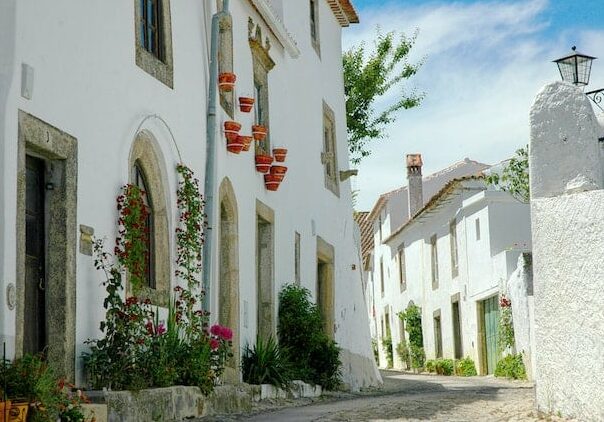 The Algarve offers a diverse range of places to live, each with its own charm and lifestyle. The area is divided into different zones: western, central, and eastern regions.