Home » Living » Why Retire in Porto: The Ultimate Guide for Expats in 2026
Updated: July 30, 2026
Retiring in Portugal is a dream for many foreigners who prefer coastal living, a sunny climate, and an affordable lifestyle. Porto has a bit of everything: World-famous Port wine, stunning views of the Douro River, large golden beaches on the Atlantic Ocean, and historic sites across the Ribeira District.
With its relaxed riverfront atmosphere, welcoming culture, and high-quality care, many expats choose to retire in Porto. Retirees are drawn to the rich cultural heritage and the cheaper cost of living than in Lisbon, Portugal’s capital.
In this article, we provide a detailed guide to the pros and cons of retiring in Porto, Portugal, as a foreigner, along with the various visa options available.
Porto is a top retirement destination because of its proximity to the beautiful Douro Valley, sandy Atlantic beaches, and a more affordable lifestyle than other major cities in Western Europe.
The total cost of living in Porto is 13.5 percent lower than in Lisbon, including rent.
The best visa route for retiring in Portugal is the D7 (Passive Income Visa), which requires a stable passive income of at least €920 and €11,040 in savings in a local bank account for a single applicant.
A retired couple can live comfortably in Porto on a €1,500–€2,200 ($1,620–$2,380) monthly budget, excluding rent.
Porto has an oceanic climate with rainy winters and warm and dry summers, with average annual temperatures of 20–25°C (68–77°F) and more rainfall than in Lisbon.
São Bento train station connects Porto to other cities in Portugal, such as Braga, Aveiro, and Lisbon.
Porto's international airport (Francisco Sá Carneiro Airport) offers direct flights to many European capitals as well as several major cities in North America and Africa.
Why retire in Porto?
Retirement in Porto offers a mix of old-world charm with modern city life. As the second largest city in Portugal, Porto is renowned for its centuries-old wine cellars, cobbled streets, azulejo tile-covered buildings, and baroque architecture.
Here are some of the main reasons expats choose to retire in Porto, Portugal.
Affordable living: The cost of living in Porto is relatively low compared to other European cities, including Lisbon. Everyday expenses, such as groceries, dining out, and public transportation, are reasonably priced, and the housing market is relatively affordable compared to other Western European cities.
Pleasant climate: Although not as renowned for its climate as southern Portugal, Porto enjoys a mild climate with warm summers and mild winters, offering a comfortable environment year-round, where it is possible to stay active throughout the year.
Healthcare: Porto offers high-quality healthcare services that are accessible and affordable for retirees. The public healthcare system offers extensive coverage, while private health services provide additional amenities, such as fast care and lower waiting times.
Portuguese culture: Retirees are moving to a destination where people value connection, tradition, relaxation, and a fulfilling life. The culture focuses on family and creating a supportive social environment that helps newcomers feel welcome.
Strong property market: The Porto real estate market is financially strong and highly desirable. According to Statistics Portugal (INE), the country recorded a 16.3 percent year-on-year increase in house prices and a 42.9 percent increase in the total value of transactions during the first quarter of 2025.
World-class cuisine: Porto is renowned for its exquisite cuisine, featuring fresh seafood, traditional Portuguese dishes, and its world-renowned Port wine. You’ll be able to enjoy fine dining in Michelin-starred restaurants or a hearty meal in a traditional Portuguese tasca (typical restaurant).
Residency Options for Retirees
The Portuguese government offers several residency visas for foreigners and Americans seeking to retire in Portugal, with the D7 Visa and the Golden Visa being the most popular options. Portugal is one of the easiest EU countries to obtain residency.
Please note that the residency options listed below are available to non-EU citizens. If you are an EU citizen, then you will simply need to register at the local town hall within three months of arriving in Portugal. EFTA (European Free Trade Association) countries are treated the same as EU citizens for residency and social security purposes when retiring in Porto.
D7 Visa (Portugal retirement visa)
The Portugal D7 Visa, also known as the Portuguese Retirement Visa or Passive Income Visa, is designed for retirees who can financially support themselves while living in Portugal.
To qualify, applicants must have a passive income of at least €920 ($995) per month from sources such as pension income, retirement savings, real estate, or financial assets. You also need at least €11,040 ($11,920) in savings in a local bank account.
The application process starts at the Portuguese Consulate in the applicant’s home country. After approval, applicants receive a temporary residency permit. They must schedule an appointment with the Portuguese Immigration Agency (AIMA) to obtain a two-year residency permit, renewable for an additional three years.
After five years of having a valid temporary residence permit, retirees can apply for permanent residency. You can also apply for Portuguese citizenship, provided you meet the requirements under Portuguese law, such as passing a Portuguese language test and a criminal background check.
Portugal Golden Visa program
The Portugal Golden Visa is an investment-based residency program that is a popular route for non-EU retirees who want the flexibility of a European residency permit without the high physical stay requirement of other visas (like the D7).
You are eligible when you are 18 years or older, provided you meet the financial and legal criteria. The program requires a qualifying investment, and applicants must meet the personal legal requirements.
The qualifying investments are:
€500,000 in investment funds, like a private equity or venture capital fund
€250,000 in cultural heritage or arts
€500,000 in scientific research
€500,000 in business creation with at least five permanent jobs kept for three years
The popular real estate investment route was abolished in October 2023.
Check out our ultimate guide to buying property in Porto
To retire in Porto from the USA or any other country outside the EU/EEA/Switzerland, you need a visa. You can obtain a residency status in Portugal through one of its many visa programs, such as the D7 (Retirement or Passive Income Visa) or the Portugal Golden Visa.
While EU citizens don’t need a visa, they must obtain a Certificate of Registration at the local city council (Câmara Municipal) if they plan to stay longer than 90 days.
Here is a step-by-step on how to retire in Porto as a foreigner:
Step 1: Receive a Portuguese NIF number
NIF in Portugal, also known as Número de Identificação Fiscal, is a nine-digit tax identification number you use for every financial transaction, like applying for loans and credit, buying or renting property, paying for utilities, and tax purposes.
You obtain your NIF directly at a Finanças (tax office), or you can hire a legal representative (lawyer or service provider) in Portugal to get it remotely on your behalf.
Step 2: Open a local bank account
You need a Portuguese bank account to support yourself financially and receive your pension. The D7 Visa requires that you have funds deposited into your bank account. To choose the best bank or understand the various services, read our article on banking in Portugal.
Step 3: Secure your accommodation
You must prove to the Portuguese government that you have a place to live in Porto before you apply for a visa. If you don’t know which type of property suits your long-term goals, check our article on Porto real estate investment.
Step 4: Apply for a visa
Collect all the necessary documents to meet the requirements. Non-EU nationals, such as American retirees and British citizens, can schedule an appointment at the Portuguese Consulate or a VFS Global center in their respective jurisdiction.
Step 5: Receive your legal residence card
After a second appointment, this time with AIMA (Agency for Integration, Migration, and Asylum), you will receive your temporary Residence Permit Card (Autorização de Residência) at your Porto address. This card is typically valid for two years and can be used to register for healthcare and file taxes. You can apply for permanent residency after five years of receiving your permit.
Cost of Living in Porto for Retirees
The cost of living in Porto for retirees varies based on location and spending habits. Overall, for a comfortable lifestyle, a couple spends about €1,500–€2,200 ($1,620–$2,380) on monthly expenses, without including rent.
Porto’s cost of living is more affordable than in major cities in other Western European countries. Living in Porto is also cheaper than retiring in Lisbon, although some rural locations in the Lisbon Metropolitan Area can be cheaper.
Here’s an average monthly budget for a retired couple in Porto (2026 estimates):
Category
Budget
Comfortable
Luxury
Housing
€800 – €1,100 (for a one-bedroom flat)
€1,200 – €1,700 (for a two-bedroom apartment)
€2,000 – €3,500+ (for a three-bedroom apartment in Foz do Douro)
Food and groceries
€300 – €450 (for shopping at local Pingo Doce, and eating daily menus at tascas)
€500 – €800 (for shopping at Bolhão Market and regularly dining out)
€900 – €1,500 (for shopping at gourmet markets and dining out at Michelin-starred restaurants)
Entertainment
€100 – €200 (focusing more on free museum days, local festivals, and riverfront walks)
€250 – €500 (for cinemas, Port lodge tastings, and day trips across the Douro River)
€600 – €1,200 (for cruises across the Douro Valley, weekend getaways)
Transportation
€80 (for two monthly tickets with public transport)
€100 – €200 (for two monthly tickets with public transport, with occasional taxi rides and Bolt or Uber)
€300 – €800 (for car ownership or car rentals)
Utilities
€120 – €150
€120 – €150
€250 – €400
Healthcare
€0 – €40 (for public health center visits only)
€100 – €180 (for private insurance at Hospital CUF Porto – standard coverage)
€200 – €400 (for private insurance with comprehensive coverage)
Daily expenses: utilities and groceries
The cost of food in Porto is relatively affordable compared to major Western European cities, making it easier to retire in Porto without stretching your budget.
You can shop at Portuguese supermarkets, such as Pingo Doce and Continente where prices are on par with the national average. Overall, groceries in Porto are 46.5 percent cheaper than in Washington DC, USA, and 30.8 percent lower than in London, UK.
Here is a sample monthly budget for retirees in Porto, covering basic necessities.
Expense
Average cost
Regular cappuccino
€2.13
Bottled water (0.33 Liter)
€0.67
Regular milk (1 Liter)
€0.97
Fresh white loaf of bread (500 g)
€1.37
Local cheese (1 kg)
€11.20
Apples (1 kg)
€1.93
Bananas (1 kg)
€1.26
Mid-range bottle of wine
€5.00
Source: Numbeo
Dining out
Dining out in Porto is quite affordable for retirees. A meal at an inexpensive restaurant typically costs around €11.50 ($12.40), and a fast-food combo, such as McDonald’s, costs about €8 ($8.65). For drinks, a 0.5-liter draft beer usually costs €3 ($3.25), while a bottle of mid-range wine can set you back €5 ($5.40).
Many retirees prefer neighborhood tascas and cafés in areas like Cedofeita, Boavista, and Bonfim. A meal for two at a mid-range restaurant for three courses can cost €50 ($54). Popular choices include cozy, family-run places serving traditional dishes, as well as seafood restaurants in Matosinhos.
Retirees who prefer fine dining often spend time by the riverside Ribeira or Foz do Douro. If you want to check out one of the Michelin-starred restaurants in Porto or other fine dining options, then you can expect to pay international prices.
Public transportation and driving a car
Retirees in Porto who use local public transport spend about €40 ($43.20) for a regular monthly pass or €1.55 ($1.67) for a one-way ticket. The city and its surrounding areas offer access to taxis, Uber, metro, and bus systems, allowing you to reach Lisbon quickly, with an average travel time of around 3.5 hours.
If you drive by car, gasoline costs about €1.73 ($1.87) per liter, but prices are often subject to change and can vary based on the vehicle you use. For international travelers, Porto Airport makes it easy to get around in Europe and beyond, with regular flights to the USA.
The charming city of Braga lies to the north of Porto and is easily reachable by train. The cost of living in Braga is lower than in Porto, and it could also prove to be a peaceful city in which to retire.
Senior discounts in Porto
There are different senior discounts for retirees in Porto:
Public transport: Residents 65 years or older can get major discounts through the Andante 3ª Idade (Senior) pass. For those on a low income, the Andante Social+ program provides a 25 percent to 50 percent discount on monthly passes. To qualify for the Social+ discount in 2025, a retiree’s gross monthly income must be less than or equal to €627 (1.2 times the Social Support Index). All other seniors qualify for the standard Senior pass, which offers a 25 percent discount on the regular price of Municipal or 3-Zone Andante passes. To ride for free, a senior often needs to be a War Veteran or a resident of specific municipalities (like Porto) that offer local free transit programs for their elderly population.
National railway: Portuguese residents and non-residents 65 and over get a 50 percent discount on long-distance trains (Alfa Pendular and Intercidades) within the country.
Local attractions: Discounts of 30 to 50 percent of the standard entry price are common for seniors at museums, monuments, and cultural attractions, like Sandeman’s Port wine cellar.
Accommodation: Luxury hotels in historic buildings often provide a “Golden Age” rate with up to 10 to 15 percent off for guests 55 and over.
Housing in Porto for Retirees
Retiring in Portugal comes with affordable real estate purchases compared to other Western European countries. Here are the average expenses for housing based on latest trends in Porto real estate.
Buying property in Porto
The average house prices in the Porto Metropolitan area stand at €4,052 ($4,376) per square meter, and €4,895 ($5,287) in Porto city. Keep in mind that these are median asking prices, which vary by property type and location.
If you prefer a long-term commitment, buying property in Porto can be an excellent choice. Recent data indicate an increase in the supply of houses in Portugal, particularly in Porto and Lisbon, which means homebuyers can choose between different property values.
When buying property in Portugal, you will need to obtain a Portuguese NIF (Tax Identification Number), which is required for any major transactions in the country. Additionally, we highly recommend opening a Portuguese bank account to save on transaction fees.
Renting property in Porto
For retirees, apartments for rent in Porto, Portugal, provide an affordable lifestyle. Rental properties are more affordable farther from central districts, coastal areas, and riverside promenades.
According to Numbeo, the average rental prices in Porto include:
One-bedroom apartment (T1) in the city center: €1,100 ($1,188)
One-bedroom apartment (T1) outside the city center: €810 ($875)
Three-bedroom apartment (T3) in the city center: €1,900 ($2,052)
Three-bedroom apartment (T3) outside the city center: €1,400 ($1,512)
Important Considerations of Living in Porto for Retirees
Expat retirement in Porto revolves around a relaxed coastal lifestyle, quality healthcare, a favorable climate, and the riverside promenade. Here are a couple of factors to consider before moving to Portugal.
Healthcare for retirees in Porto
Healthcare in Porto for residents is free with minimal out-of-pocket costs through Portugal’s public health services (Serviço Nacional de Saúde or SNS).
According to Numbeo’s Health Care Index, Portugal ranks as having the 14th-best healthcare system in Europe, with higher-quality services than Germany, Italy, or Greece.
As a retiree, you must first register with the local Health Center (Centro de Saúde), where you will be assigned a family doctor, who will then handle referrals.
The major public hospitals in Porto are:
Hospital de Santo António,
Hospital de São João
Instituto Português de Oncologia do Porto (IPO Porto)
Centro Materno Infantil do Norte
Private healthcare for retirees is significantly cheaper than in the United States. For example, standard private healthcare costs average $60–$100 (€55–€90) for a single person, while comprehensive coverage for retirees can vary from €110–€230 ($120–$250) per month.
The most renowned private healthcare centers in Porto are:
Here are the different factors you should know about taxes in Portugal:
Expats pay taxes after they become tax residents.
When retiring in Portugal, you don’t automatically become a tax resident just by owning property there. Tax residency starts when you spend more than 183 days in Portugal within 12 months, or if you establish a habitual residence.
Residents are taxed on their worldwide income at progressive rates unless a double taxation treaty (DTT) dictates otherwise.
The country doesn’t have an inheritance tax on real properties.
The popular NHR regime is closed to new applicants, though existing beneficiaries keep the benefits for their 10-year term. The tax regime was replaced with the IFICI (NHR 2.0).
If a retiree leaves Portuguese assets (like a property or bank account) to a spouse, child, or parent, there is no tax on stamp duty (Imposto do Selo).
Note: Always consult with a tax advisor or a financial planner when navigating the tax system, as rates differ across mainland Portugal and autonomous regions like Madeira and Azores.
Transferring pensions to Porto: Key points
Here is all you need to know when transferring your pension to Porto:
If you are an EU citizen, it is easy to transfer your past social security contributions from other EU countries. These years count toward your Portuguese public pension.
If you are from a non-EU country, you should check if Portugal has a specific tax or pension agreement with your home country. This will determine whether your years of contributions can be counted.
The retirement age in Portugal (as of 2025) is 66 years and 7 months for both men and women.
Private pension plans are widely available and are often used to boost your income alongside the state pension.
If you live and pay taxes in Portugal, your foreign pension will likely be subject to Portuguese taxation. Whether and how much you pay depends on the tax double taxation agreements Portugal has with your home country.
Lifestyle & culture
Lifestyle in Porto is laid-back thanks to its favorable climate, beautiful coastline, rocky headlands, and stunning riverside promenade. Many retirees like to spend their time swimming or sunbathing along the stunning Atlantic Coast and the Foz do Douro.
There are several picturesque beaches across the entire Porto Metropolitan Area. Matosinhos Beach (Praia de Matosinhos) is the largest and most popular beach near Porto, famous for its golden sands and surf waves. Within Porto city limits, a small beach stands out for its rocky views, Praia do Homem do Leme.
For retirees who prefer a traditional resort-town vibe, the beach at Vila do Conde can be a great choice, while the Espinho resort town offers a livelier and more energetic atmosphere.
Activities
So, is Porto a good place to retire? For retirees who want a favorable climate, many outdoor activities, local festivals, and a traditional Portuguese culture, then retiring in Porto can be a worthwhile long-term commitment.
There are many things to do in Porto for retirees. Porto comes alive in summer with the Festa de São João (Festival of Saint John), the city’s biggest and oldest festival, held on 23 June. You can enjoy playful hammer-tapping, garlic-flower rituals, grilled sardines, and street dancing. At midnight, fireworks light up the sky over the Douro River, and celebrations continue until morning.
For everyday life, retiring in Porto offers beautiful green spaces such as Parque da Cidade (Portugal’s largest urban park with lakes and walking trails) and the Jardins do Palácio de Cristal (famous for the panoramic views over the Douro). These parks support an active, outdoor lifestyle.
Retirees in Porto also like to golf, mainly at nearby courses such as Estela Golf Club, which offers Atlantic views and modern layouts, and Oporto Golf Club, known for its more traditional playing experience.
Expat community & language
Expat retirement in Portugal can feel very comfortable, especially for retirees in Porto. As the second-largest city, Porto has a population of over 237,500, and the wider metro area has over 1.3 million, according to the World Population Review.
Porto has one of the largest expat communities in Portugal, mainly in Foz do Douro, Cedofeita, and Bonfim. While learning some Portuguese can be convenient to get by and manage documents with Portuguese authorities, English is widely spoken in Porto, so you should find it easy to settle.
If you are planning to pursue residency in Portugal and live in an area with a large community, consider exploring the popular retirement communities in Portugal.
Climate in Porto
When you retire in Portugal, you can expect Porto to be one of the wetter major cities in Europe. The warm season lasts from 19 June to 24 September, with average daily temperatures of 22°C (71.6°F). August is the hottest month, with temperatures ranging from as high as 23.9°C (75°F) to as low as 15°C (59°F).
Winter days are cool from 22 November to 6 March, with average temperatures below 15.6°C (60.1°F). January is the coldest month when temperatures can drop below 6.1°C (43°F). If you have respiratory complications or joint problems, you should consider the damp winter and adequate insulation in your building to keep you warm.
Best Places to Live for Retirees in Porto
Many top neighborhoods in Porto can catch your eye if you choose to visit. Below, we outline some of the best neighborhoods in Porto for expats and retirees, which can be stunning places to enjoy your golden years.
Foz do Douro
This upscale district in Porto is renowned not only for its stunning beaches, such as Praia da Luz, but also for its remarkable architecture and top-notch restaurants, which offer both traditional and international cuisine.
If you are looking to retire in Porto, here you’ll find many properties with stunning views of the Atlantic Ocean, where you will be able to enjoy your weekend stroll along the wide promenade. Foz do Douro also has all the amenities that you could want, and as you are just a short ride from the center of Porto, you can enjoy the very best of the city and the sea. A dream location for many.
Ribeira
For those seeking to reside in a historic neighborhood with UNESCO World Heritage status in the heart of the city, Ribeira is the ideal choice. Nestled by the Douro River, its charming cobblestone streets, vibrant houses, and bustling cultural and culinary scene make it a favorite among locals and expats alike. You’ll also be able to enjoy the bright lights of the Porto wine houses on the opposite side of the river.
Boavista
Boavista is known for its vibrant restaurants and rooftop bars, as well as Porto’s longest avenue, Avenida da Boavista. In this less touristy area, abundant with green spaces, you’ll also discover botanical gardens and a concert hall, providing the perfect spot for retirees looking to soak up the city’s culture and relax in one of the charming gardens.
Vila Nova de Gaia
Many expats who retire in Porto are also drawn to Vila Nova de Gaia because of its more affordable prices than Porto city. Vila Nova de Gaia is on the opposite side of the River Douro to Porto, home to the Port wine houses, incredible restaurants, and all the amenities that you could ask for. The area also has beautiful sandy beaches, such as Praia de Canidelo and Praia de Miramar. They offer a more relaxed lifestyle than the central coastline, which adds more to its appeal for anyone relocating to Vila Nova de Gaia.
Matosinhos
Matosinhos, a city a short journey northwest of Porto, is an ideal choice for retirees moving to this part of Portugal due to its beautiful beaches, such as Praia de Matosinhos, known for its golden sands and clean waters. The city offers a relaxed atmosphere with excellent seafood restaurants, such as Mercado Municipal de Matosinhos. Its well-developed public transport provides easy access to Porto’s vibrant cultural scene. Affordable living, good healthcare, and a welcoming community, along with lovely parks and promenades, make it a perfect retirement destination for many.
Pros and Cons of Retiring in Porto
Still wondering “Is Porto, Portugal, a good place to retire?” Life here can come with advantages and disadvantages. The table below can help you make an informed decision.
Pros
Cons
Affordable cost of living compared to most Western European cities and the United States.
Rainy winters that can be challenging for seniors with mobility issues
Excellent healthcare system with universal coverage and low-out of pocket costs
Slow bureaucracy that can prolong paperwork and applications
Mild climate with warm summers and cool winters
Language barriers as many inland areas and legal paperwork require basic Portuguese
Walkable city with good public transport (metro, buses, and trams)
Cold ocean water during the entire year, even in summer
Safe environment with a relaxed pace of life
Crowded around major tourist areas, which can get very noisy
Beautiful views near beaches, riverfronts, and national parks
Hilly streets that could be difficult for retirees with health complications
Goldcrest: How We Can Help You
Goldcrest is the first buyer’s agent in Portugal, based in Lisbon, Porto, and the Algarve. We provide local insights and impartial advice on real estate investments and have helped hundreds of expats secure their dream home in Portugal. From scouting out the perfect property through to property acquisition and aftercare, we guide you throughout the entire process.
If you are interested in retiring to Porto and are on the hunt for your dream property, don’t hesitate to get in touch.
Frequently Asked Questions about Retiring to Porto
Is Porto, Portugal a good place to retire?
Yes, Porto is an excellent place to retire, often ranking highly on various international retirement indexes due to its high quality of life, safety, and relatively low cost of living.
Can I retire in Portugal as a US citizen?
Yes, to retire in Porto from USA, you will need a long-stay residency visa, like the D7 Visa or the Portugal Golden Visa. Approval grants residency and access to Portugal’s healthcare system.
Is Porto a good place to retire for Americans?
Yes, Porto is a favorable location for American retirees, as the cost of living is significantly lower than in the United States, but it also offers notable advantages, such as quality healthcare, coastal living, and excellent safety standards.
How much does it cost to retire in Porto?
The cost of retiring in Porto is highly dependent on your lifestyle and whether you choose to rent or own property. A single retiree needs a budget of at least €700 per month, without including rent, while a couple can need a minimum of €1,200.
How much money do I need to retire comfortably in Porto?
A comfortable monthly budget for a retired couple in Porto is about €1,500 to €2,200, and for a single person varies from €900 to €1,400.
What are the best neighborhoods for retirees in Porto?
The best neighborhoods for retirees in Porto depend on your lifestyle, but many seniors prefer Foz do Douro, Boavista, and Ribeira. These areas offer scenic views, a relaxed atmosphere, proximity to amenities, and good public transportation.
How to obtain a retirement visa for Portugal?
To obtain a retirement visa, known as the D7 Visa for Portugal, you will need to prove that you have sufficient passive income, proof of accommodation, valid private health insurance, and a clean criminal record.
What is the quality of life for retirees in Porto?
The quality of life for retirees in Porto is high, with a low cost of living, excellent healthcare, a pleasant climate, rich culture, and friendly locals, making it an attractive destination for retirees.
How accessible is public transportation for retirees in Porto?
Public transportation in Porto is highly accessible for retirees, with an extensive network of buses, trams, and the metro. Senior citizens benefit from discounted fares, making it an affordable and convenient option.
How safe is Porto for retirees?
Porto is very safe for retirees. According to the 2025 Global Peace Index, Portugal is the seventh safest country in the world, with low crime rates and a welcoming atmosphere.
Can I collect social security if I retire in Porto?
Yes, you can collect your US Social Security benefits while retired in Porto. You can choose payment in Euros to a Portuguese bank account. But, have in mind that your Social Security will be taxed as worldwide income by Portugal at progressive rates, which significantly impacts your net benefit.
Do I pay US taxes after retiring in Porto, Portugal?
Yes, in most cases, you have to file US taxes even after retiring in Porto, but whether you pay US taxes depends on your income and tax situation.
The United States taxes based on citizenship, not where you live. However, you might be able to avoid double taxation through the US-Portugal tax treaty, along with foreign earned income exclusion and foreign tax credits, depending on the type of foreign income.
Related Articles
Where Are Portugal’s Most Expensive Streets for Property Buyers?
We use cookies to ensure that we give you the best experience on our website. Our Terms and Conditions
Functional
Always active
The technical storage or access is strictly necessary for the legitimate purpose of enabling the use of a specific service explicitly requested by the subscriber or user, or for the sole purpose of carrying out the transmission of a communication over an electronic communications network.
Preferences
The technical storage or access is necessary for the legitimate purpose of storing preferences that are not requested by the subscriber or user.
Statistics
The technical storage or access that is used exclusively for statistical purposes.The technical storage or access that is used exclusively for anonymous statistical purposes. Without a subpoena, voluntary compliance on the part of your Internet Service Provider, or additional records from a third party, information stored or retrieved for this purpose alone cannot usually be used to identify you.
Marketing
The technical storage or access is required to create user profiles to send advertising, or to track the user on a website or across several websites for similar marketing purposes.



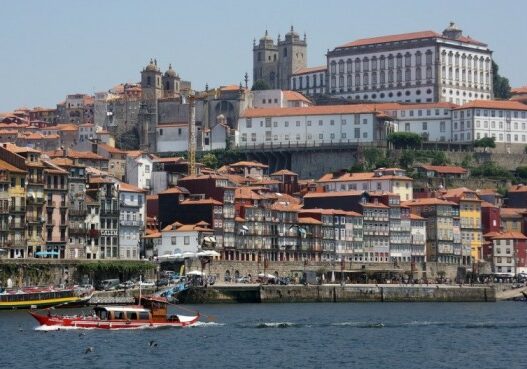 Retirement in Porto offers a mix of old-world charm with modern city life. As the second largest city in Portugal, Porto is renowned for its centuries-old wine cellars, cobbled streets, azulejo tile-covered buildings, and baroque architecture.
 The Portugal Golden Visa is an investment-based residency program that is a popular route for non-EU retirees who want the flexibility of a European residency permit without the high physical stay requirement of other visas (like the D7).








 Healthcare in Porto for residents is free with minimal out-of-pocket costs through Portugal’s public health services (Serviço Nacional de Saúde or SNS).
 Here are the different factors you should know about taxes in Portugal: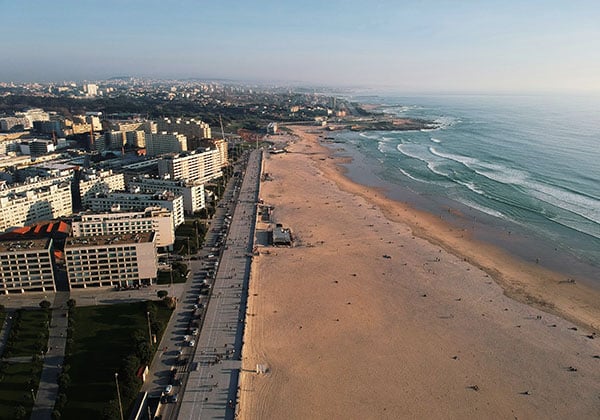

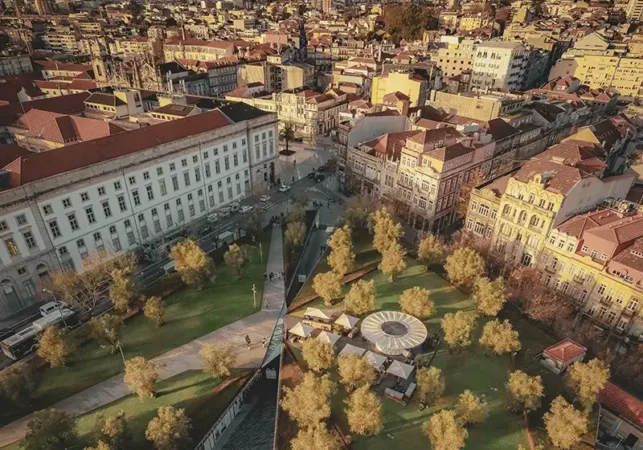 Expat retirement in Portugal can feel very comfortable, especially for retirees in Porto. As the second-largest city, Porto has a population of over 237,500, and the wider metro area has over 1.3 million, according to the World Population Review.