Home » Living » Living in Cascais, Portugal: Cost, Lifestyle, and Best Areas in 2026
Updated: July 30, 2026
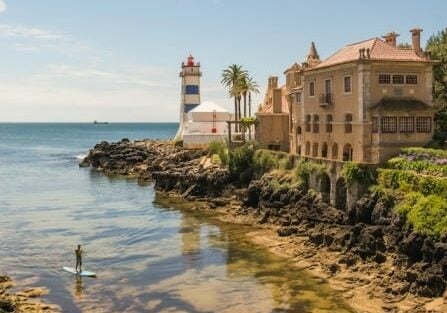
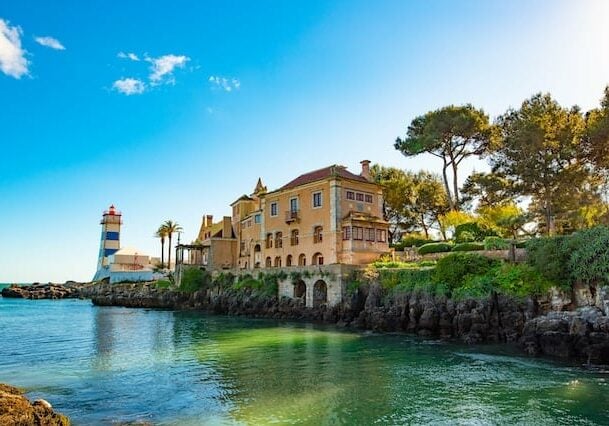
Cascais is a beautiful coastal town along the Portuguese Riviera, 30 km (18.64 mi) west of Lisbon. Located right on the Atlantic Ocean, the area attracts seasonal tourism with its stunning views, rugged coastline, and fairytale palaces.
Living in Cascais, Portugal, means enjoying the coastal beauty, cobblestone streets, world-class golf courses, and a luxury marina. There are golden sandy beaches, a harbor filled with yachts, and large expat communities.
So, what makes Cascais such a good place to live? This is the most exclusive area in Portugal, often called the “Beverly Hills of Lisbon”, and a popular location for wealthy investors, luxury buyers, and celebrities.
In this comprehensive guide, we will cover the best places to live, average property prices, and the pros and cons of living in Cascais, Portugal.
For those seeking a luxury coastal lifestyle with proximity to the capital, living in Cascais, Portugal, can be an excellent choice.
Cascais municipality and the town itself have incredibly clean streets, high-quality public parks, and a level of safety that is among the highest in Europe.
Because of the tourist demand and the high volume of international residents, you can get by almost entirely in English for daily errands, banking, and medical appointments.
Expect to pay a premium for property and rent, especially in the historic center, Birre, or Quinta da Marinha.
Is Cascais a good place to live?
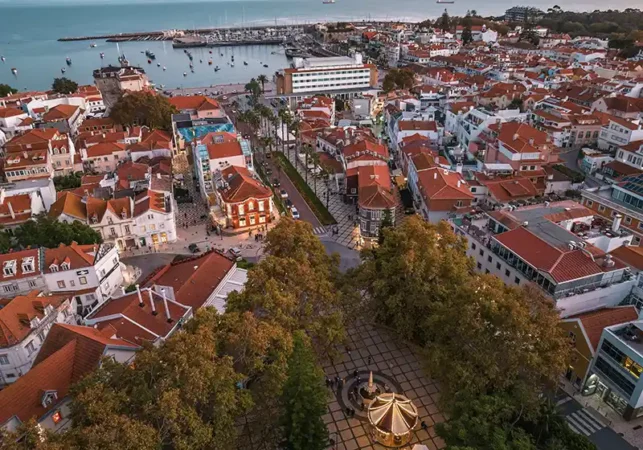
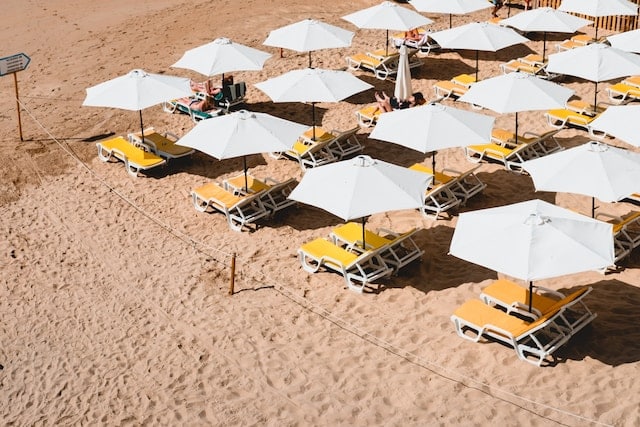
Cascais is a great place to live because of its coastal beauty, cultural attractions, and urban convenience. Located just a 30-minute train ride from Lisbon and the nearby Sintra-Cascais Natural Park, daily life in this luxury town revolves around the golden sandy beaches.
Living in Cascais offers an escape from the humidity and heat of Lisbon. The year-round sunshine and mild winters make it a perfect location to enjoy outdoor activities, such as boating, swimming, yachting, fishing, and sailing.
In fact, many residents and expats are part of the Cascais Yacht Club. You have the beautiful surroundings and promenades (the Paredão) for morning runs and a charming historic center filled with cafes and restaurants.
Cascais makes everyday life very convenient for families with various schooling options and a strong sense of community. There are more than a dozen international schools in Cascais, including Aprendizes, International Preparatory School (IPS Cascais), and St Dominic’s International School.
There are local markets in the area, such as the Rua Mercado, which is open on Wednesdays and Saturdays. You can find clothes, handmade crafts, and fresh seafood at affordable prices. The Portuguese people are very welcoming and often speak English.
If you want to visit Cascais, before you start living in the town, here are a couple of options for you:
Budget visitors:Bright Visconde: A large apartment about a 19-minute walk from the Duchess beach, near D. Luís I Foundation, and 1.1 km (0.6 mi) from the stunning Marechal Carmona Park
Mid-range visitors:Apartment Cascais: Each apartment for rent in Cascais has different features and values
Luxury visitors:Pestana Cidadela Cascais: Located right in the heart of Cascais, this five-star hotel overlooks the Marina and offers luxury accommodations
Pros and Cons of Living in Cascais
Cascais is one of the most stunning and peaceful places in Portugal. But, like anywhere else on the globe, the area comes with a couple of disadvantages. Here is a list of the pros and cons of living in Cascais.
Pros
Coastal lifestyle with beautiful beaches for surfing, outdoor activities for hiking, and a promenade for walking
High quality of life with excellent safety standards
Family-friendly environment with modern infrastructure
Easy access to Lisbon Airport (LIS) by car, train, bus, taxi, or subway
A large and diverse expat community
Affordable private health insurance
Cons
Busy during peak tourist season
Slow bureaucracy
Difficult to find parking
Slightly windier and a few degrees cooler than Lisbon
Retire in Cascais
Living in Cascais as a retiree can feel exclusive and luxurious. This is a premium European coastal destination for retirees due to the town’s mild climate, pristine beaches, and laid-back lifestyle. You can retire in Cascais if you want water sport activities, modern amenities, and authentic Portuguese charm.
Although Cascais sits on the very edge of the Atlantic Ocean, it doesn’t feel quite as stifling as a classic Mediterranean city, like Rome in Italy or Athens in Greece. Summers are warm and partly clear, with an average temperature of 24°C (75°F) and 26°C (79°F) during the peak season. Extreme heatwaves of 40°C (104°F) are very rare compared to inland Portugal.
This is the biggest surprise for most people. Even though the air is warm and the sun is out, the Atlantic water stays quite chilly, even in August. Occasionally, you’ll see morning mist rolling in from the ocean that clears up by midday.
Winters are cool, rainy, and partially cloudy. The average daily high temperature is 17°C (63°F), which is relatively comfortable for seniors. The coldest month in Cascais is January, when temperatures drop below 11°C (51°F).
Cascais boasts a well-connected public transportation system, featuring buses and trams. You can easily travel to Lisbon via the scenic 33-minute train line, which takes about 30 to 40 minutes depending on the time of day.
Healthcare in Cascais, Portugal
For expats living in Cascais, Portugal has a universal healthcare system that provides quality services and facilities based on European standards.
In Cascais, there are two main hospitals: one private and one public. CUF Hospital Cascais (Hospital de Cascais) in Alcabideche serves as the region’s main public hospital. It is the largest hospital in the area and handles full emergency care and more complex medical cases.
CUF Cascais is a private hospital in the CUF network, located in a central, easily accessible area. It handles routine care and consultations, but it does not provide 24-hour emergency services. The SNS (Serviço Nacional de Saúde), Portugal’s public health service, also provides phone and online support. You can use it to speak with nurses or doctors and get medical guidance without visiting a hospital.
Although Portugal’s healthcare system is widely available, many expats living in Cascais choose to purchase private health insurance to reduce the wait times and consult with English-speaking doctors.
How expensive is it to live in Cascais?
Cascais is an expensive place to live in Portugal. However, many expats find the high cost to be worth it because of the beautiful sea views, excellent amenities, world-class golf courses, and exclusive atmosphere.
What used to be a small fishing village has become one of the prime locations for Portugal luxury real estate.
The average property prices in Cascais are €7,260 per square meter. There are plenty of luxury properties to choose from, including waterfront homes, villas, modern apartments, and detached houses.
If you’re interested in investing in Cascais real estate, a buyer’s agent, like Goldcrest, can research the property market and negotiate the best prices based on your budget. We can also introduce you to local contractors, lawyers, and tax advisors. If you are not yet looking to purchase a property, you will also find many apartments to rent in Cascias, Portugal.
Wondering “How much does it cost to live in Cascais, Portugal?” Since this is a desirable and relatively premium location, a single person spends about €1,500–€2,000 per month, while a family of four needs €3,500–€5,000 per month (without rent).
The monthly rental prices would be your largest expense, considering a one-bedroom apartment costs €1,015 outside central areas, or €1,565 in the town center. For a three-bedroom apartment, you can expect to spend €3,442 in the central parts or €2,297 outside central locations.
The table below covers the typical costs of living in Cascais, Portugal.
Expenses
Average monthly cost (single person)
Rent (one-bedroom apartment)
€1,015 – €1,565
Utilities (electricity, water, heating, garbage)
€120 – €150
Internet and mobile
€50 – €60
Groceries
€250 – €350
Dining out (three times per week, inexpensive restaurants)
What do expats in Cascais appreciate most about the local culture?
Many expats in Cascais appreciate the friendly Portuguese people, laid-back coastal atmosphere, and stunning natural landscape. From the beautiful sandy beaches to the lush forests and rugged cliffs, Cascais draws expats with its rich cultural scene, many festivals, galleries, and local museums.
So, is Cascais a good place to live for expats? Living in Portugal as an expat has become the choice of many foreigners and wealthy families. Cascais has world-class golf courses, warm weather, delicious traditional Portuguese dishes, and local wines.
It’s also a wonderful place to raise a family, close to nature, with widespread access to natural parks and beaches that aren’t isolated from urban cities. If you prefer outdoor adventures away from urban cities, check out our article on national parks in Portugal.
In addition, living in Cascais means living in a well-developed European town that is safe and offers quality education and healthcare. It gives you a life of sophistication and luxury while still enjoying Portuguese culture.
There are many expat networks, clubs, and professional hubs that connect people in Cascais with expats around the world, with social groups such as:
Wondering what are the best places to live in Cascais? The best neighborhoods vary based on your preference and budget, from the busy downtown Cascais ideal for young expats and digital nomads, to the beautiful sea views across Quinta da Marinha for luxury buyers – Cascais has something for everyone.
Here are the top locations for living in Cascais municipality:
Cascais historic center
The old town (Centro Histórico) is a charming part of Cascais with historic buildings, cobblestone streets, several sandy beaches, and beautiful squares. Much of it is pedestrian-friendly with sidewalks paved in wavy calçadas, which is a traditional mosaic paving.
Life in central Cascais can feel very busy, especially in the summer months, with packed restaurants, local markets, and shops. The average property for sale in central Cascais costs €8,559 per square meter.
Quinta da Marinha
Quinta da Marinha is one of Portugal’s most exclusive, affluent residential neighborhoods and resort areas. Located along the Portuguese Riviera, right within the Sintra-Cascais Natural Park, it boasts a luxury lifestyle and premium property prices.
In this part, living in Cascais, Portugal, as a foreigner means having access to a world-class golf course (Oitavos Dunes), resort-style spas, and an equestrian center. The area has fine-dining seafood restaurants, design stores, and galleries.
It is the best place to live for those who want access to the Cascais train station and picturesque beaches, like Praia da Rainha. It is the ideal location for high-net-worth individuals seeking complete privacy.
Even celebrities like Cristiano Ronaldo are planning to have a home here. You can read more about this football star in our article about Ronaldo’s house in Portugal. Property for sale in Quinta da Marinha can cost €8,559 per square meter.
Guincho
The Guincho area is a breathtaking, rugged coastal destination located in the Sintra-Cascais Natural Park, just 35 kilometers west of Lisbon. Famous for its sweeping sand dunes and large Atlantic waves at Guincho beach (Praia do Guincho), it is a great choice for outdoor enthusiasts who enjoy surfing, kitesurfing, windsurfing, and hiking.
The area offers a peaceful and residential atmosphere for nature lovers, families, and digital nomads. The average property for sale in Guincho costs €8,559 per square meter.
Bairro do Rosário
Bairro do Rosário is a highly residential and peaceful place to live. The area is filled with flat streets perfect for walking dogs or strollers. It has a great “village” feel with local bakeries and pharmacies. <
It is the perfect spot for long-term expats and families who prefer to be near international schools, parks, community facilities, and the seafront promenade (Paredão Cascais-Estoril). The typical property for sale in Bairro do Rosário can cost €8,559 per square meter.
Fontainhas
Located further inland, Fontainhas offers a more authentic Portuguese lifestyle. This residential neighborhood offers traditional houses, local artisan shops, and eateries.
Since it is located in the Cascais and Estoril parish of Cascais, Portugal, housing prices here are more on the higher end. The median property for sale in Fontainhas costs €8,559 per square meter.
Birre
Birre is a quiet, upscale suburbia, and an up-and-coming area east of central Cascais that provides a peaceful atmosphere. The area attracts families, expats, and young professionals with newer housing developments, luxury properties, and modern villas with private pools and beautiful gardens.
The average property for sale in Birre can cost €8,559 per square meter. These properties are popular among families who want more space while staying close to the A5 highway to Lisbon.
Estoril
This exclusive resort town attracts luxury buyers, wealthy families, and expats who want to live in one of Portugal’s most touristy and cosmopolitan areas.
Estoril and Monte Estoril are famous for their grand hotels, sandy beaches, and Casino Estoril (one of Europe’s largest casinos). Praia do Tamariz is the most popular beach in Estoril, with calm waters, excellent dining restaurants, and a seaside promenade.
Estoril, Portugal, real estate is highly sought after for its historic European glamour, majestic villas, and ornate mansions. The average property for sale in Estoril costs €8,559 per square meter.
Carcavelos and Parede
Youthful, active, and coastal. Carcavelos has a “California” feel due to its massive surf beach and the Nova SBE university campus. Parede is more traditional, known for its healthy “iodine-rich” air, local fish market, and friendly locals. They are popular locations among remote workers, students, and Lisbon commuters.
The median property for sale in Carcavelos and Parede can cost €7,177 per square meter.
Still don’t know where to live in Cascais? Other top locations to purchase real estate in the Cascais municipality include Areia, Alcabideche, and Bicuda. They are residential neighborhoods that offer more space and a slower pace of life than Lisbon.
Is Cascais safe?
Yes, living in Cascais, Portugal, is extremely safe. In fact, it is one of the safest municipalities in the country with low crime rates. The town itself is also a very secure residential area where women, children, and tourists feel comfortable walking alone at night.
According to the 2025 Global Peace Index, Portugal ranks 7th globally for its superior security. Cascais is very well maintained with great sidewalks and well-lit areas.
Can I move to Cascais?
Yes, you can move to Cascais, Portugal, but it requires careful planning. Your residency and visa options depend on your country of residence.
For example, if you are a citizen from an EU/EEA/Swiss country and want to live in Portugal for over three months, you don’t need a visa. You can register for a residence certificate (Certificado de Registo de Cidadão da União Europeia or CRUE) at the local town hall. The application costs €16 for adults and €7.50 for children under 6 years old.
However, living in Cascais, Portugal, as an American or any citizen outside the EU and EEA, the immigration process is different. You must apply for one of its long-term visas for stays longer than 90 days, some of which are:
Portugal D7 Visa (Retirement Visa or Passive Income Visa): This option is for retirees and passive income earners with at least €920 per month from pensions, transferable equity, intellectual property, real estate, or other qualifying sources.
Portugal Digital Nomad Visa (D8): This option is for remote workers, online entrepreneurs, and freelancers with minimum monthly earnings of €3,680 from sources outside Portugal and €11,040 in savings.
Portugal Golden Visa: This option is for investors seeking residency by investment through one of the country’s qualifying Golden Visa pathways, such as fund subscription or scientific research (€500,000), art donation or cultural heritage reconstruction (€250,000), share capital with job creation (€500,000), or creating 10 full-time jobs.
Whether you’re moving alone or with a family, Cascais has a charm that is difficult to ignore. For more details on the different visa options available to you, check our ultimate guide to Portugal Immigration.
Will I need to learn Portuguese?
In Cascais, you can get around without Portuguese, as many young locals speak English fluently, especially in popular tourist destinations, shopping centers, restaurants, pubs, and clubs.
Cascais also has large expat communities that speak Spanish and French, making it very easy for expats living in Cascais to integrate and feel at home. However, if you want to move further inland to smaller towns away from the coast or communicate regularly with the Portuguese bureaucracy, it is highly beneficial to learn at least basic Portuguese.
Living in Cascais and Working in Lisbon
Commuting from Cascais to Lisbon is one of the most popular lifestyle choices in Portugal. It allows you to work in a major European capital while enjoying a resort-style seaside town.
There is a dedicated direct coastal train that connects Cascais Station to Cais do Sodré (Lisbon’s central hub for the metro and ferries). The trip takes about 30 to 40 minutes. Trains run roughly every 20 minutes during the day and every 30 minutes late at night. During morning and evening rush hours, trains run every 12 to 15 minutes.
Driving from Cascais to Lisbon offers flexibility. You can take the A5 motorway, which is the fastest route. But it can get very congested during rush hour. For those who prefer a beautiful coastal drive with no tolls, but a slower ride, the Avenida Marginal (N6) can be an excellent choice. However, with fuel, tolls, and high parking fees in Lisbon, driving is much more expensive than taking the train.
Whether it’s better to be living in Lisbon or Cascais depends on your personal preferences. Both locations offer something different in terms of the pace of life and living costs. Check our article on the cost of living in Lisbon for more information.
Things to Do in Cascais
Life in Cascais revolves around the beaches, downtown center, natural park, and nearby areas. The town is small enough to explore on foot, but it’s full of things to keep you entertained.
There are plenty of markets and high-end restaurants to experience the ultimate Cascais, Portugal lifestyle. Here are the top things you should see:
Boca do Inferno is a dramatic cliff formation with strong waves and powerful ocean currents. It is a great place for sightseeing, photography, and walking.
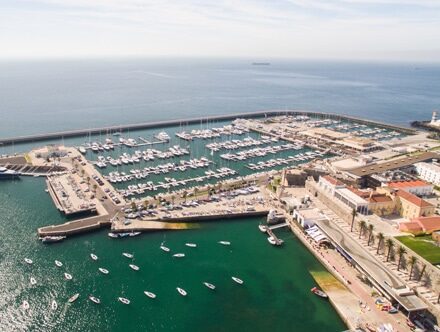
Cascais Marina is the largest yacht harbor on the Riviera, distinguished by its sleek, sophisticated atmosphere. It features high-end boutiques and waterfront restaurants with prime views. Visit on a weekday afternoon for a relaxed stroll or a sunset cocktail without the weekend crowds.
Praia da Rainha is one of the best beaches in Portugal, tucked between cliffs in the town center. Once the private retreat of Queen Amélia, its crystal-clear, calm waters are perfect for a quick swim. Arrive early in the morning to claim a spot before the summer rush.
Mercado da Vila is one of the best produce markets in the country. Here, locals and tourists enjoy fresh ingredients, cultural events, and luxury dining. The most popular festivals and fairs are the Cascais Wine Market, Beer Fest, and the Madeiran Festival.
Cascais Promenade is a 3km scenic area that connects Cascais to Estoril, offering a flat, sun-drenched path above the sea walls. It features several ocean-side cafes and saltwater pools. Many prefer to visit the area during the early morning to join locals for a jog or walk.
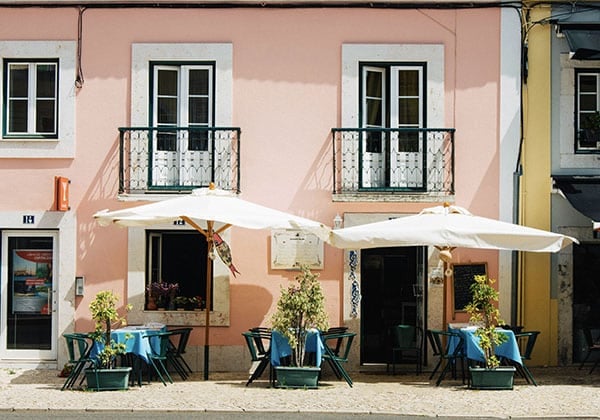
Old Town is the historic heart of Cascais. It stands out for its Calçada Portuguesa (the iconic black-and-white limestone mosaic pavements), the pink houses, and the purple bougainvillea. It feels like a living postcard.
The Cascais Cultural Center hosts various exhibitions, galleries, dance shows, theater, and more. The building that houses this center is the historic Condes de Castro Guimarães Palace.
Parque Marechal Carmona (Parque Palmela) is around 49 acres of land full of polished gardens and green spaces. It is the most famous playground for children where you spend time with small animals such as chickens, rabbits, geese, ducks, and different bird species.
Goldcrest is a buyer’s agent situated in Portugal. We can research the property market on your behalf, find the best places to get your dream home, and negotiate prices. We also offer rental services for long-term rentals.
Contact us today if you need help with your Portuguese property. We can connect you to a team of experts, such as tax advisors, real estate lawyers, and local contractors. With our help, you can make a smart investment.
Frequently Asked Questions about Living in Cascais, Portugal
Is Cascais a good place for families with children?
Yes, Cascais is a great place to raise a family because it offers a rare balance of safety, high-quality international education, and an active outdoor lifestyle.
What is it like living in Cascais as a foreigner?
For many foreigners, life in Cascais can feel effortlessly high-quality. It is a sophisticated area with a large expat community, making it easy to build a social circle.
How many Americans live in Cascais?
Based on the 2024 reports from AIMA (Portuguese Agency for Integration, Migration and Asylum), there are 56,185 foreign residents living in Cascais. Approximately 1,400 to 1,800 are Americans. However, this is just a rough estimate.
Where to live in Cascais as a retiree?
Many retirees prefer to live in Cascais’s historic center, Monte Estoril, Quinta da Marinha, and Bairro do Rosário. The location you choose depends on your lifestyle, budget, and long-term goals.
What is the best place to live in Cascais as a digital nomad?
If you want the classic digital nomad experience with many co-working spaces and large expat communities, look for a flat in the historic center or Monte Estoril. If you want more space for your money, Bairro do Rosário or Parede are better strategic choices.
Is living in Cascais better than living in the Algarve?
Both places cater to different lifestyles. Living in Algarve is better for those seeking a laid-back vibe, while settling in Cascais can be a great choice for a sophisticated coastal lifestyle.
Can I find jobs in Cascais as an expat?
There are many job opportunities in Cascais for expats, although most focus on the service sector, tourism, and hospitality, while corporate roles are more common in Lisbon.
We use cookies to ensure that we give you the best experience on our website. Our Terms and Conditions
Functional
Always active
The technical storage or access is strictly necessary for the legitimate purpose of enabling the use of a specific service explicitly requested by the subscriber or user, or for the sole purpose of carrying out the transmission of a communication over an electronic communications network.
Preferences
The technical storage or access is necessary for the legitimate purpose of storing preferences that are not requested by the subscriber or user.
Statistics
The technical storage or access that is used exclusively for statistical purposes.The technical storage or access that is used exclusively for anonymous statistical purposes. Without a subpoena, voluntary compliance on the part of your Internet Service Provider, or additional records from a third party, information stored or retrieved for this purpose alone cannot usually be used to identify you.
Marketing
The technical storage or access is required to create user profiles to send advertising, or to track the user on a website or across several websites for similar marketing purposes.



 Cascais is a great place to live because of its coastal beauty, cultural attractions, and urban convenience. Located just a 30-minute train ride from Lisbon and the nearby Sintra-Cascais Natural Park, daily life in this luxury town revolves around the golden sandy beaches.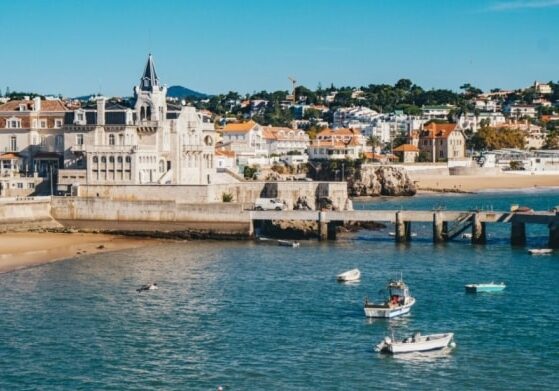




 Commuting from Cascais to Lisbon is one of the most popular lifestyle choices in Portugal. It allows you to work in a major European capital while enjoying a resort-style seaside town.